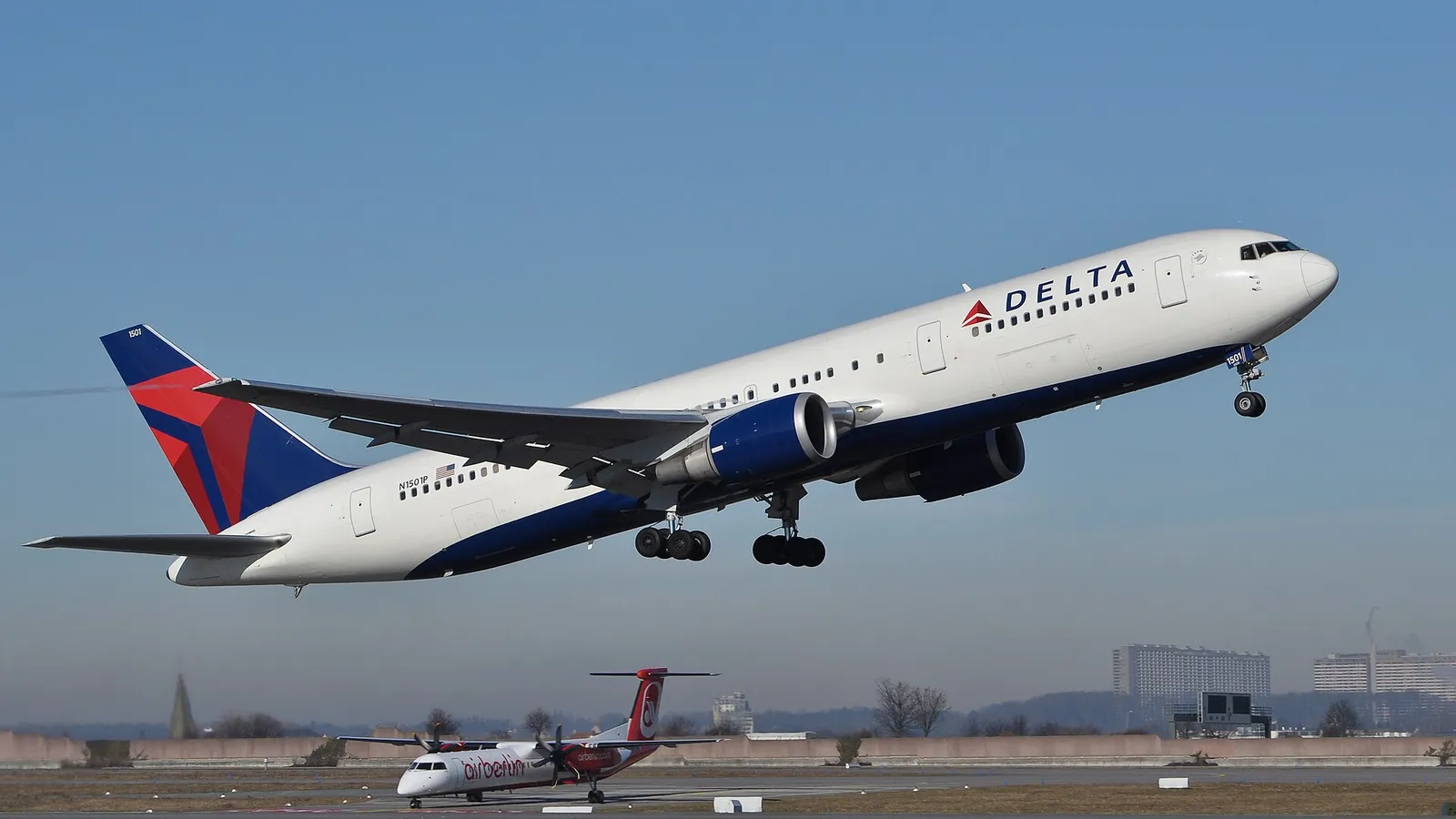
Delta's chief executive Ed Bastian has said artificial intelligence could improve the airline's profitability by as much as 50 percent, moving its margin from around 10 percent to around 15.
Read that carefully, because the number is doing something unusual. It is not a 50 percent increase in profit from growth. It is a five-point increase in margin on the same revenue, which in an industry with Delta's cost structure means it comes overwhelmingly from charging different prices to different people at different moments.
Where the money would come from
An airline seat is close to the textbook case for price discrimination. The marginal cost of carrying one more passenger on a flight that is departing anyway is small, the inventory is perishable in the most literal sense, and willingness to pay varies enormously between a business traveler booking on Tuesday for Thursday and a family booking in February for August.
Airlines have exploited this for forty years through fare buckets, advance purchase rules, Saturday night stays and change fees. Those are crude instruments for guessing willingness to pay from observable behavior.
What machine learning offers is the same exercise done continuously, on more variables, with faster feedback. If it works, more of the value in each seat is captured by the airline rather than left with the passenger as consumer surplus. That is the mechanism behind a five-point margin gain, and it is worth naming plainly, because "better decisions through improved data access", which is how Bastian described it, is a description of the tool rather than of the transfer.
What is actually deployed
The figures available are from July 2025, and should be read with that date attached. At that point AI influenced 3 percent of Delta's fares, with a stated aim of reaching 20 percent by the end of that year. The vendor named is Fetcherr.
We do not have a current figure. Whether the 20 percent target was met, exceeded or abandoned is not in the reporting available to us, so the honest statement is that a small share was live over a year ago and the ambition was to grow it sixfold within months.
The question regulators asked
In July 2025 Senators Mark Warner, Ruben Gallego and Richard Blumenthal wrote to Delta about its AI pricing, raising individualized pricing based on personal information and willingness to pay. The House Oversight Committee has examined surveillance pricing across a range of companies.
Delta's answer is categorical: "There is no fare product Delta has ever used, is testing or plans to use that targets customers with individualized prices based on personal data." The company says it uses aggregated data to generate pricing recommendations.
That distinction is real and it is narrower than it sounds. Pricing from aggregated data means the system does not look up an individual and quote them a personal number. It can still segment finely enough that a given person reliably lands in an expensive bucket, if the segments are built from enough behavioral variables. Whether that difference matters to a passenger depends on whether you object to being identified or to being charged more, and those are not the same objection.
Nothing here establishes that Delta does the second thing. It establishes that the denial addresses the first.
Why this reaches beyond one airline
Bastian is describing a margin improvement available in principle to any business with perishable inventory and variable willingness to pay: hotels, event tickets, rental cars, parking, and increasingly grocery and retail through electronic shelf labels.
The reason it is contentious in airlines first is that flying is close to non-substitutable for many trips, the market is concentrated, and the price is already opaque enough that most passengers cannot tell whether they were charged well.
If the 50 percent figure is achievable, competitors will pursue it, and the question stops being about one company's ethics and becomes about what pricing rules apply to everyone. That is a legislative question rather than a corporate one, and the letters from 2025 suggest it has been noticed.
This story reports statements by a company executive and is not investment advice.