A factory built for one boom is being pointed at another. Honda is repurposing part of its large lithium-ion battery plant in Jeffersonville, Ohio — built to supply electric vehicles — to instead produce batteries for AI data centers, Nikkei Asia reported. The aim, in the company's framing, is to "buy time until EV demand recovers."
How it came to this
The plant, developed with South Korea's LG Energy Solution and designed to make tens of gigawatt-hours of batteries a year, was finished just as the US electric-vehicle market stalled. With demand softer than projected, Honda has pulled back hard on its North American EV plans — scrapping planned models and taking a large write-down on the program — leaving expensive, state-of-the-art battery capacity at risk of sitting idle. Honda also moved to take full control of the Ohio site, agreeing to buy out LG's stake for roughly $2.85 billion. (Exact production volumes and the timeline for the data-center pivot have not been disclosed — treat the specifics as a developing report.)
Why data centers want batteries
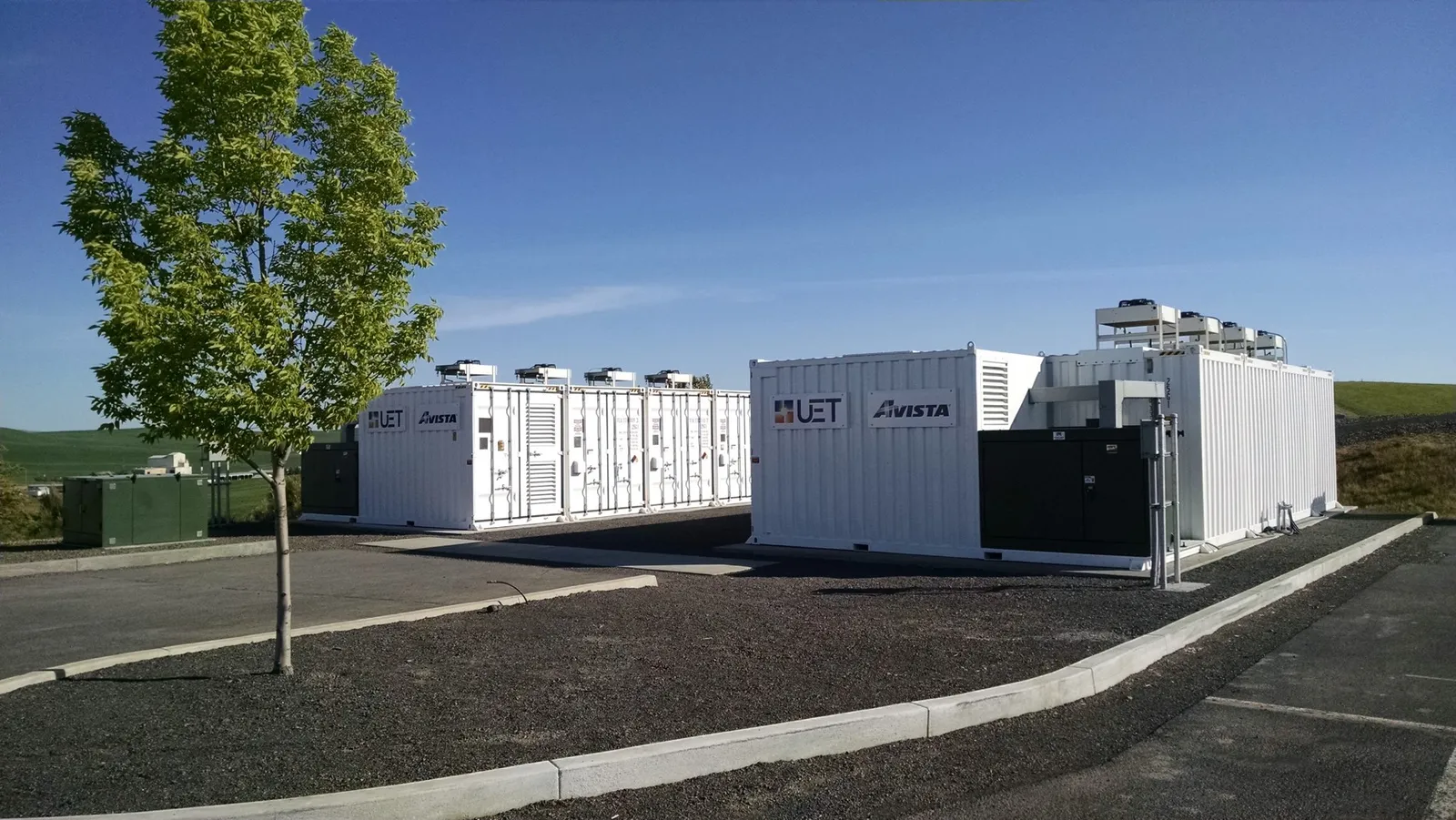
The logic of the switch is the AI build-out. Data centers — the warehouses of servers that train and run AI models — are enormous, around-the-clock power consumers, and they need batteries for two things: backup power to ride through grid outages, and energy storage to smooth demand and lean on the grid more efficiently. As AI workloads multiply, so does the appetite for that storage. Industry analysts project demand for data-center batteries to climb steeply over the next few years — a market growing just as EV battery demand has disappointed.
Crucially, the two uses aren't far apart technically: the same lithium-ion cells engineered to automotive standards can be redeployed into stationary storage systems. That makes a plant like Honda's unusually flexible — capacity built for cars can, with adjustments, serve server farms.
A bigger pattern
Honda isn't alone in the pivot. Its partner LG Energy Solution has itself leaned harder into energy storage as EV battery growth slowed. The episode captures a broader reallocation under way across industry: capital and factories built for the electric-car transition are being redirected toward the AI-infrastructure boom, wherever demand is hottest. It's the same convergence Boursel has tracked from the other side — data centers' voracious need for power driving deals for nuclear and other "always-on" electricity.
What it signals
For Honda, the move is pragmatic damage control: it keeps a costly asset working (and Ohio workers employed) while the EV market finds its feet, even as it marks an awkward retreat from earlier electrification promises. For investors, the read-through is wider. The EV slowdown and the AI-power surge are now actively reshaping where manufacturers point their factories — pressuring automakers and battery makers to chase data-center demand, and underscoring that the scarcest commodity in the AI era may not be chips, but power and the means to store it. A battery line in rural Ohio, switched from cars to server farms, is a small but telling marker of that shift.