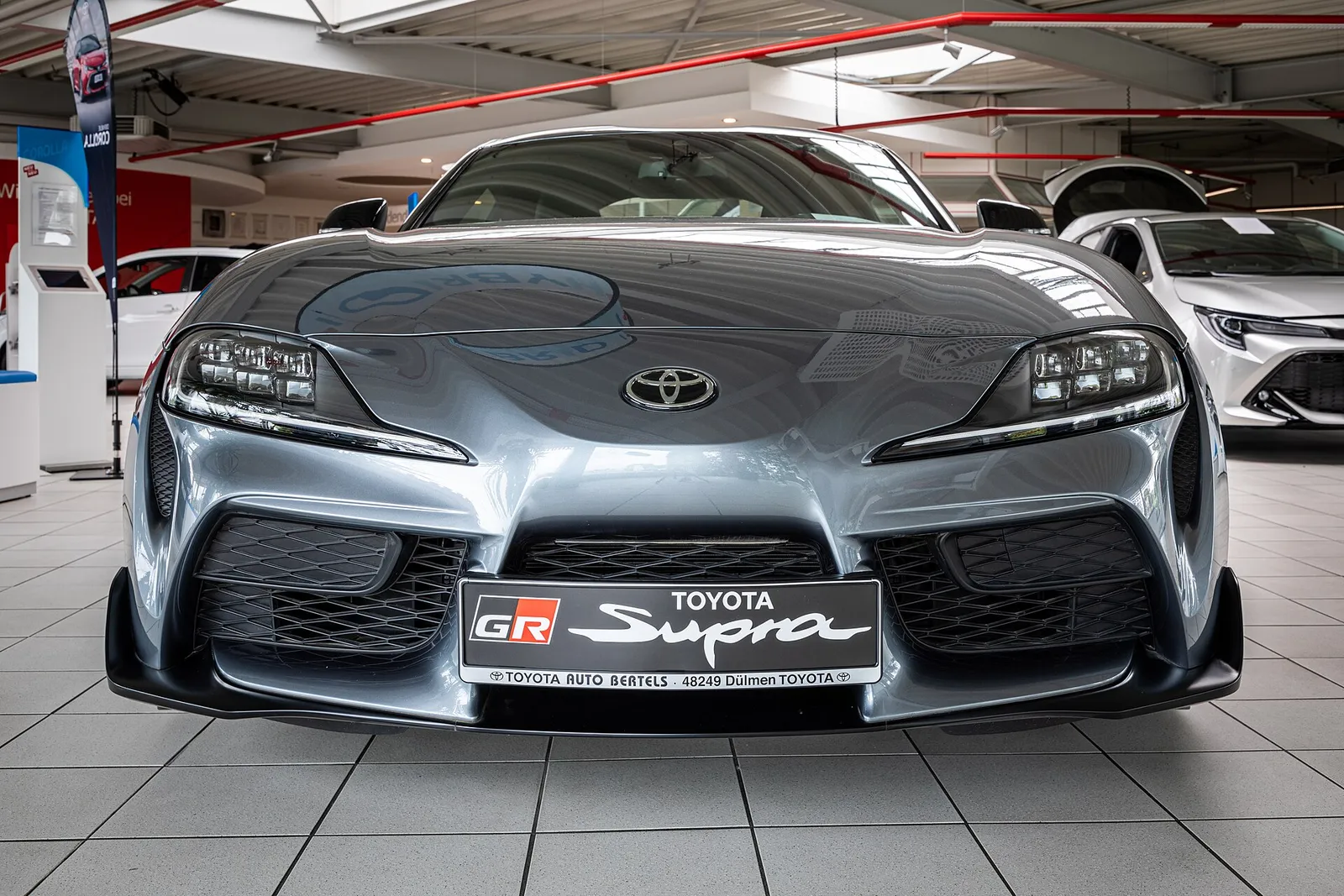
The world's largest carmaker is losing ground in its biggest growth market. Toyota sold 834,279 vehicles globally in May 2026, down 7.2% from a year earlier — a fourth consecutive monthly decline, Investing.com reported. Overseas sales fell 9.6%, and global production dropped 5.5%.
Where the weakness is
The damage was concentrated in a few key regions. Sales in China, Toyota's largest overseas market, plunged 31.7%; the Middle East slumped 38.6%; and the United States, Toyota's biggest single market, edged down 0.6%. The bright spot was Japan, where domestic sales rose 11.1%, helped by the RAV4 and the battery-electric bZ4X. On the factory side, Asian production fell 13.3%, partly offset by gains at home.
The China problem
Toyota attributed the slump to "tough market conditions," partly citing rising petrol prices that push buyers toward electrified cars. But the deeper story is competitive. China's car market has become the world's most cut-throat, dominated by fast-moving domestic electric-vehicle (EV) and plug-in-hybrid brands — led by BYD — that have undercut foreign automakers on price and features and triggered a brutal price war. Once a reliable engine of growth for Japanese and Western carmakers, China has flipped into a source of pressure, eroding the market share of incumbents that were slower to go fully electric.
That backdrop matters for Toyota specifically. The company built its strength on hybrids — cars that pair a petrol engine with an electric motor — and has been more cautious than some rivals about shifting to pure EVs. That strategy has played well in markets like the US, where hybrids are popular and charging infrastructure is uneven, but it has left Toyota exposed in a Chinese market racing toward all-electric.
Why it matters
For Toyota, four straight months of falling global sales is a warning that even the industry's volume leader isn't immune to the forces reshaping autos: the EV transition, Chinese competition and trade frictions. Because Toyota is a bellwether for the whole sector — and a heavyweight in Japan's stock market and economy — its numbers are read closely for what they say about global demand and about how legacy automakers are weathering the shift. None of this is a verdict on the company's full-year earnings, which depend on pricing, costs and currency as much as unit sales. But the trend line is clear: the China that powered a generation of automaker growth is now one of the toughest places in the world to sell a car, and Toyota's May figures show it.