The world's most cautious financial body has put a warning label on the AI boom. In its annual economic report, the Bank for International Settlements (BIS) — the Basel-based "central bank for central banks" — cautioned that the enormous investment pouring into artificial intelligence is increasingly financed by debt, and that a souring of AI optimism could carry financial-stability consequences far beyond the technology sector, Cointelegraph reported.
Boursel readers will recognize the messenger: this is the same institution, and the same annual report, that recently argued stablecoins fall short as money. On AI, its tone is similar — not doom, but a pointed flag from the financial establishment's most conservative corner.
The worry, in plain terms
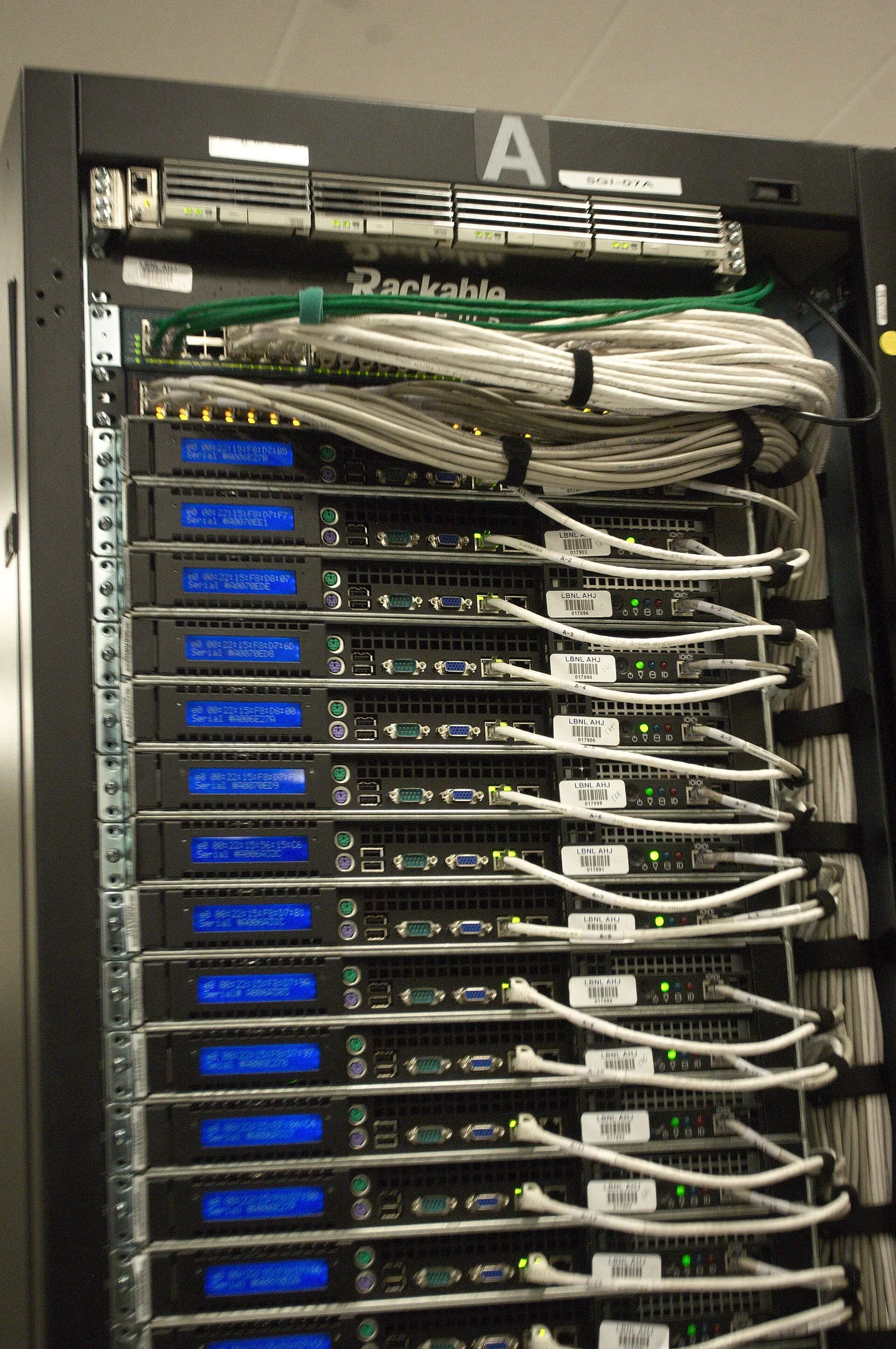
The headline concern is not how much is being spent, but how it's being paid for. The biggest cloud-computing companies — the "hyperscalers" like Microsoft, Amazon, Alphabet and Meta — are committing to AI capital expenditure (capex) on data centers and chips that runs into the trillions of dollars, a pace that increasingly outstrips their own cash flow. To bridge the gap, the BIS notes, they are turning to debt — corporate bonds and, increasingly, private credit and off-balance-sheet structures.
That last part is what unsettles the BIS. When borrowing is routed through special-purpose vehicles, joint ventures and private-credit funds, the true level of leverage (how much debt is behind the boom) becomes harder to see — for investors and regulators alike. It also weaves together tech firms, banks and lightly regulated "shadow" lenders in ways that could transmit stress quickly if sentiment turns.
The concentration problem
The BIS also flags concentration. A handful of mega-cap technology companies and chipmakers now dominate equity-market gains and investment flows, and their valuations are stretched on the assumption that today's breakneck growth continues. "A reversal of AI optimism could … have major financial consequences," the report warned, given those firms' rising leverage and growing presence in credit markets. In short: when so much money and market value rests on a few names and one story, a disappointment in that story doesn't stay contained.
Not a crash call
Crucially, the BIS is not predicting a bust — it is mapping the fault lines. It acknowledges the bull case: if AI delivers the productivity gains its backers promise, much of the spending will prove justified. Its point is narrower and older than AI itself — that booms financed with hidden leverage are the ones that tend to end badly, and that markets are currently pricing the upside faster than the real economy is delivering it.
Why it matters
This caution lands amid exactly the kind of spending Boursel has been chronicling — Samsung and SK's ~$1.3 trillion chip-and-AI plan, the data-center build-out, soaring valuations for AI-linked stocks, and, tonight, a reported $50 billion valuation for Baidu's chip unit. The BIS isn't telling anyone to stop building. It is telling policymakers to get a clearer view of where the debt sits — especially in private credit and off-balance-sheet vehicles — before any cooling in AI enthusiasm tests the system. For investors, the takeaway is a sober one: the AI build-out is now big enough, and borrowed enough, that its risks are no longer just a tech-sector story. They are a financial-stability question — and the world's central bankers' bank just said so out loud.