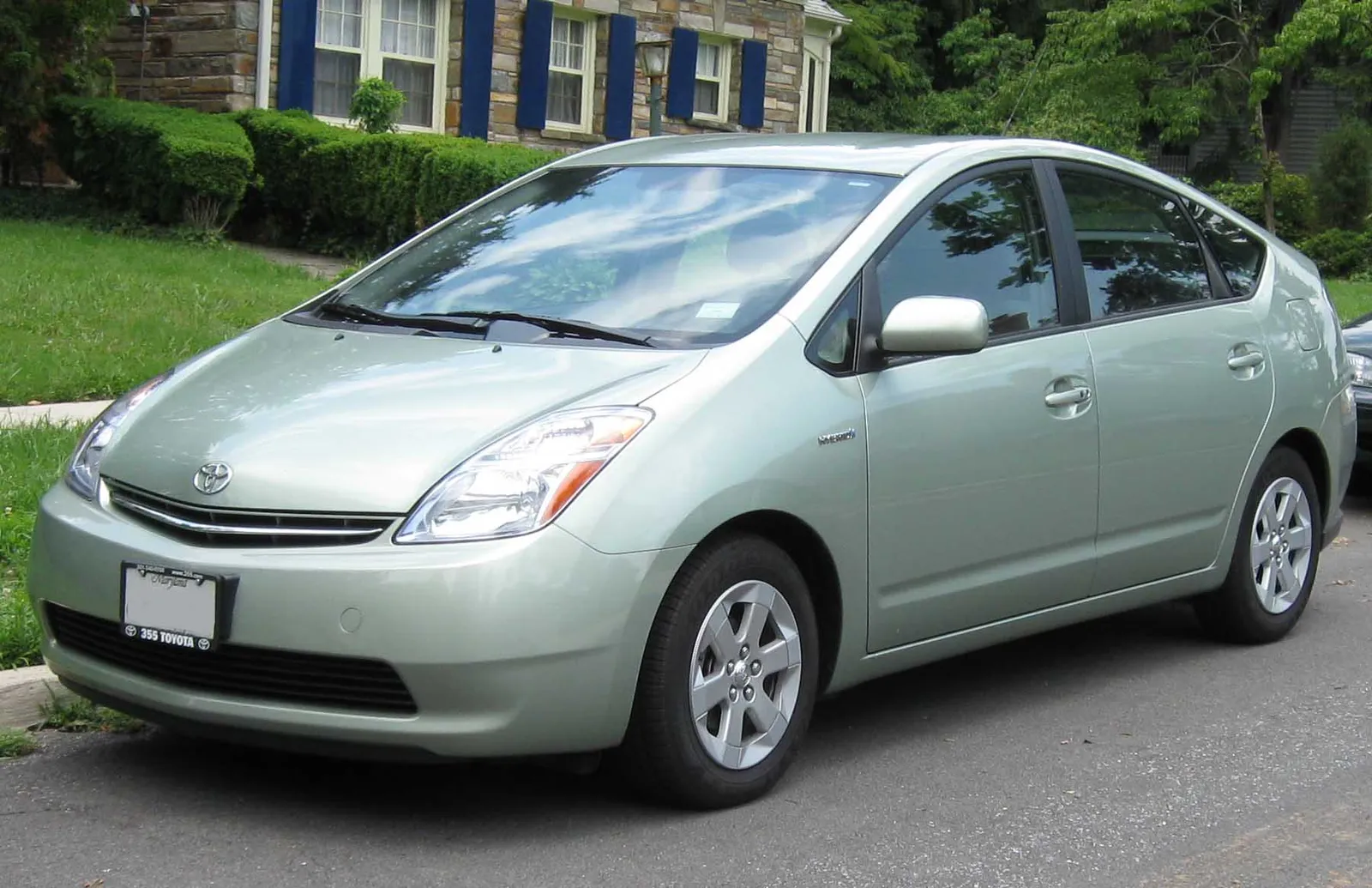
The future of the car was supposed to be all-electric. For now, American buyers are choosing something in between.
Hybrids — cars that pair a gasoline engine with an electric motor and battery — have become the standout of the 2026 U.S. auto market. They accounted for roughly 22% of U.S. light-vehicle sales in 2025, up from about 20% in 2024, according to the U.S. Energy Information Administration. Pure battery-electric vehicles (EVs) went the other way: after peaking near 12% of the market in September 2025, their share fell below 6% in the following months as federal purchase incentives lapsed. (A hybrid never needs to be plugged in — the gas engine charges the battery — while a battery-electric vehicle runs only on a battery that must be charged.)
The tax-credit cliff
The turning point was policy. The $7,500 federal tax credit for buying an EV expired on September 30, 2025, per the Internal Revenue Service, stripping away a subsidy that had made electric cars competitive on price. Hybrids never qualified for that credit, so they lost nothing when it disappeared — and suddenly looked like the better deal. EV sales, which had leaned heavily on the incentive, dropped sharply once it was gone.
Why buyers are choosing hybrids
Beyond price, hybrids solve the practical worries that still deter many EV shoppers. There is no charging to plan — you refuel at any gas station, sidestepping "range anxiety" and the patchy public-charging network that surveys repeatedly cite as the top reason buyers reject EVs. Hybrids also tend to cost less than comparable EVs while delivering much better fuel economy than a conventional car. For a mainstream buyer, that combination — familiar, cheaper, no new habits — is an easy sell.
Winners and losers
The split shows up starkly in second-quarter results. Toyota, long the hybrid champion, said electrified vehicles — overwhelmingly hybrids — made up more than half of its U.S. sales in the quarter, helping it press its challenge to General Motors for the sales crown. Honda and Hyundai also reported strong hybrid-driven gains, CNBC reported.
The companies that bet hardest on pure EVs fared worse. Ford's all-electric sales fell about 41% in the quarter — though its Maverick hybrid set a record with 29,457 sold — and General Motors, with a lineup tilted toward EVs and few hybrids, posted a 4.2% sales decline. The lesson landing on Detroit: a hybrid bench matters when EV demand cools.
What it means for electrification
The hybrid boom cuts two ways. In the near term it is a lifeline — automakers can keep selling electrified vehicles that customers actually want, cushioning the EV slump. But hybrids still burn gasoline, so leaning on them slows the shift away from the internal-combustion engine that most of the industry (and regulators) had been planning around. Analysts caution against reading the moment as a rejection of EVs outright: used-EV demand has been strong even as new-EV sales fell, suggesting the problem is price and convenience, not the technology. Toyota, for its part, is doubling down, signaling plans to make hybrids a majority of its lineup later this decade.
Why it matters
For automakers, the hybrid surge rewards those who hedged — Toyota, Honda, Hyundai — and punishes those who went all-in on EVs before the market was ready, forcing strategy rethinks across the industry. For investors, it reshuffles the auto scorecard and raises questions about the billions sunk into EV factories and batteries. And for households, it is simply a rational response to the numbers: with the subsidy gone and charging still a chore, the hybrid is the pragmatic choice. Boursel gives no investment advice; the takeaway is that the road to electrification is proving longer and more winding than the industry assumed — and for now, the hybrid, not the EV, is carrying the U.S. car market.