Micron Technology delivered the largest quarterly revenue in its history on June 24, posting $41.46 billion in fiscal third-quarter sales — more than quadruple the $9.30 billion it recorded a year earlier, and ahead of the roughly $35.84 billion analysts expected. Shares rose about 10% in extended trading; the stock is up roughly 700% over the past year, carrying Micron's market value above $1 trillion.
Adjusted earnings came to $25.11 a share, well above estimates, and gross margin — the share of revenue left after the cost of making the chips — reached 84.9%, up from 74.9% the prior quarter and just 39% a year earlier. That swing shows how sharply supply has tightened.
What is driving the surge
The force behind the results is a memory supercycle: a stretch in which demand for memory chips outruns supply, letting manufacturers charge far higher prices. The catalyst is artificial intelligence. Training and running AI models requires accelerators — chiefly Nvidia's GPUs — that need enormous amounts of fast memory beside them.
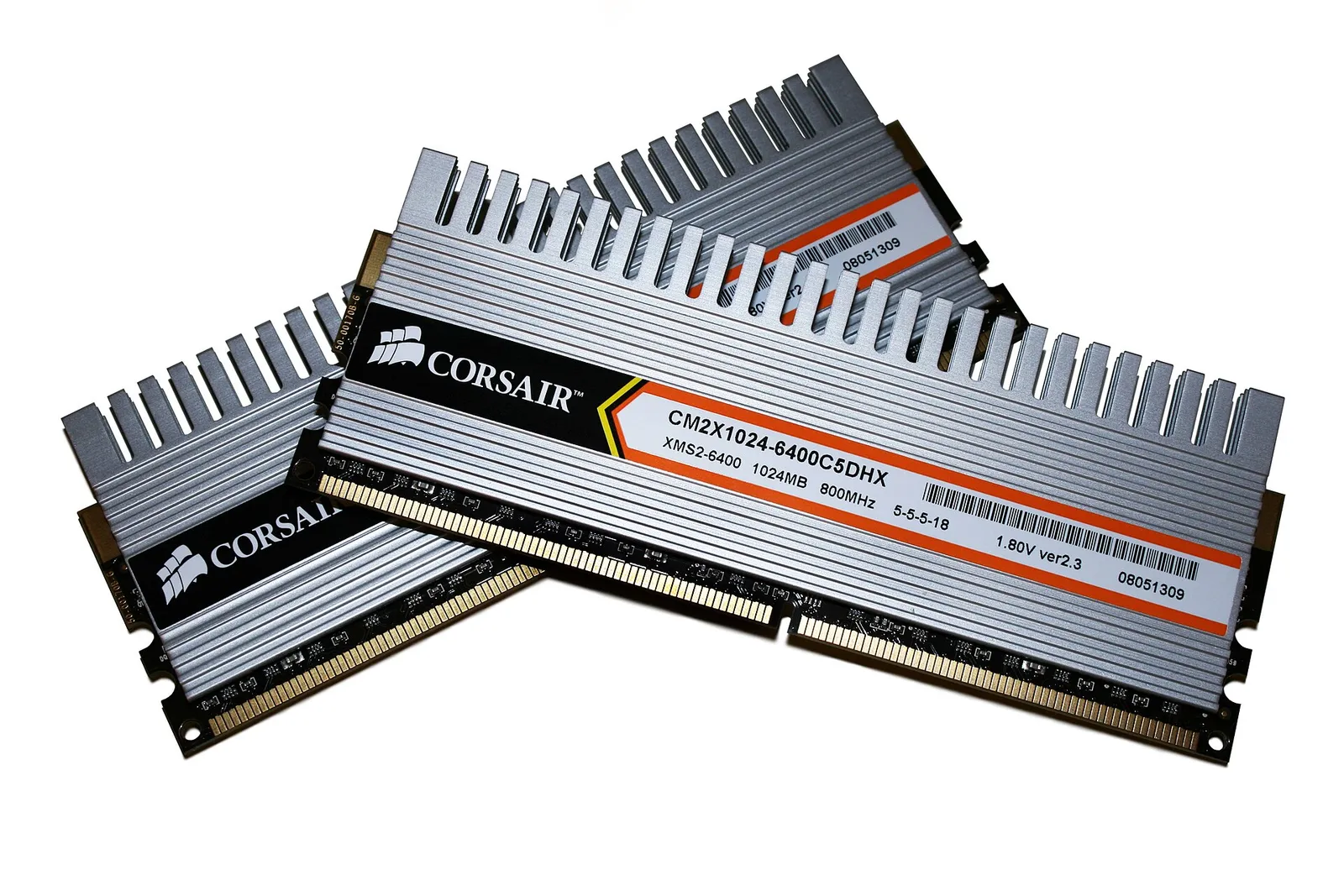
That demand is met by high-bandwidth memory, or HBM — a form of DRAM (dynamic random-access memory, the standard working memory in computers and servers) built into tall vertical stacks placed directly alongside a processor, feeding it data many times faster than conventional memory. Micron, South Korea's SK Hynix and Samsung are the only three companies that can make it. Micron's latest generation, HBM4, began shipping in volume during the quarter, and the company says its HBM output is sold out into next year.
Conventional and high-bandwidth DRAM together generated about $31.3 billion of the quarter's revenue; NAND flash storage, used in solid-state drives, contributed roughly $9.9 billion.
Guidance and context
For the current quarter, Micron guided revenue to about $50 billion — up from $11.3 billion a year earlier — with gross margin near 86%. Chief executive Sanjay Mehrotra tied the results to "the strategic value of memory in the AI era," and the company disclosed a long-term supply agreement with AI developer Anthropic.
The figures land as the memory industry reshapes itself around AI. SK Hynix — which Boursel has covered for overtaking Samsung in HBM and for its plan to raise roughly $29 billion in a Nasdaq listing — has led in supplying HBM to Nvidia. Micron's blowout quarter suggests the market is large enough to lift all three makers at once.
The jump in gross margin, from 39% to nearly 85% in a year, is what pricing power looks like in a supply-constrained market. Whether those margins hold will depend on how fast the three memory makers can add capacity and whether cloud providers keep spending on AI at the current pace. This is reporting on results and company guidance, not investment advice.