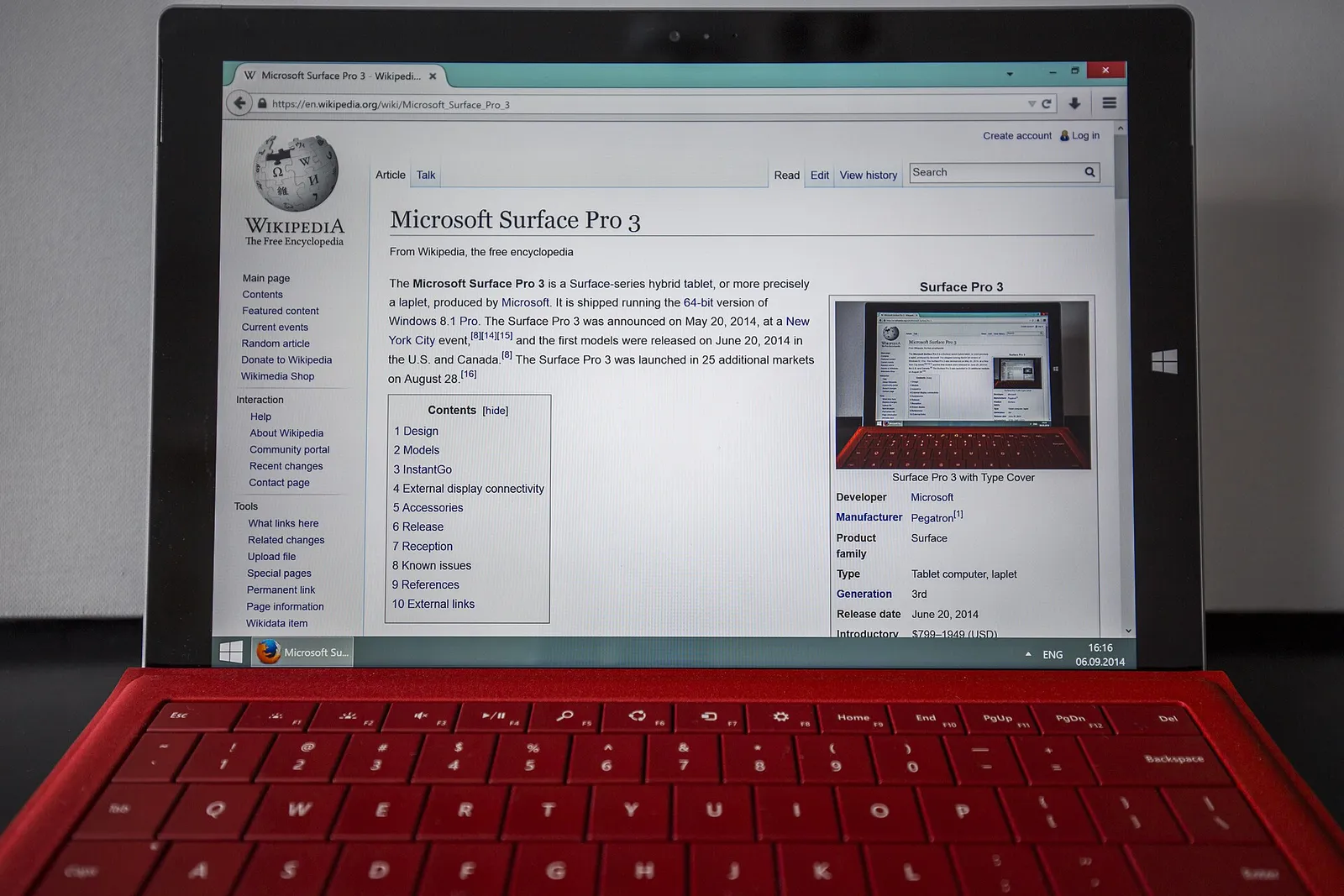
Microsoft has quietly added cheaper versions of its two main Surface computers — and the way it cut the price is itself a sign of the times. The new Surface Pro 12-inch and Surface Laptop 13-inch start at $849 and $949 respectively, each with 8GB of memory, half what the standard models carry, according to Windows Central. Both run on Qualcomm's now last-generation Snapdragon X Plus chip with 256GB of storage.
The move brings Surface back under $1,000. The same machines launched with 16GB of memory at $799 and $899, but a series of price increases earlier this year pushed the 16GB versions above $1,000, PCWorld reported. Rather than swallow those higher prices, Microsoft is now offering a lower-memory option as a separate, cheaper tier.
What you give up
There is a clear catch. Memory — RAM, or random-access memory — is the short-term workspace a computer uses to run programs; more of it lets a machine juggle more tasks before slowing down. Cutting from 16GB to 8GB matters because the RAM on Surface devices is soldered to the board and cannot be upgraded later.
The 8GB models also fall short of Microsoft's own bar for an AI PC. The company's Copilot+ branding requires at least 16GB of RAM, so the cheaper Surfaces do not qualify and cannot run on-device Copilot+ features. Microsoft has positioned the 8GB versions as additional options for "everyday productivity, browsing, communication, and entertainment" rather than replacements for the 16GB line — a notable hedge for a company that spent the past two years promoting 16GB as the floor for a modern Windows experience and selling AI as the future of the PC.
The memory crunch behind the cut
The reason the price math changed is a global shortage of memory chips, and the cause is artificial intelligence.
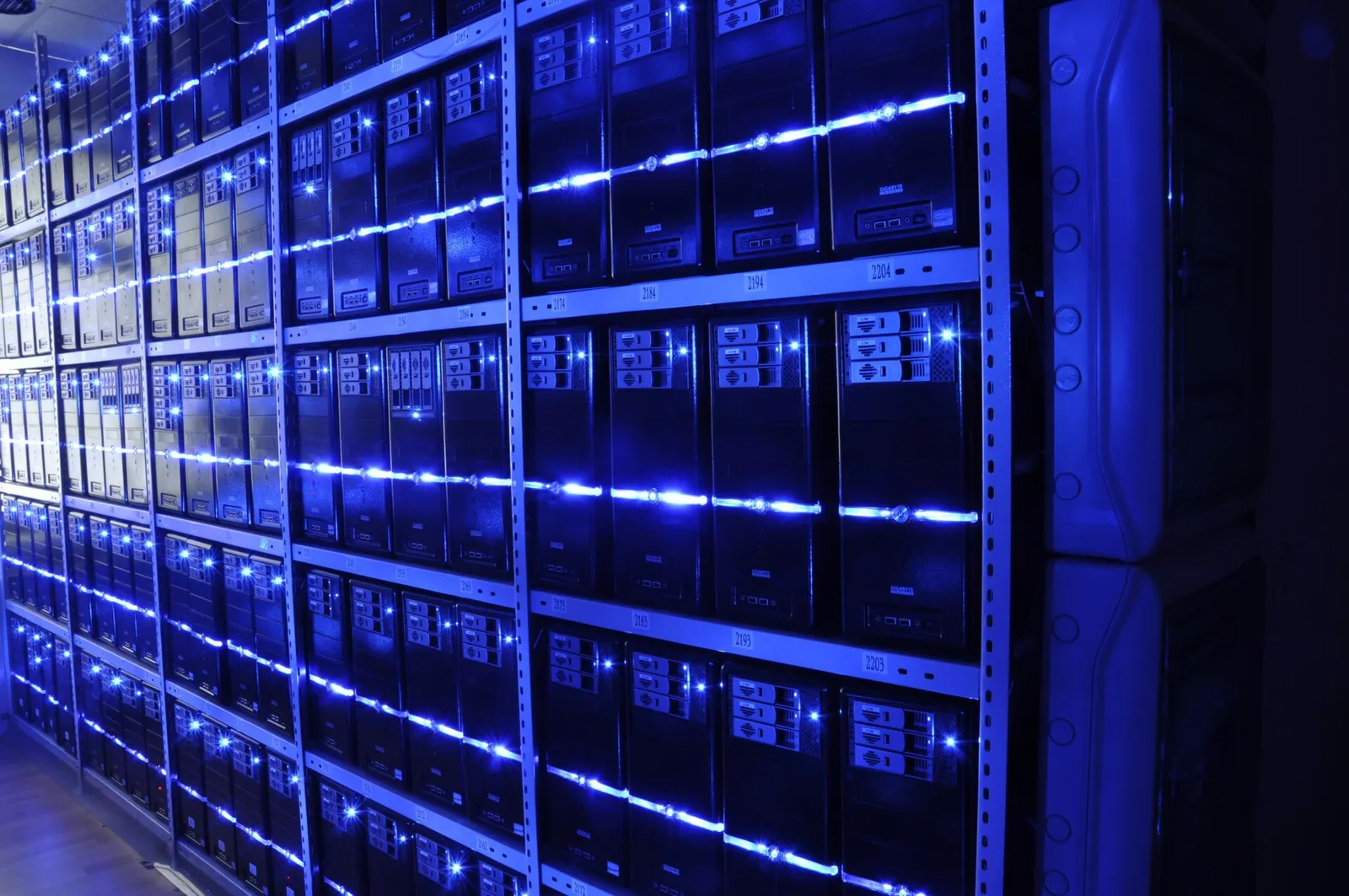
The chips that make up a computer's RAM are called DRAM, and they are produced by a handful of companies — chiefly Samsung, SK Hynix and Micron. Those manufacturers have been shifting production toward a specialized, higher-margin variant called high-bandwidth memory, or HBM, which is packed into the AI accelerators that data centers are buying in enormous quantities. As capacity moves to HBM, less is left for the conventional DRAM that goes into laptops and phones — and prices have jumped.
DRAM prices rose sharply in early 2026, up roughly 80% to 90% from the prior quarter, according to IEEE Spectrum. The HBM market that is pulling capacity away from consumer chips is projected to grow from about $35 billion in 2025 to $100 billion by 2028. Industry analysts have warned the squeeze could persist for a year or more, as new factory capacity from the major memory makers is not expected to come online until 2027 at the earliest. Memory has become a far larger share of what it costs to build a PC than it was two years ago, and device makers including Dell, Lenovo and HP have flagged higher prices.
Why it matters
Microsoft's 8GB Surface is a small product decision that illustrates a large macro force. The AI boom that has lifted chipmakers and data-center builders is now reaching into the price of an ordinary laptop — and manufacturers are responding by trimming specifications to hold a price point rather than passing the full increase to shoppers.
For buyers, the immediate trade-off is concrete: a cheaper Surface that cannot be upgraded and cannot run Microsoft's marquee AI features. For the wider PC market, it is an early, visible sign that the cost of the AI build-out is spilling over to consumers — and a reminder that when memory makers chase data-center margins, the squeeze eventually lands at the checkout.