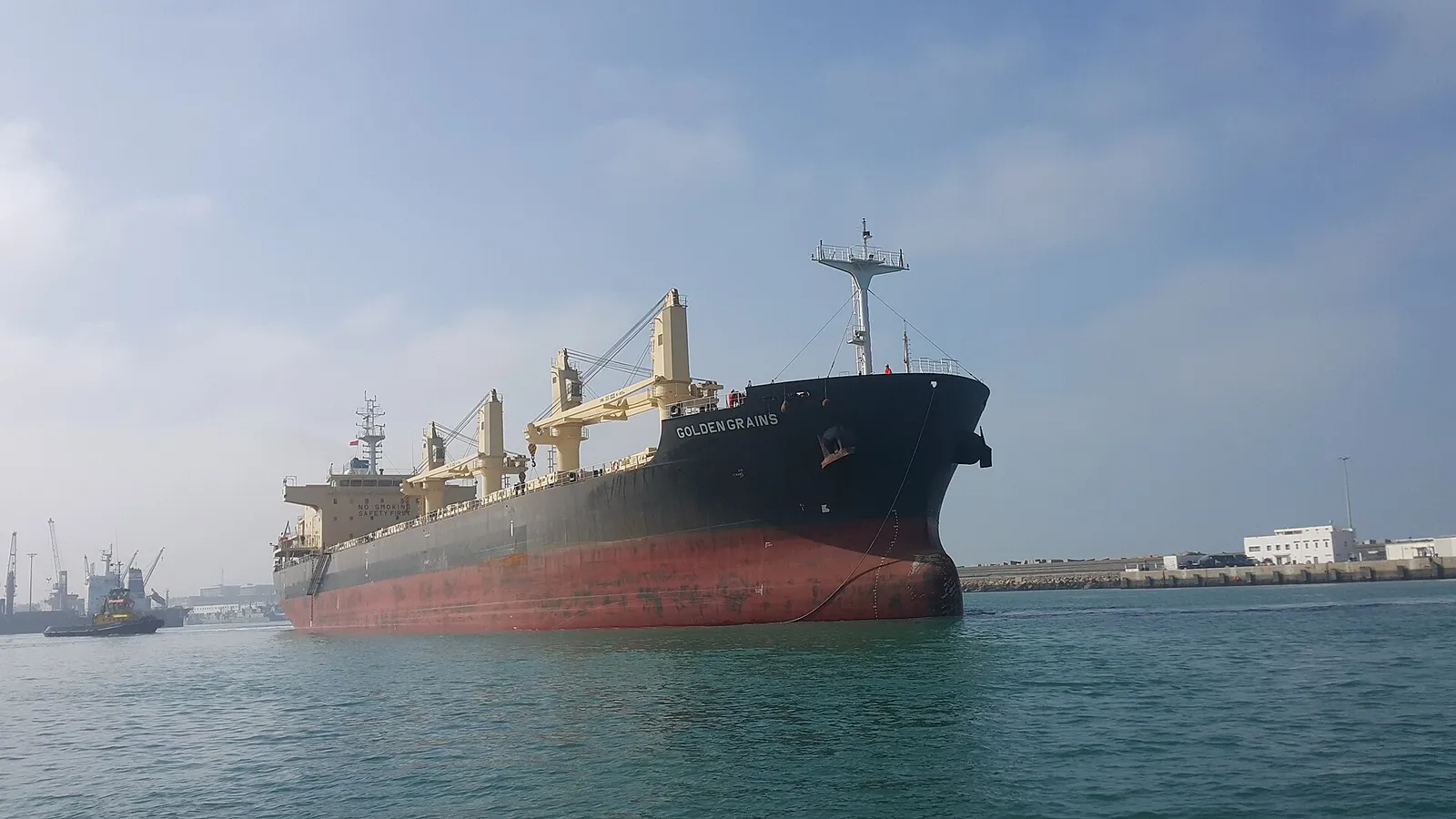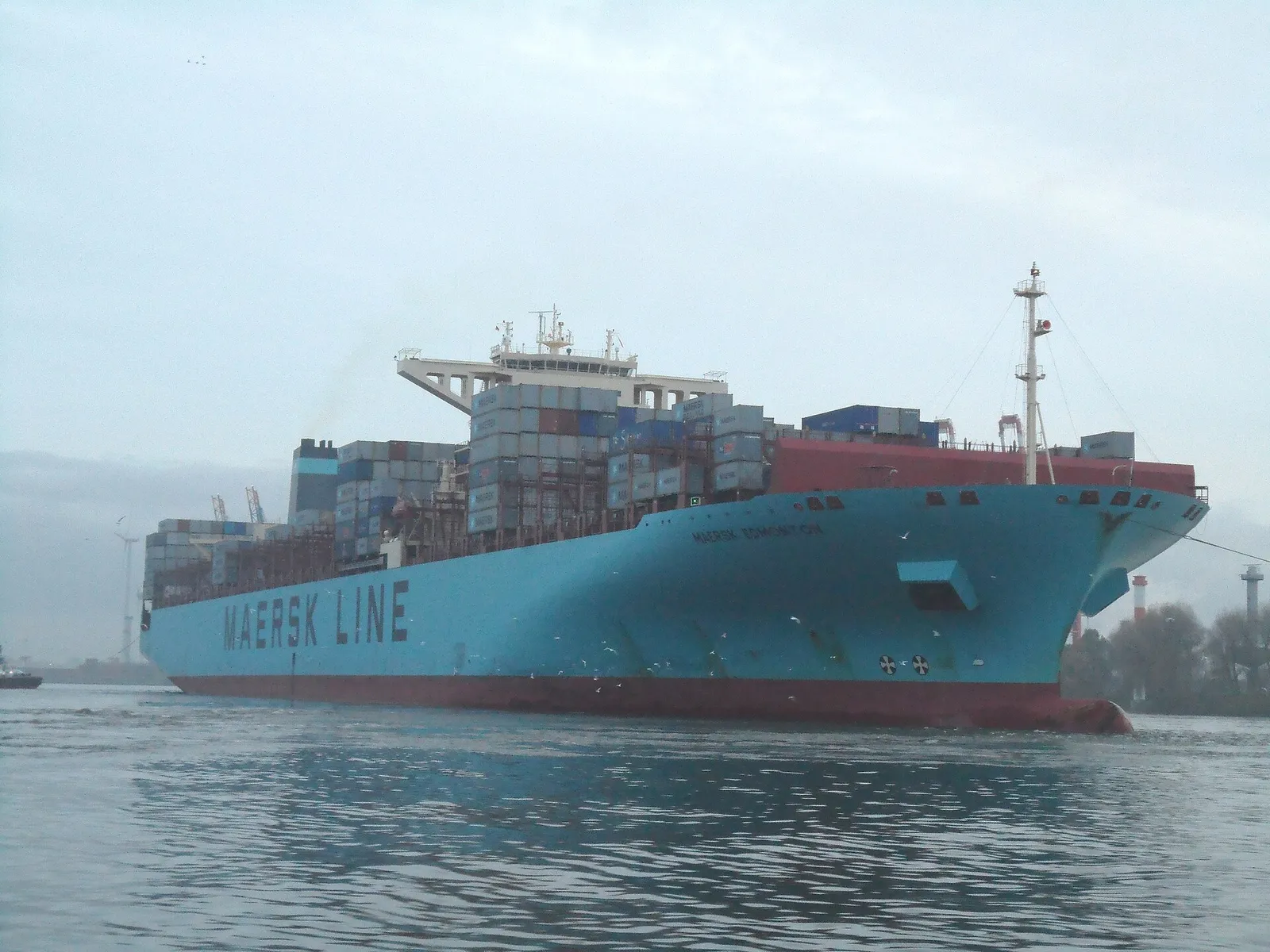
One of the clearest barometers of global trade just flashed green. A.P. Moller-Maersk, the Danish container-shipping giant, raised its 2026 profit guidance, lifting expected underlying EBITDA (a measure of core earnings) to $8–10 billion, up sharply from a prior $4.5–7 billion, Yahoo Finance reported and Seatrade Maritime confirmed. The reason: freight rates have stayed high, and Maersk now sees the global container market growing faster than it expected.
Why rates are elevated
Two forces are keeping shipping prices up — and they're ones Boursel has tracked.
Rerouting around the Red Sea. Since attacks on shipping made the Suez Canal / Red Sea route unsafe, most container lines have been sailing the long way around Africa, via the Cape of Good Hope. That detour adds roughly ten days and thousands of miles to Asia–Europe voyages, which soaks up ships — vessels spend longer at sea, effectively shrinking available capacity. Less effective capacity, same-or-rising demand, higher rates.
Tariff front-running. As Boursel reported, US importers are rushing cargo in early to beat looming tariff deadlines, pushing up shipping volumes; industry trackers expect June import volumes up around 14% year over year. That surge is straining capacity further and propping up rates — on some lanes, Asia-to-US-West-Coast container prices have jumped well above $4,000 per container in recent weeks.
(Explainer: a container line's EBITDA swings with freight rates — the price to ship a box. When capacity is tight and demand strong, rates and profits soar; when ships free up, they fall fast.)
Why Maersk is a bellwether
Maersk moves a huge share of the world's containerized goods, so its results are a read on global trade. When it lifts guidance and says demand is strong, it signals busy ports and resilient commerce; when its rates collapse, it often warns of a slowdown. Right now, the message is robust near-term demand — but with a clear caveat.
The catch: these tailwinds are temporary
Both drivers are, by nature, finite. If the Red Sea reopens to normal traffic, all those rerouted ships come back into service, capacity floods back, and rates fall. And tariff front-running borrows demand from the future — once the deadline passes, import volumes and rates tend to drop, the "trough" Boursel flagged when US retailers were pulling orders forward. Maersk's own framing acknowledges the strength is tied to disruption and a rush, not a durable demand boom.
Why it matters
For Maersk and its shippers, it's a lucrative window — pricing power born of disruption. For the global economy, the guidance is a reassuring sign that trade volumes remain healthy despite tariffs and geopolitics. But for consumers and retailers, elevated freight costs are a cost pressure that can feed into prices down the line. And the bigger lesson is about fragility: a chunk of the shipping industry's current profitability rests on a blocked sea lane and a tariff scramble, both of which could reverse. Boursel offers no view on Maersk's stock; the takeaway is that the company is minting money off a disrupted world — and is candid that the boom comes with an expiry date.