If your summer trip felt expensive, you're not imagining it. Airfares are elevated heading into the July 4 weekend, and the people who set them say they'll stay high. US airline fares are up sharply over the past year — the government's consumer-price index for airline fares has run up roughly 25%-plus year-over-year, per BLS data — and, as one travel-pricing analysis put it, you can "expect prices to be high and stay high," Fortune reported.
It's mostly about supply, not just fuel
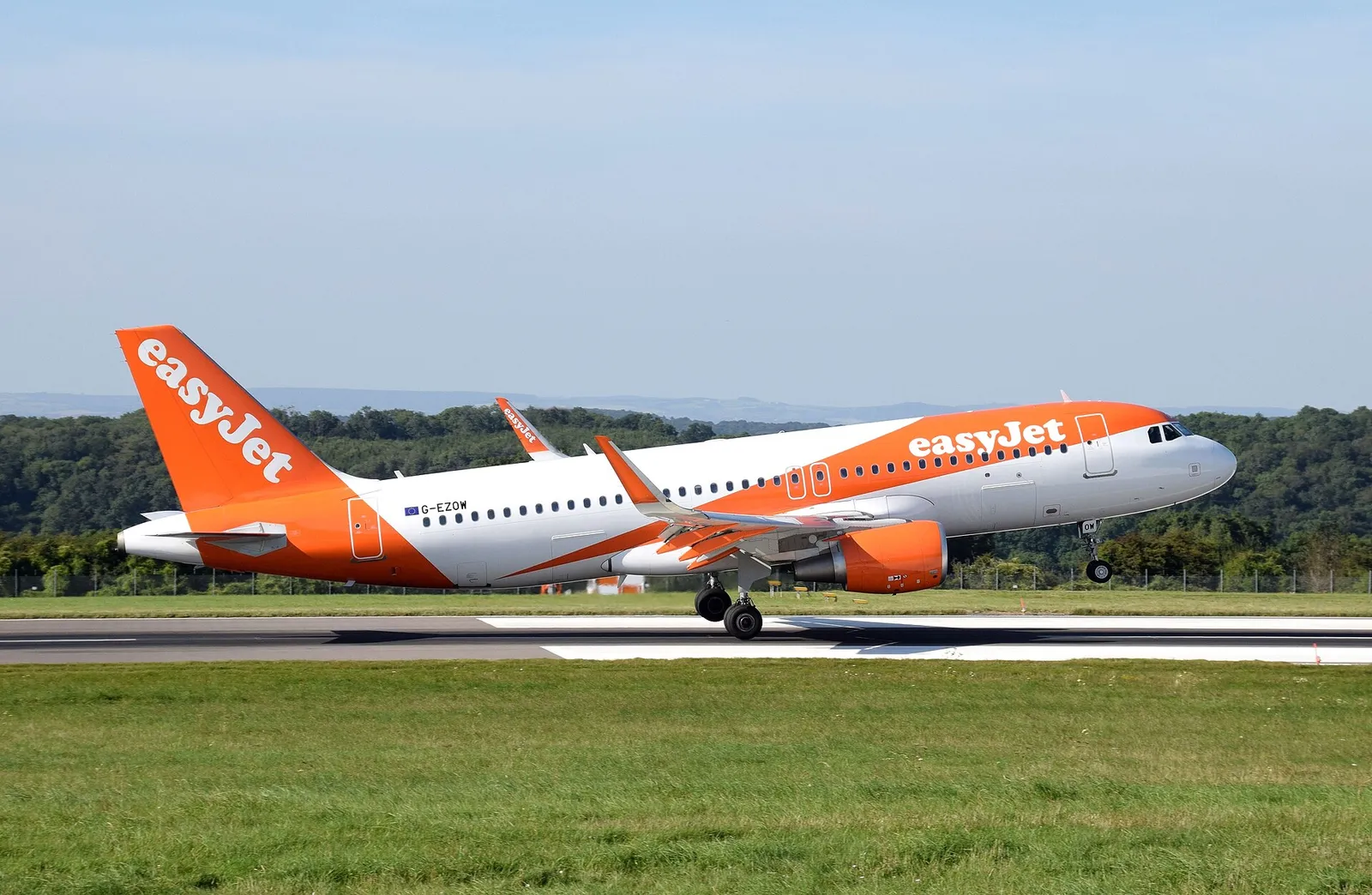
The intuitive culprit is jet fuel — and yes, fuel costs are up, tied partly to the oil swings Boursel covered around the Middle East. But the bigger driver is capacity discipline. After years of chasing growth, big US carriers — American, United and Delta — have been holding back on adding flights, keeping seats relatively scarce so they can protect fares and profits. The 2024-25 bankruptcy of ultra-low-cost carrier Spirit removed a budget price-fighter from many routes, easing the downward pressure on prices, Fortune noted.
(Explainer: when airlines limit capacity — the number of seats flown — and demand stays strong, fares rise. It's the same supply-and-demand math as anything else; airlines have simply gotten more disciplined about not flooding the market.)
The domestic-vs-international split
Prices aren't moving uniformly. Domestic fares have been climbing on those capacity cuts and resilient home-travel demand. International long-haul fares — especially to Europe — have also jumped, but for a slightly different reason: a shortage of widebody (twin-aisle) jets. Aircraft-delivery delays at Boeing and Airbus have limited how many long-haul seats airlines can offer, just as premium transatlantic demand stays strong. (The same delivery backlog is why carriers like SAS are ordering new widebodies, as Boursel reported.) The upshot: both domestic and international are pricey, for overlapping but distinct reasons.
Airlines are choosing profits over growth
This is a deliberate strategy. Carriers are managing seats to defend margins rather than expanding to grab share — a shift from the pre-pandemic playbook. They're also leaning on premium cabins and fees (ancillary revenue) to make money even when they can't pass through every cost. American Airlines' CEO Robert Isom has argued that, historically, "travel is still a bargain," Fortune reported — and bookings remain strong despite the higher prices, which is exactly why the airlines have pricing power.
What it means for travelers
The practical reality for the July 4 weekend and the rest of summer: don't expect fares to fall much. Analysts cited by Fortune see prices staying high near-term as airlines only slowly add capacity back. Boursel doesn't give booking or financial advice, but the dynamics are clear — scarce seats plus strong demand equal firm prices, and last-minute availability tends to shrink (and cost more) during peak periods.
Why it matters
For travelers, it's a squeeze on summer budgets and a reminder that the post-pandemic travel boom hasn't cooled enough to bring relief. For the airline business, the same story reads as resilient profitability: pricing power and capacity restraint are keeping margins healthy even with higher fuel and labor costs — a structurally more disciplined industry than the one that chased growth at any cost. And for the broader inflation picture, services like travel remain a sticky source of price pressure, part of why headline inflation has been slow to fully retreat. Boursel offers no view on airline stocks; the takeaway is that expensive air travel is now a feature, not a glitch — by the airlines' own design.