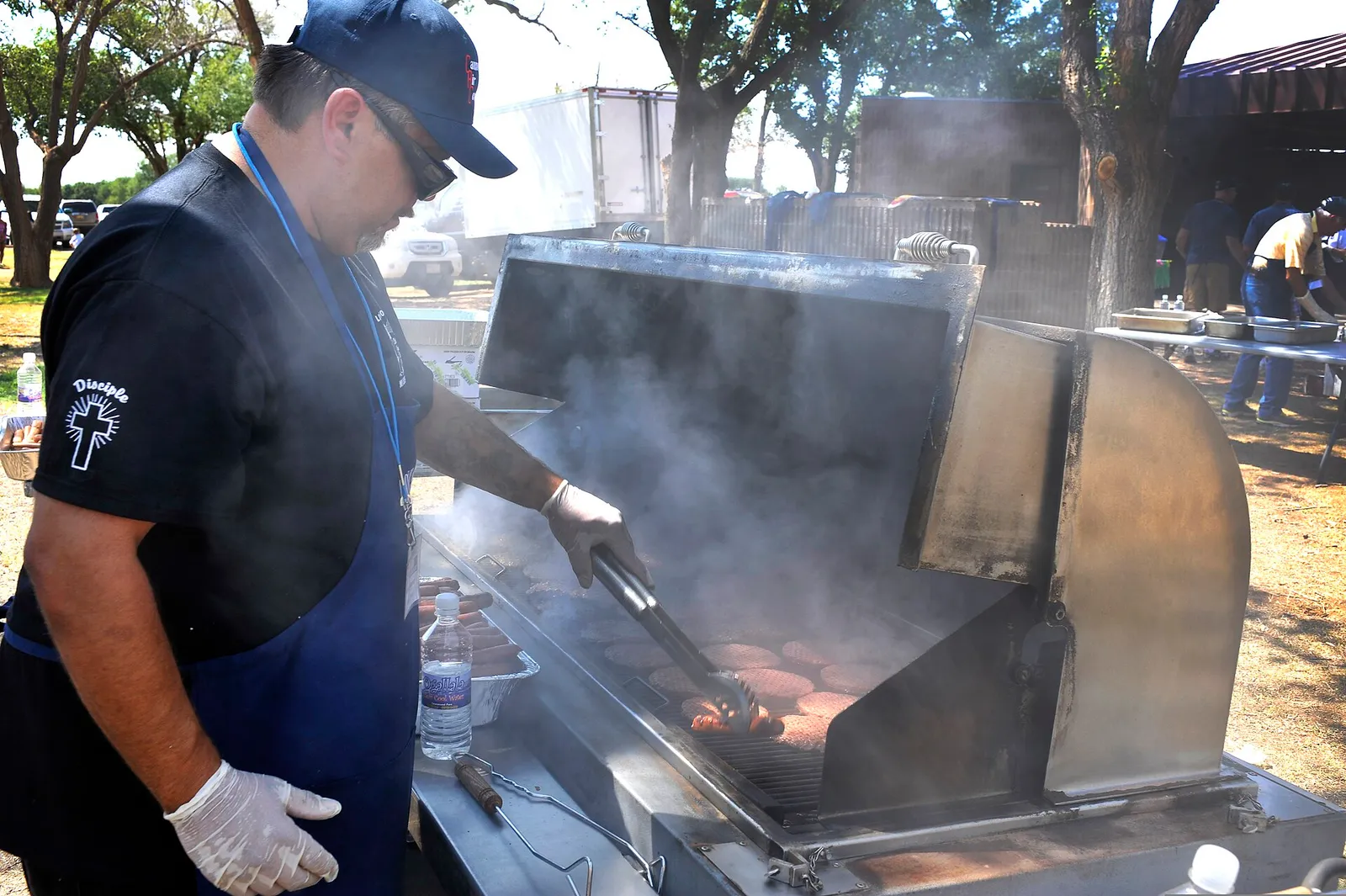
Here's a puzzle for the grill this weekend: the US is importing record amounts of beef, and yet beef has never been more expensive. Ground beef has pushed past $6 a pound — a record — even as imports hit all-time highs. Both things are true at once, and the reason runs through the American cattle ranch.
The shrinking herd
The root cause is supply. The US cattle herd has fallen to its lowest level in roughly 75 years — about 86.7 million head as of early 2025, according to the USDA. The shrinkage is the result of years of drought across cattle country, which drove up the cost of feed and pushed ranchers to sell off breeding cows rather than expand. Fewer cattle means less domestic beef — and tighter supply means higher prices.
To fill the gap, the US is buying more beef from abroad — Australia and Brazil chief among them — at record volumes. But imports can supplement domestic supply, not replace it, and global beef isn't cheap either.
Why the imports don't lower prices
It comes down to scale and timing. Imports help keep beef on the shelf, but they can't offset a multi-year decline in the domestic herd, which still supplies the bulk of US beef. So prices keep climbing: the USDA has projected cattle prices rising further in 2026, on top of a sharp jump in 2025, per its Economic Research Service. Ground beef specifically is up sharply year over year and dramatically higher than before the pandemic.
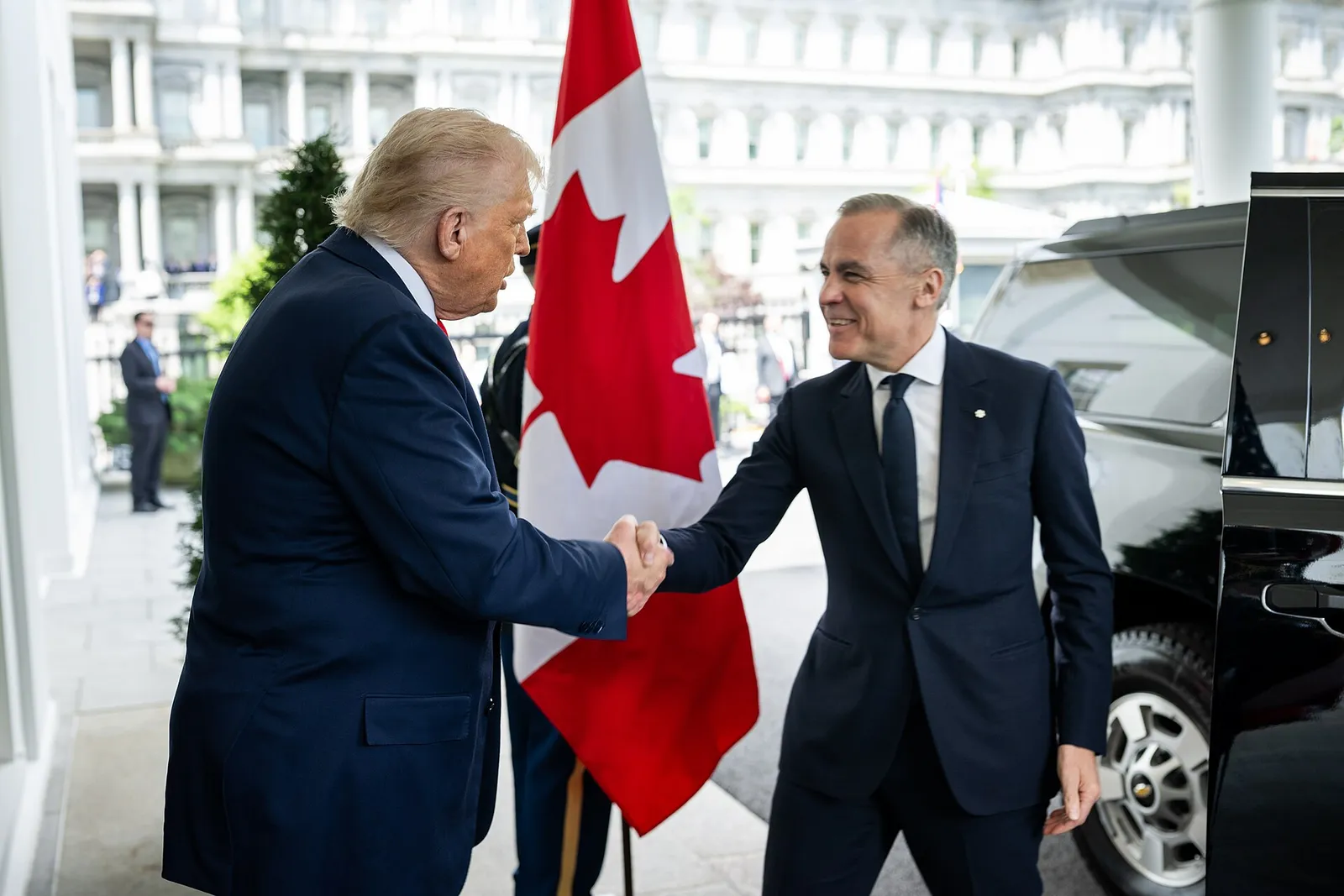
Tariffs add friction. Brazil, a major supplier, faced steep US tariffs at points in the past year (a duty reported as high as 40% was later partly rolled back), which can raise the landed cost of imported beef even as the US leans on it more heavily. Trade disputes, in other words, collide with a moment when America most needs the imports.
The long road back
The frustrating part for shoppers: there's no quick fix. Rebuilding a cattle herd takes years, because cattle have long breeding cycles — a rancher who keeps a heifer to breed today won't add beef to the supply for a couple of years. Analysts and the USDA have seen little sign yet of large-scale herd expansion, which means the tight supply — and elevated prices — are likely to persist well beyond this summer. (That's an assessment of the cattle cycle, not a precise price forecast.)
Why it matters
For shoppers, it's a pricier cookout and a vivid example of food inflation that's proved sticky even as overall inflation cools — beef is one of the items keeping grocery bills high. For ranchers, high prices are a windfall now but reflect a painful, drought-driven contraction. For the economy, beef is a small but visible piece of the inflation picture the Fed is watching. And for policy, it's a reminder that tariffs and trade interact with everyday prices in ways that show up right at the meat counter.
Boursel offers no advice on what to buy or grill; the takeaway is that the record-imports-yet-record-prices paradox isn't a contradiction at all — it's exactly what you'd expect when a country's own herd shrinks to a 75-year low and the world's beef has to make up the difference, at a price.