Scott Bessent holds a press conference at 1pm Eastern to announce what he has called the toughest sanctions in history on Iran. Ahead of it, Brent fell $1.01, or 1.1 percent, to $93.38 a barrel, and WTI fell $1.42, or 1.6 percent, to $85.64.
Oil going down before the announcement of the harshest sanctions ever imposed on a major producer is the fact worth sitting with, and it is not a market being complacent.
What the price is saying
Bjarne Schieldrop of SEB put it as directly as it can be put: "$93 per barrel Brent, rather than $120-150, is telling us that enough oil is flowing."
That is the whole analysis in one sentence. A price is not a moral verdict on a policy; it is an estimate of the balance between barrels wanted and barrels available. If the market believed the sanctions would remove a large volume of supply that nothing else would replace, the price would already reflect it, because nobody waits for a press conference to buy oil they think is about to become scarce.
Brent at $93 after nearly six months of conflict, with the Strait of Hormuz largely shut, is the market's statement that the physical shortfall so far has been absorbed. The two consecutive weekly gains of more than 5 percent that preceded today say it has not been absorbed comfortably.
The physical picture
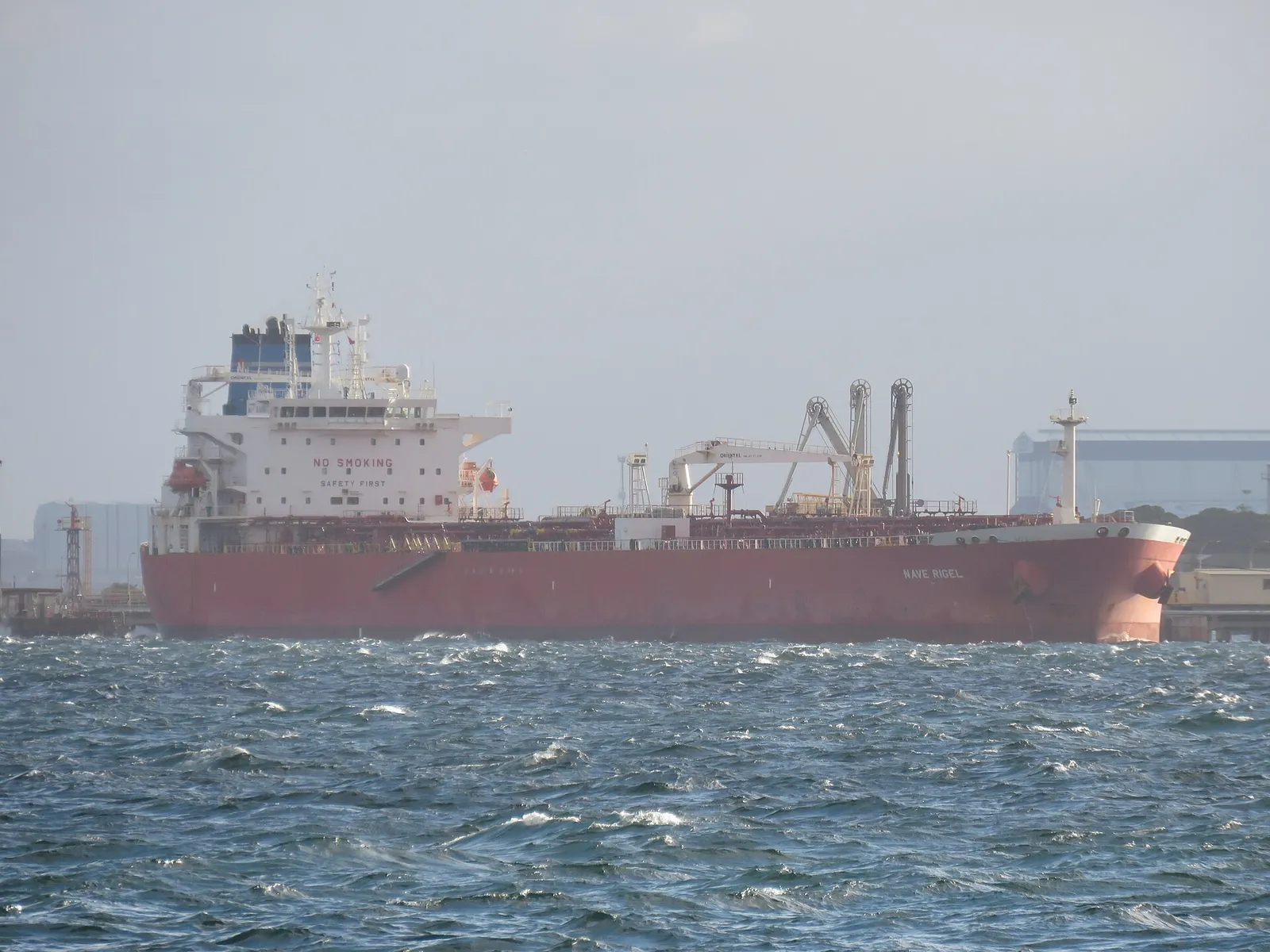
Fewer than 20 commodity vessels transited Hormuz over the weekend, through a waterway that historically carried a fifth of global supplies. Iran has been granting passage to Iraqi tankers following requests from Baghdad.
Patrick Pouyanne, chief executive of TotalEnergies, said his company is still moving oil through the strait profitably, with higher transport costs offset by the steep discounts producers in the region are accepting. That sentence contains the mechanism by which a blockade fails to become a price shock: the oil still moves, the shipping costs more, and the producer eats the difference because a discounted barrel sold beats a barrel stranded.
It also explains who is actually paying. Not, so far, the consumer.
What could change it
Tamas Varga of PVM gave the conditional that matters: "Should the pledged embargo be launched, oil supply from the region will fall." The question is by how much, and against what.
Fatih Birol of the IEA said a second release from strategic reserves is not currently under discussion, which removes one shock absorber from the near-term picture. Morgan Stanley projects Brent peaking at $100 in the fourth quarter, which is an analyst's forecast rather than a fact and is notable mainly for being modest: it is roughly 7 percent above today.
Secondary sanctions are the variable to watch rather than the primary ones. Iran's oil is already heavily restricted; the new element in the reporting is that Washington has threatened measures against Iran's trading partners. Sanctions on the seller constrain one supplier. Sanctions on the buyers constrain the routes by which discounted barrels reach the market, and it is those routes that have been holding the price at $93 rather than $130.
The consumer end of it
We reported on Friday that Brent at $94 was a diesel problem before it was an oil problem, because refined product markets have been tighter than crude. That remains the more useful lens for anyone whose exposure is to fuel rather than to futures.
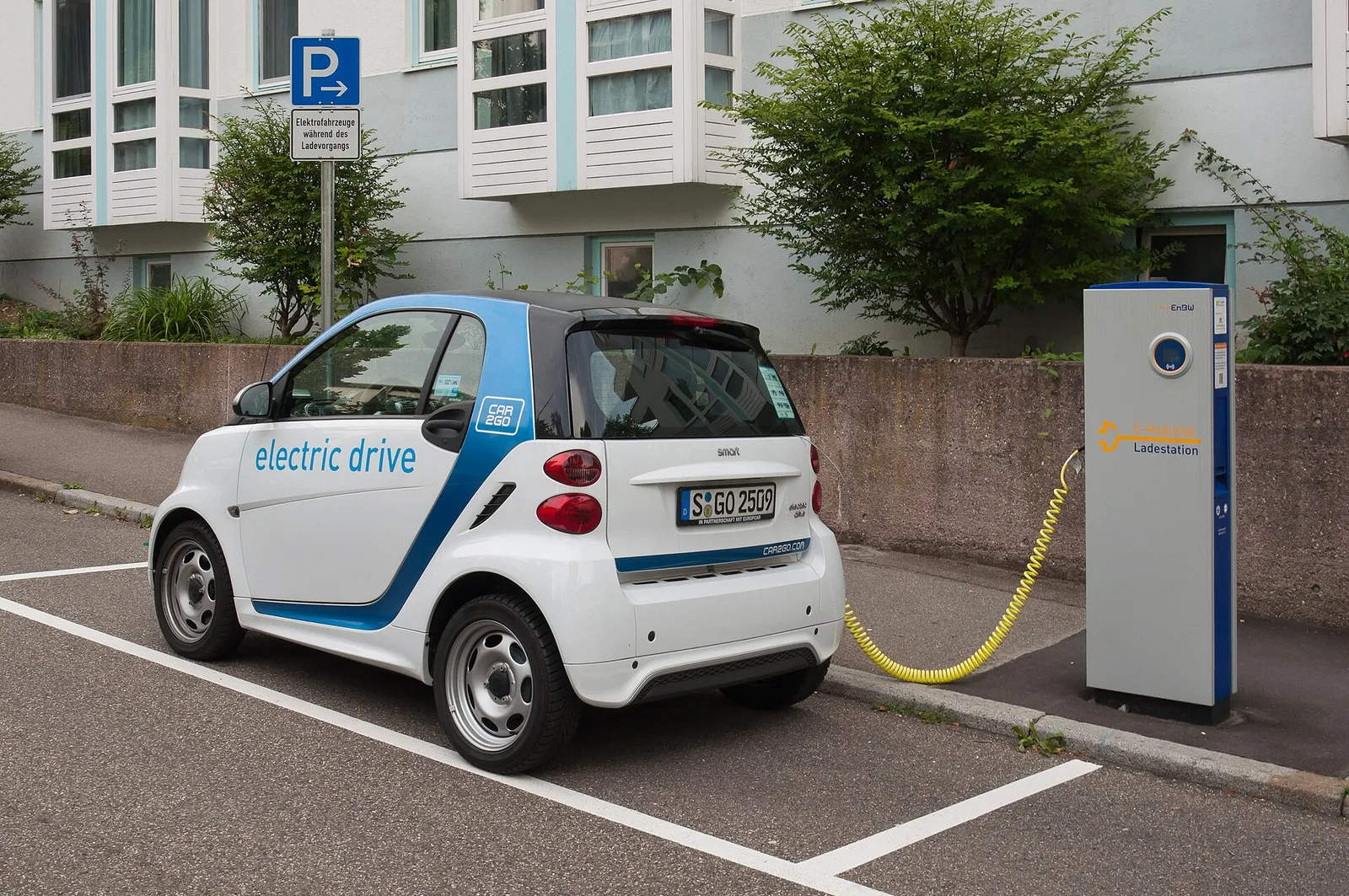
It is also the channel through which this reaches households, and it is already visible somewhere unexpected. Fuel prices since the war began are one of three reasons named in the acceleration of European electric vehicle sales, which we reported overnight. A conflict that has not moved the crude price much has moved what people buy.
The briefing is at 1pm. The number to check afterwards is not the headline on the sanctions but whether Brent stays near $93.