Saipem, the Italian energy-engineering group, has landed one of the larger offshore contracts of the year. The company said it had been awarded work worth roughly $2 billion, representing its share, to build and install a major production vessel for a gas field off Indonesia, Offshore Engineer reported.
What Saipem does
Saipem is what the industry calls an EPC contractor, short for engineering, procurement and construction. Energy companies that find oil or gas rarely build the vast infrastructure to extract it themselves; they hire firms like Saipem to design it, buy the equipment, fabricate the structures and install them, often in deep water far offshore. Formed decades ago out of Italy's state energy champion Eni, which remains a major shareholder, Saipem operates in scores of countries and competes for the world's biggest subsea and offshore projects.
The project
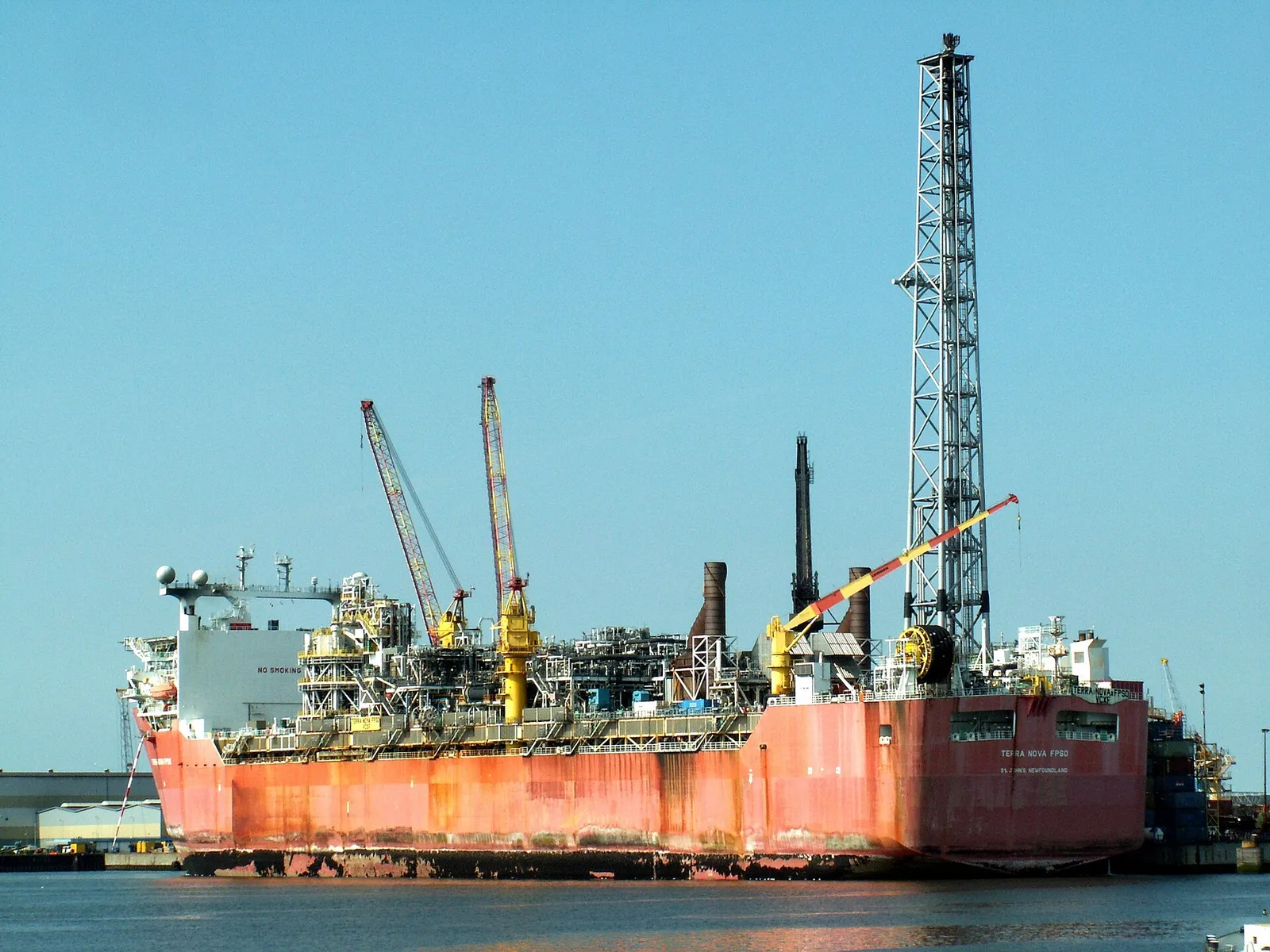
The award covers the Kutei North Hub development, in the Kutei Basin off East Kalimantan, in eastern Indonesia, Saipem said. At its center is an FPSO, a floating production, storage and offloading vessel: essentially a giant ship, moored over the field, that receives gas and liquids from wells on the seabed, processes them, and stores them until they can be piped or shipped away. FPSOs are favored in deep or remote waters where running a pipeline all the way to shore would be impractical.
Saipem is carrying out the work in a joint venture with a local partner, PT Tripatra, and its scope runs the full length of the job, from detailed engineering and procurement through fabrication, offshore installation and final commissioning. The contract was awarded by Eni North Ganal, a company controlled by Searah, the venture that Eni and Malaysia's Petronas have set up to develop gas in the region. Once producing, the field's gas is due to feed the long-established Bontang LNG plant, which chills gas into liquefied natural gas for export, as well as Indonesia's domestic market. Execution is expected to take around four years.
Why it matters
For Saipem, the value is in the backlog. Contractors like it live and die by their order books, the pipeline of future work that underpins revenue years ahead, and a single $2 billion award materially strengthens that position while signalling client confidence in its engineering and its ability to deliver in Southeast Asia.
The deal also fits a bigger pattern. Natural gas is widely treated by energy companies and governments as a "bridge" fuel, cleaner-burning than coal and useful for power generation while renewables scale up, and that has spurred a wave of investment in new gas fields, pipelines and LNG plants worldwide. Indonesia, a significant gas producer and LNG exporter, is pushing to develop remaining offshore reserves both to earn export income and to meet rising domestic demand. Projects like Kutei North Hub are where those ambitions turn into steel, and where firms like Saipem collect the bill. Whether the current gas-investment boom endures will depend on long-run demand and prices, but for now the orders are flowing.