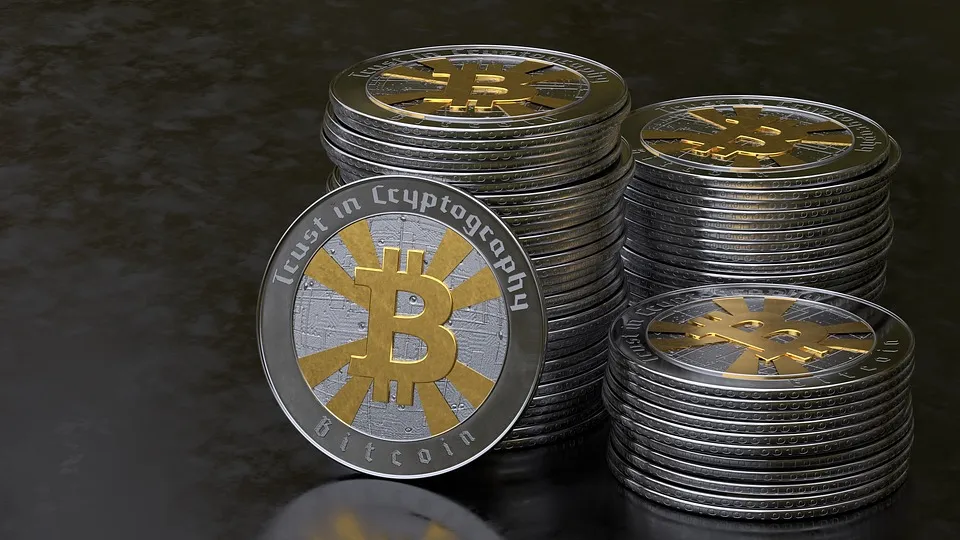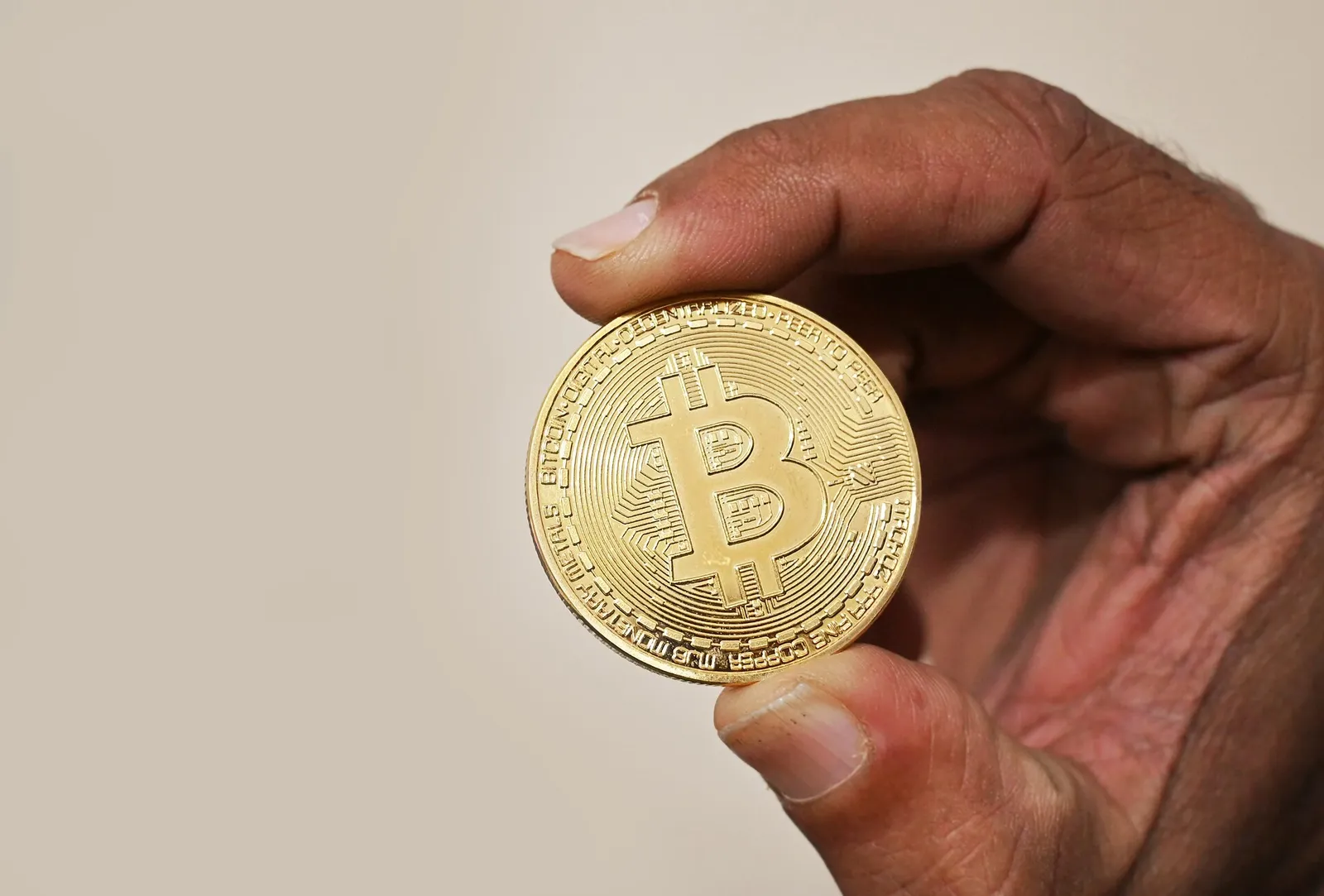
Bitcoin is the asset that launched an entire industry, and the one most people still mean when they say "crypto." Yet what it actually is remains hazy to many. In plain terms, it is a form of digital money that no single institution controls, kept honest not by a bank but by mathematics and a worldwide network of computers.
Where it came from
Bitcoin was introduced in a nine-page paper published in October 2008 by a person or group using the name Satoshi Nakamoto, titled "Bitcoin: A Peer-to-Peer Electronic Cash System". The timing, amid a financial crisis and bank bailouts, was pointed. The goal was money that did not depend on trusting any government or company. The network went live in January 2009, and Nakamoto's real identity has never been confirmed.
How it works
Instead of a bank keeping a private record of who owns what, Bitcoin uses a blockchain: a public ledger, copied across thousands of computers, that records every transaction ever made. Because everyone can see and check it, no central authority is needed to keep the books.
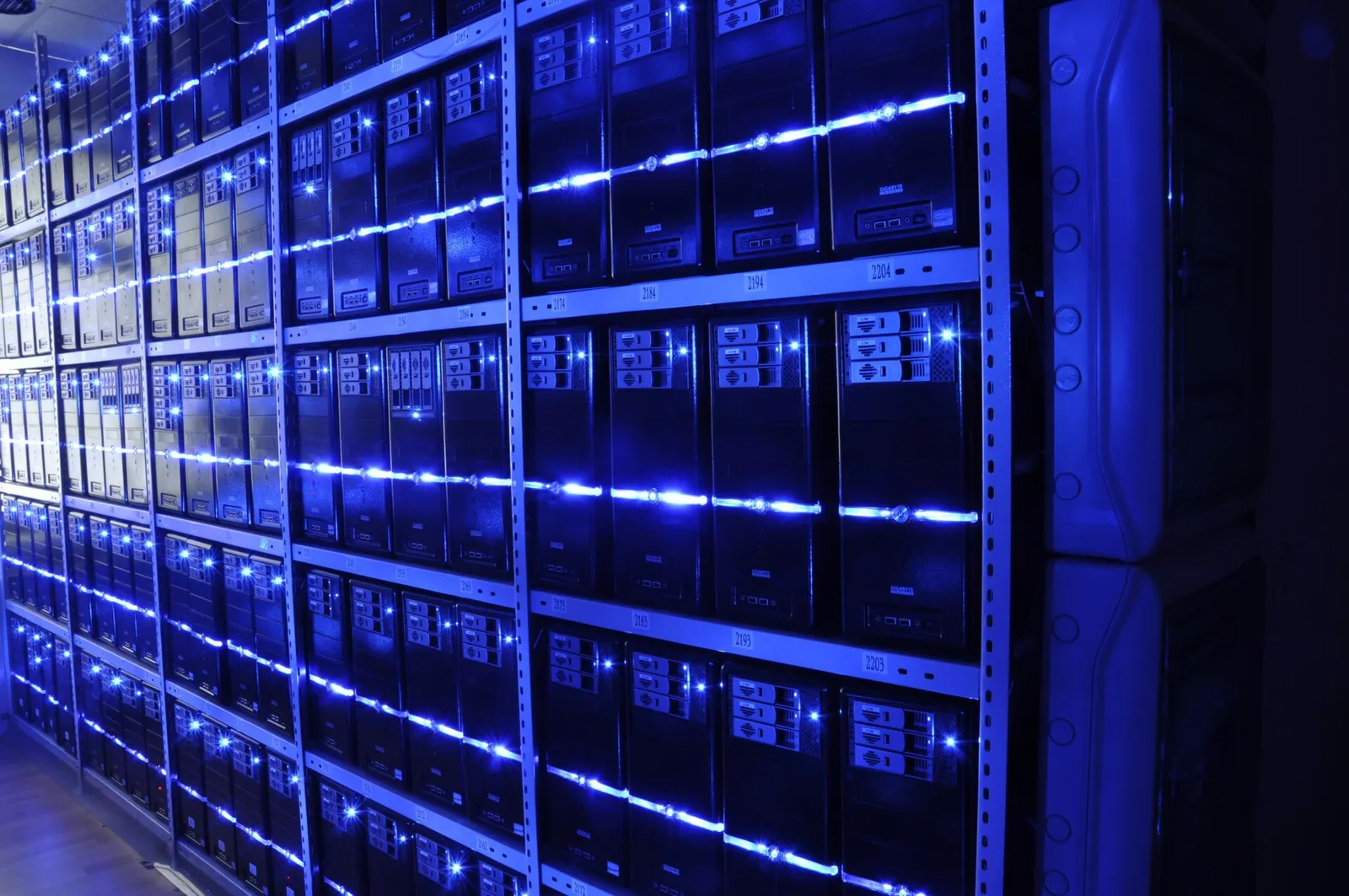
New transactions are grouped into "blocks" and added to the chain through a process called mining. Miners are people running specialized computers that compete to solve a hard mathematical puzzle. The winner gets to add the next block and is rewarded with newly created bitcoin. This system, known as proof of work, makes cheating expensive: to rewrite the ledger you would need to out-compute the entire honest network, as the Federal Reserve has described in a technical primer. It also solves the puzzle of how to stop someone spending the same coin twice without a referee.
Ownership comes down to a private key, essentially a very long secret password that lets you move your coins. Whoever holds the key controls the bitcoin. That is Bitcoin's strength, no one can freeze or seize your coins, and its danger: lose the key, and the coins are gone for good, with no help desk to call.
Scarcity by design
Bitcoin's most distinctive feature is a hard limit: there will only ever be 21 million coins. The pace of new supply also slows over time through an event called the halving. Roughly every four years, the reward miners receive for each block is cut in half. It started at 50 bitcoin per block in 2009 and has stepped down to 25, 12.5, 6.25 and, since April 2024, 3.125. Some time around 2140, new issuance effectively stops.
That fixed supply is the heart of the "digital gold" argument. Where central banks can create more traditional currency, Bitcoin's cap is written into its code, which appeals to people who see it as a hedge against inflation and government money-printing.
Why people care
Supporters value Bitcoin for different reasons: as a potential store of value immune to central-bank policy, as a way to send money that no government can block, and, for many, simply as a bet on rising adoption. Interest widened sharply when US regulators approved "spot" Bitcoin exchange-traded funds in January 2024, a decision the SEC set out at the time. Those funds let ordinary investors hold Bitcoin through a normal brokerage account, without managing keys themselves, and drew large inflows.
The risks
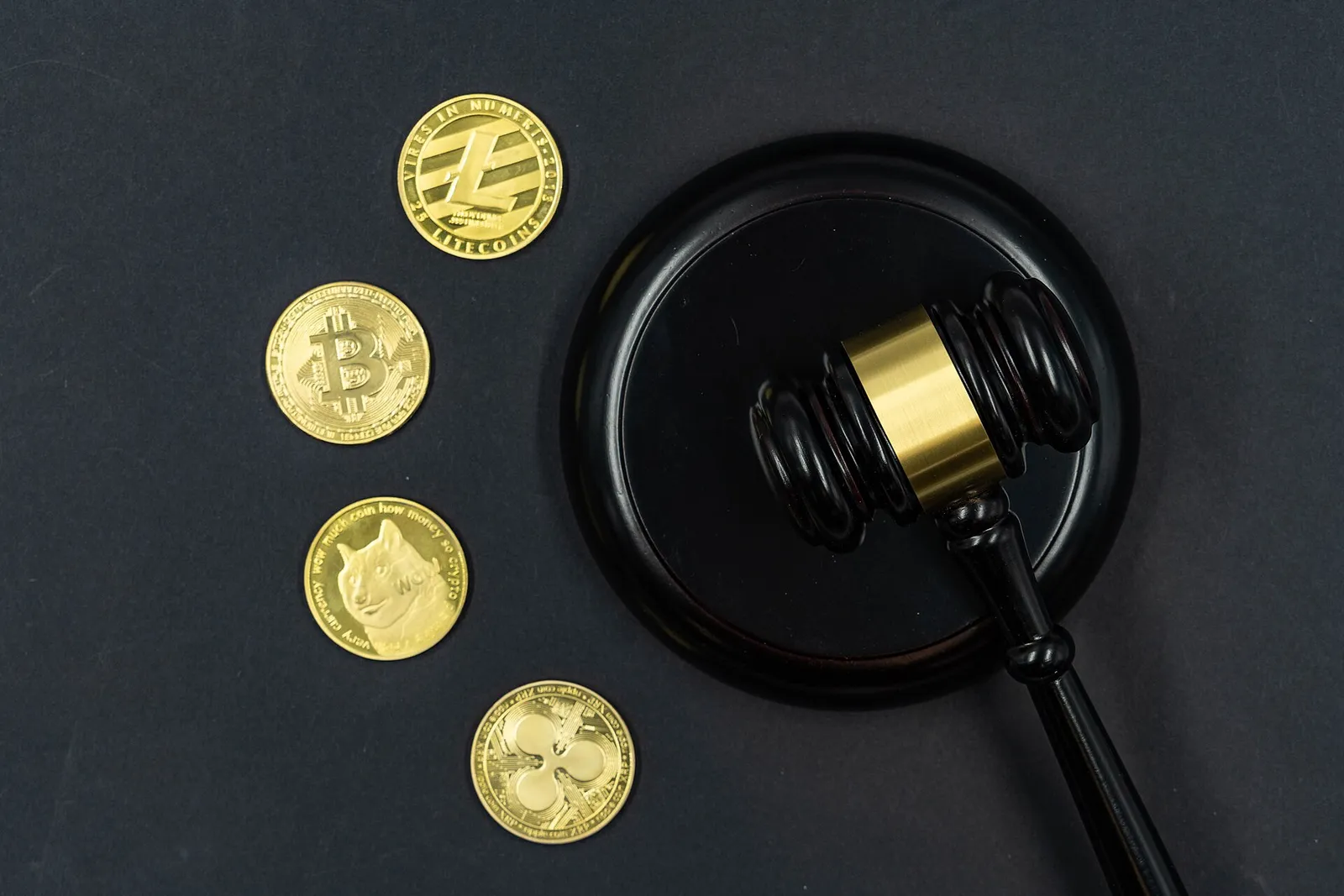
The case against is just as real. Bitcoin's price is extremely volatile, capable of swinging double digits in percentage terms within days. Unlike a company's shares or a bond, it produces no earnings, dividends or interest; its value rests entirely on what the next buyer will pay. Regulation still varies widely from country to country, from embrace to outright bans. And the energy consumed by proof-of-work mining draws persistent environmental criticism.
For anyone weighing it, the honest summary is that Bitcoin remains a young, experimental asset. Whether it settles into a lasting role as digital gold or proves to be something far less durable is still, genuinely, an open question. This article is informational and not investment advice.