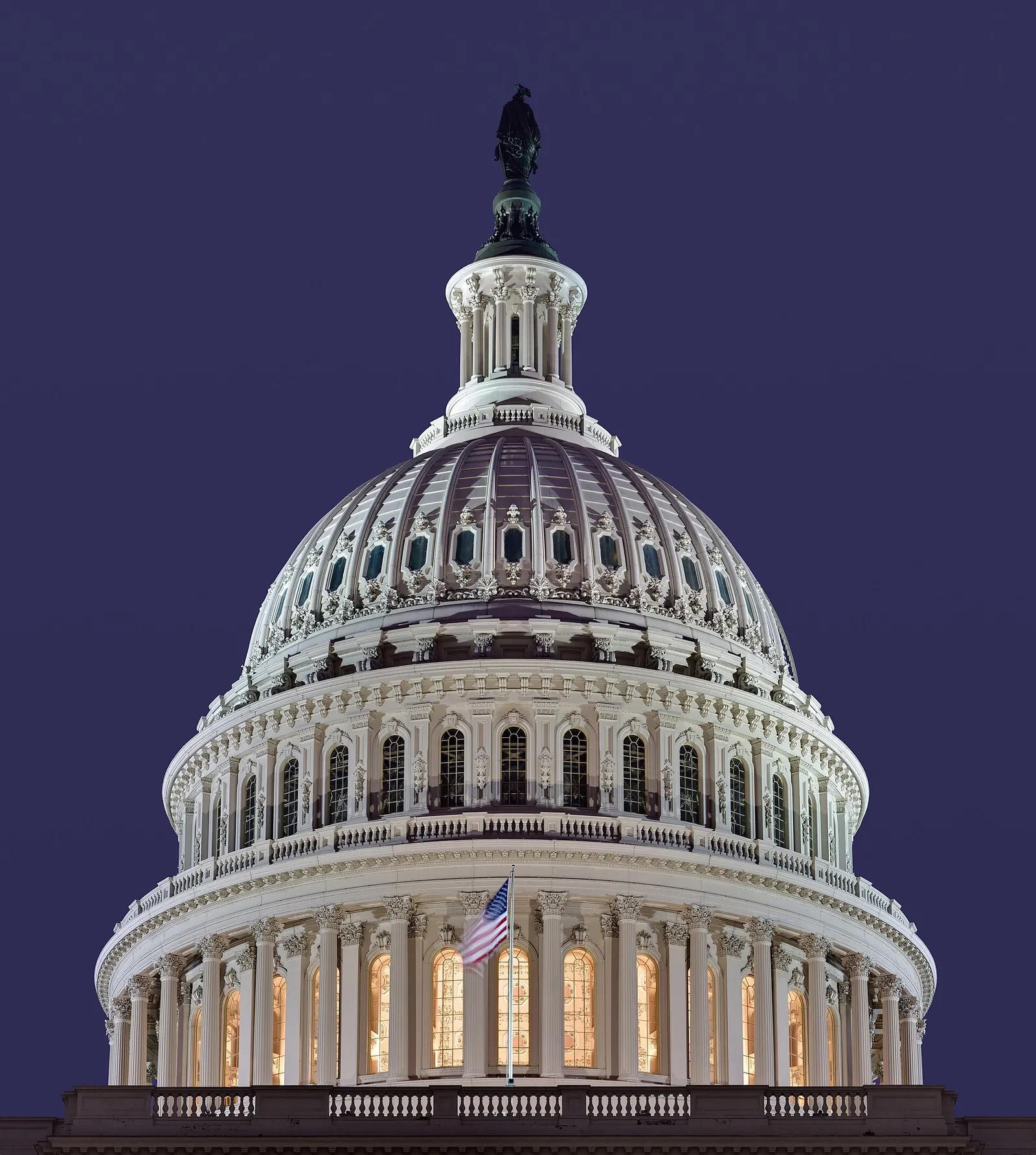
The U.S. Senate on Monday night passed a sweeping housing bill by a vote of 85-5, with a provision tucked inside it that would prohibit the Federal Reserve from launching a digital dollar for the next four years, according to Decrypt and The Block.
The legislation is the 21st Century ROAD to Housing Act, formally H.R. 6644 in the 119th Congress. Its core purpose is housing supply: it combines provisions from earlier House and Senate measures and adds a temporary bar on large institutional investors buying single-family homes. Senate Banking Committee Chair Tim Scott (R-S.C.) framed the underlying problem bluntly, saying "housing prices are too darn high and housing supply is too low," Decrypt reported. The committee's ranking member, Sen. Elizabeth Warren (D-Mass.), called it "the biggest housing bill in over 30 years."
What the CBDC provision does
The attached language prohibits the Federal Reserve from issuing or creating a central bank digital currency, or any digital asset "substantially similar" to one, through December 31, 2030, The Block reported. After that sunset, any future digital dollar would require explicit authorization from Congress rather than a unilateral Fed decision.
A central bank digital currency, or CBDC, is a digital form of a country's official money issued directly by its central bank — the Federal Reserve, in the U.S. case. Unlike a private cryptocurrency or a privately issued stablecoin, it would be a direct liability of the central bank. The bill's drafters were careful to carve out private stablecoins, exempting dollar-denominated assets described as "open, permissionless, and private," according to Bitcoin Magazine.
Why crypto advocates care
Many crypto advocates and Republican lawmakers argue a state-run digital dollar could let the government surveil or restrict individual transactions. President Donald Trump made that case in a January 2025 executive order, which warned that a U.S. CBDC would threaten "the stability of the financial system, individual privacy, and the sovereignty of the United States," Bitcoin Magazine noted. Treasury Secretary Scott Bessent has previously said a CBDC is "off the table."
It is worth keeping the practical stakes in perspective: there is no active federal CBDC project today, and the Fed has not committed to building one. The provision is best read as pre-emptive — locking in a policy stance rather than reversing one already under way.
What happens next
Because the Senate amended the bill, it returns to the House for another vote, The Block reported. Republican leaders signaled they could move quickly, potentially within a day of Senate passage. If the House agrees to the Senate's version, the measure would go to President Trump for his signature. Until both chambers pass identical text and the president signs, the CBDC ban is not yet law.