This is general information, not investment advice.
Most investing bets that a price goes up. Short selling bets the opposite — and the risk runs the wrong way.
What short selling is
To short a stock, you borrow shares from your broker, sell them at today's price, and aim to buy them back later at a lower price to return them — pocketing the difference. The repurchase is called buy-to-cover. The SEC describes a short sale as "the sale of a stock you do not own (or that you will borrow for delivery)." It requires a margin account, and while the position is open you pay a borrow fee and must cover any dividends — both of which eat into gains.
Investors short for two reasons: to profit from a stock they think is overvalued (activist short-sellers like Hindenburg publish research arguing a company is unsound), and to hedge other holdings.
The risk that runs backward
Here's the catch that makes shorting dangerous. When you buy a stock, the worst case is it goes to zero — you lose what you paid. A short seller faces the reverse: a stock can rise without limit, so losses are theoretically unlimited, as the SEC warns. If losses mount, the broker issues a margin call for more collateral; fail to meet it and you can be forced to buy back at any price.
Measuring the pressure
Two figures gauge how crowded a short is. Short interest is the number of shares sold short, usually shown as a percentage of the float (the freely tradeable shares); FINRA publishes it twice a month. Above ~20% of float is elevated; above 50% is extreme. Days-to-cover divides short interest by average daily volume — an estimate of how long it would take shorts to all buy back at normal trading volume.
What a short squeeze is
A short squeeze starts when a heavily shorted stock rises instead of falling. Rising prices hurt the shorts; some begin buying back to cap losses; that buying lifts the price further, forcing still more shorts to cover — a self-reinforcing loop that can push a price far above any fundamental value. It ends when shorts have mostly covered or buyers sell out.
GameStop, 2021
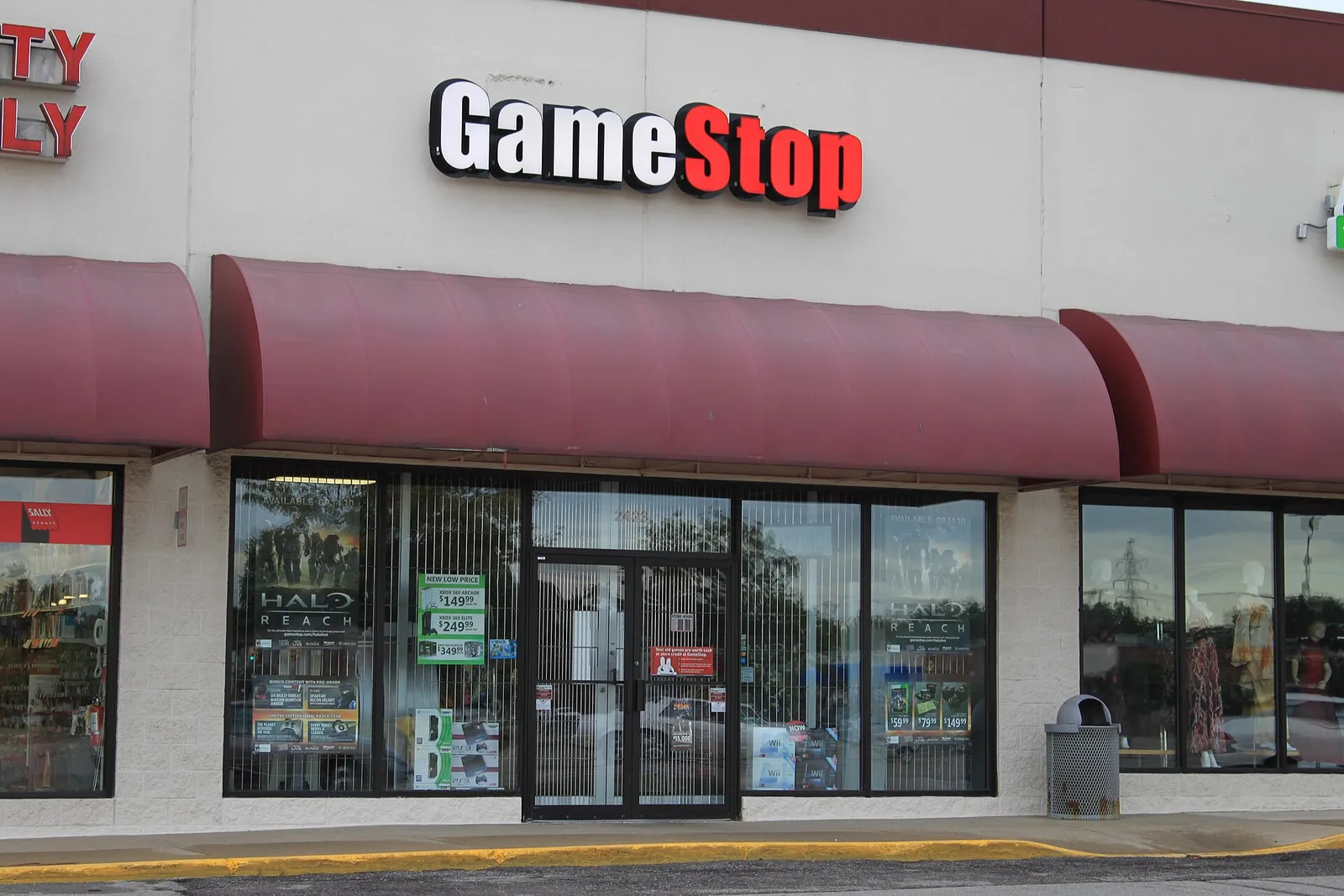
The textbook case: heading into January 2021, roughly 140% of GameStop's float had been sold short (possible because borrowed shares get re-lent). Retail traders on Reddit's WallStreetBets spotted it and bought shares and call options en masse. The stock, under $20 at the start of the month, hit an intraday $483 on January 28. Short-selling funds racked up nearly $20 billion in losses by late January; Melvin Capital lost about 49% of its portfolio that quarter and took a multibillion-dollar rescue infusion. Congressional hearings and an SEC market-structure review followed.
Volkswagen, 2008
An even larger squeeze by dollar losses: in October 2008, Porsche revealed it controlled about 74% of Volkswagen via shares and options, leaving only a sliver of free float against a large short position. VW shares rocketed from around €200 past €1,000 in two days, briefly making it the world's most valuable company — before falling back. Short sellers lost an estimated $30 billion.
The options angle, and the warning
Squeezes can be amplified by a gamma squeeze: when traders pile into call options, the dealers who sold them buy the underlying stock to hedge, adding more fuel as the price climbs. For ordinary investors, the lesson is caution. By the time a squeeze is in the headlines, the stock may be far above any value the business supports, and squeezes reverse hard — GameStop fell from $483 to below $50 within weeks. Regulators haven't banned short selling (the SEC's Regulation SHO governs it and curbs abusive "naked" shorting) precisely because shorts aid price discovery and can expose fraud. But chasing — or fighting — a squeeze is among the fastest ways to get hurt in markets.