This is a consumer explainer; for the news on the Fed ruling itself, see our earlier report.
The Supreme Court issued a pair of decisions that, taken together, look like a split verdict on how independent government agencies should be from the president. It preserved the Federal Reserve's unusual protection from political firing, while it weakened that protection for other agencies — including the Federal Trade Commission (FTC), the government's main consumer-protection cop, as CNBC and others reported. Here's why both halves matter for your wallet.
The two rulings, briefly
On the Fed, the Court ruled the president could not (for now) remove Governor Lisa Cook, finding she wasn't given the proper process before the attempted firing; the Fed's "for cause" removal shield stands. On the FTC, the Court overturned a long-standing 1935 precedent (Humphrey's Executor) that had protected commissioners at independent agencies from being fired at will — effectively giving the president more power to remove them.
Why the Fed half matters to you
The Federal Reserve sets the country's benchmark interest rate, and that rate flows into your daily finances — what you pay on a mortgage, car loan or credit card, and what you earn on savings and CDs. The reason economists prize an independent Fed is simple: if rate decisions are driven by the economy and inflation rather than by politics, borrowing costs and prices tend to be more stable and predictable. The fear with a politically controlled Fed is pressure to keep rates artificially low (say, before an election), which markets worry could stoke inflation and unsettle the dollar and bonds. By keeping the Fed insulated, the Court left that structure intact.
Why the FTC half matters to you
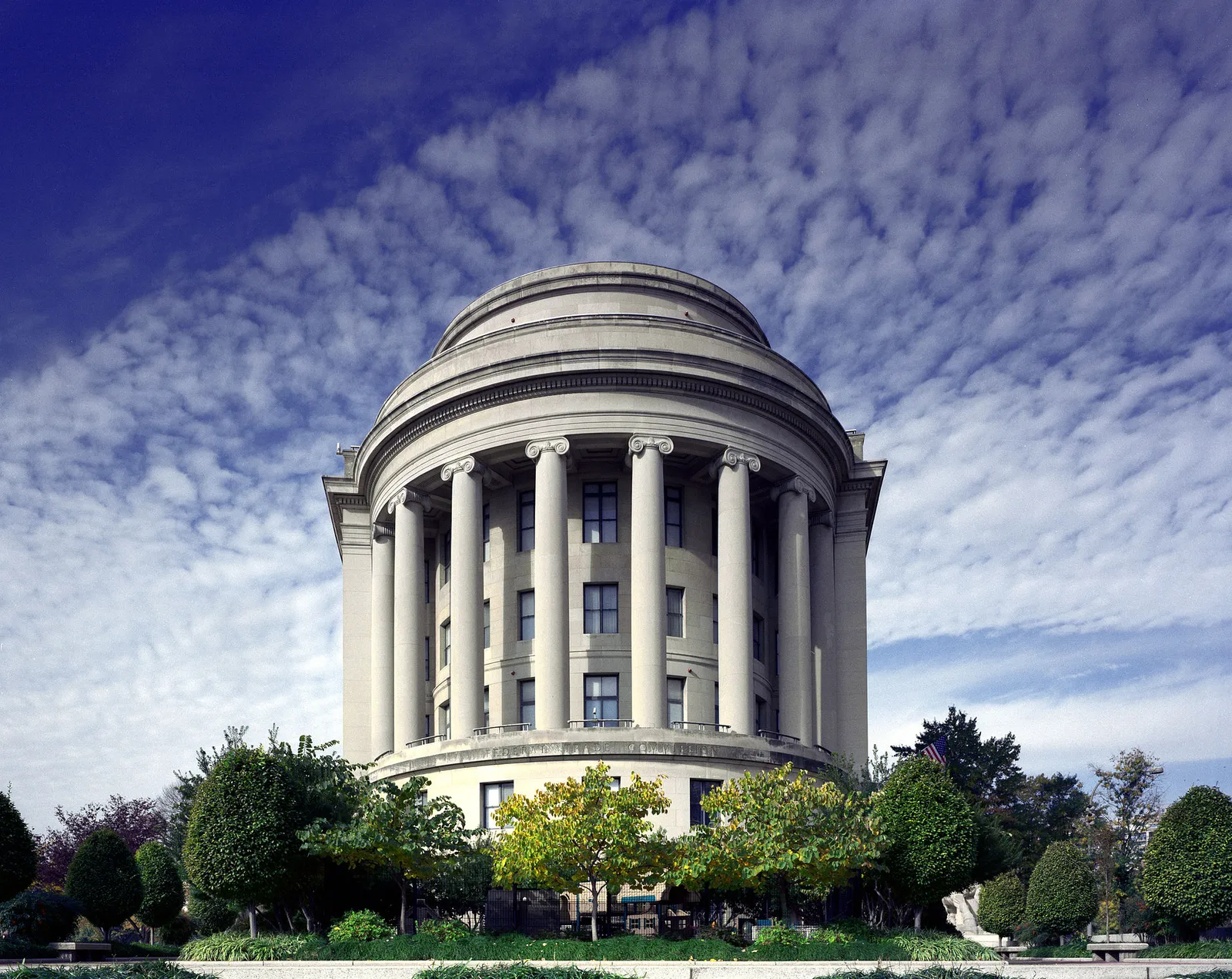
The FTC is the agency that polices scams, fraud, deceptive ads, "junk fees," and data-privacy abuses — the everyday stuff that hits consumers' wallets. The scale is real: Americans reported losing $3.5 billion to imposter scams in 2025 alone, by the FTC's own data. When an agency's leaders become easier to remove, its enforcement priorities can shift more readily with the politics of the moment — which industries it scrutinizes, how aggressively it pursues fraud and hidden fees, where it focuses on privacy. That's the stake: not that protections vanish overnight, but that the continuity and independence of consumer-protection enforcement become more exposed to political change. (Supporters of the ruling argue the flip side — that more presidential control means more accountability.)
What it means for your money
Three practical takeaways:
- Borrowing costs: an independent Fed tends to support predictable rates on mortgages, loans and credit. The Court preserved that.
- Consumer protections: the FTC's agenda — the scams and fees it targets, and how hard it pushes — can now swing more easily with each administration. Worth watching if you rely on those protections.
- Timeline: these are structural shifts in how institutions work, with indirect, gradual effects — not an overnight change to your next statement. And the Cook case isn't fully settled; a proper removal process could still play out.
The bottom line
Strip away the legal machinery and the question is about distance from politics: how much should agencies that set your interest rates or guard you from fraud answer to the president? The Court drew the line in two different places — strong independence for the Fed, weaker for the FTC. For households, that means the predictability of borrowing costs got a measure of protection, while the steadiness of consumer-protection enforcement got a little less. Neither changes your finances tomorrow; both shape the rules that quietly govern your money over time.