The AI-spending anxiety that has hammered U.S. technology stocks this month found its most exposed target overnight: SoftBank.
The move
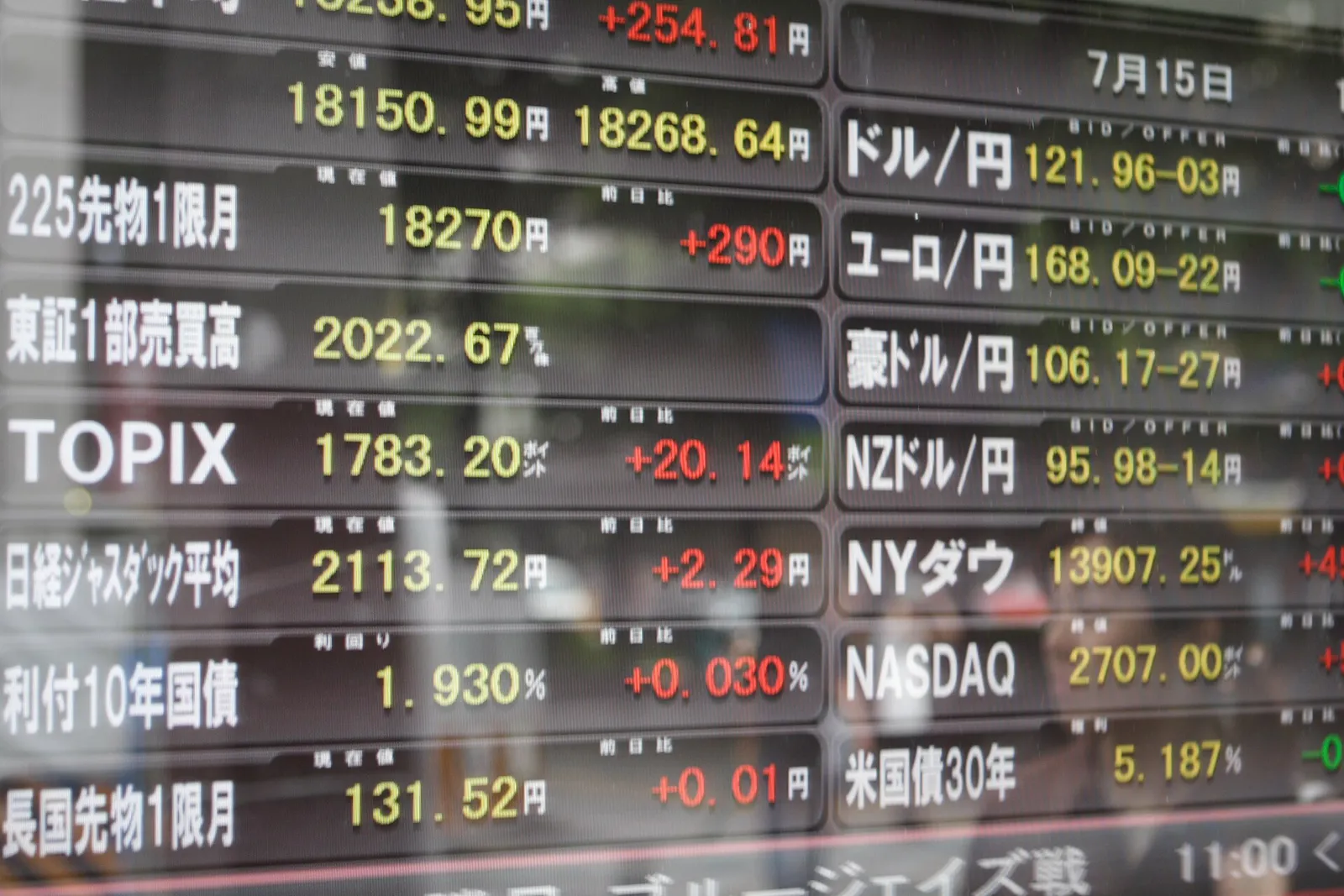
SoftBank Group fell more than 11% on Friday in Tokyo, leading declines across Asian technology shares, CNBC reported. The drop came after the Nasdaq Composite fell for a fourth straight session on Wall Street, and as Arm Holdings — the chip designer SoftBank controls — slid 3.2% in U.S. trading overnight. Regional chip and AI-linked names came under pressure alongside it, from Japan to South Korea to Taiwan, in a now-familiar pattern: weakness in U.S. tech is handed to Asia when its markets open.
What's driving it
The underlying worry is the one we have tracked all month: the world's largest technology firms are spending unprecedented sums on AI data centers, and investors increasingly question whether the revenue will justify it. That fear drove Microsoft to its worst month since 2000 and has dragged on the whole "AI trade." When the doubt resurfaces in New York, it reprices AI-exposed stocks everywhere — and few markets are more AI-exposed than Asia's chipmakers and tech investors.
Why SoftBank gets hit hardest
SoftBank is, in effect, a leveraged bet on artificial intelligence. It owns roughly 90% of Arm, whose chip designs sit at the center of the AI build-out, and it has committed tens of billions of dollars to OpenAI through its Vision Fund, a stake set to become one of the largest pieces of its portfolio. That concentration cuts both ways: when AI sentiment is strong, SoftBank soars; when it sours, the same leverage amplifies the fall. Analysts have long described buying SoftBank as a high-octane way to bet on OpenAI's success — a tailwind if it delivers, a drag if it doesn't. Adding to the unease, OpenAI is reportedly weighing a delay to any public listing, which would push back the payoff SoftBank is counting on. (We could not independently confirm the IPO-timing report.)
Correction or something bigger?
Analysts are split, and we report the debate rather than call it. One camp frames June's global slide as a valuation reset after a huge run, arguing the structural demand for AI infrastructure — chips, data centers, networking — remains intact. The other points to a stubborn gap between accounting profits and actual cash: every dollar poured into GPU clusters is spent now, while the returns arrive slowly, if at all. SoftBank's founder Masayoshi Son has dismissed bubble talk, telling Nikkei it would be "blasphemy against AI" to call the moment a bubble and likening it to the early internet.
What it means
For investors, SoftBank's plunge is a reminder of how concentrated the AI trade has become — and how quickly a New York sell-off becomes a Tokyo one. The next signals to watch are whether U.S. mega-cap tech stabilizes and whether the AI spenders can show the returns skeptics are demanding. Until then, the most leveraged AI bets will keep swinging hardest in both directions. This is analysis of a fast-moving market, not a forecast or investment advice.