This is a preview of upcoming data; all figures here are estimates, not reported results.
Tesla will publish its second-quarter 2026 vehicle deliveries in early July, and Wall Street is positioned for a modest recovery after a difficult stretch. Analyst consensus points to roughly 400,000-plus vehicles for the quarter, per Electrek, with some banks more upbeat — Goldman Sachs and Morgan Stanley have nudged their estimates toward the low-to-mid 410,000s, Investing.com reported. The throughline of the bullish case: Europe and China are improving enough to outweigh a soft United States.
Why deliveries matter
Deliveries — the number of cars actually handed to customers in a quarter — are Tesla's single most-watched operating figure. They drive revenue and, just as importantly, sentiment: Tesla's stock routinely swings on whether the number beats or misses expectations. (Deliveries differ from production, which is how many cars Tesla builds; the gap reflects cars in transit.)
The regional split
The story this quarter is divergence:
- Europe, weak through much of 2025, has shown a clear pickup in registrations this spring, analysts say — a notable turnaround helped by Tesla's refreshed models and broader EV-market growth. (Specific monthly registration figures vary by source and country and are best treated as directional.)
- China, Tesla's second-largest market, has shown signs of stabilizing after a soft patch, with domestic sales firming versus both a year earlier and the prior month, according to Morgan Stanley's read.
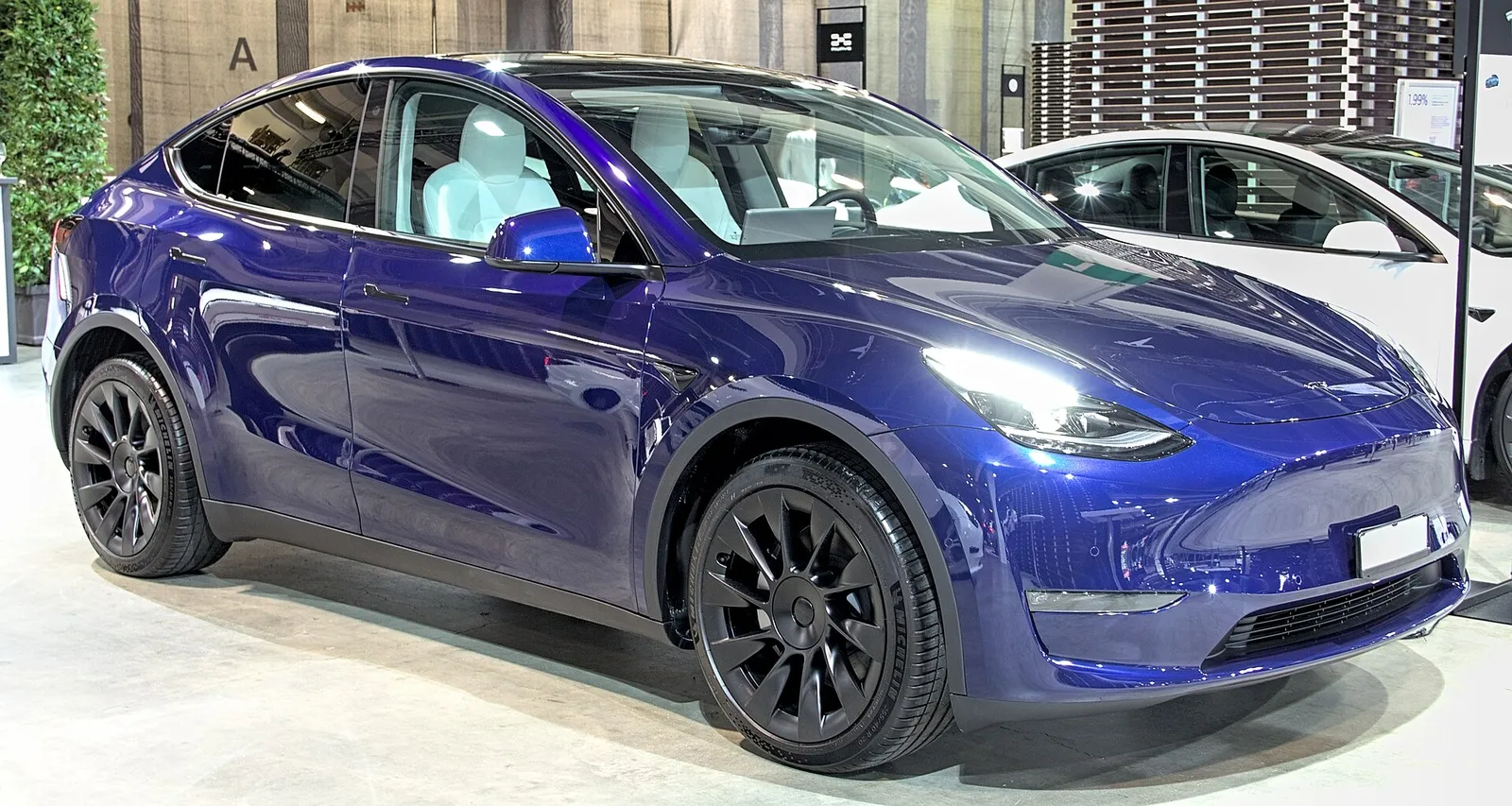
- The United States, Tesla's biggest market, has stayed soft, pressured by the lapse of federal EV tax incentives and an aging lineup still leaning heavily on the Model Y.
The backdrop
Tesla has spent the past year navigating real headwinds: fierce competition from Chinese EV makers like BYD (a dynamic Boursel covered in Toyota's China slump), an aging model range, brand and political friction in some markets, and the disruption of rolling out refreshed versions of its core models. Deliveries have been pressured as a result, which is why even a flat-to-modestly-higher quarter would be read as stabilization.
What to watch
When the number lands, the key is expectations versus reality. A figure above consensus would support the thesis that international demand is recovering fast enough to offset US weakness — a relief for the stock. A miss would suggest the model refreshes and overseas momentum haven't yet turned the tide. Either way, Boursel won't forecast where the stock goes; the point is that deliveries are the cleanest near-term read on whether Tesla's slump is bottoming or persisting. Treat the pre-report estimates as a range of guesses, not gospel — analysts regularly miss this print in both directions, and the only number that counts is the one Tesla reports.