The infrastructure built to mine bitcoin is increasingly being repointed at artificial intelligence. Bitdeer Technologies, a Nasdaq-listed bitcoin miner, said its subsidiary has signed a colocation lease for a 180-megawatt AI data center at Tydal, in central Norway, per a company announcement. The site is to be built out for the latest Nvidia GPUs and targeted for completion around the end of 2026.
A caveat up front: the lease is not yet effective — it's contingent on the counterparty finalizing certain customer and supplier arrangements — and Bitdeer said it will disclose financial terms once it is. So treat this as a signed-but-conditional deal, not a closed one.
The terms, in plain English
A colocation lease means Bitdeer is taking space and power at a facility to house computing hardware. 180 megawatts is a lot of electricity — enough to run a substantial data center — and capacity, measured in megawatts, has become the key currency of the AI build-out, because the binding constraint on AI is increasingly power, not just chips. The plan, per the company, is to fill the site with Nvidia's newest accelerators and serve AI compute demand rather than mine crypto.
Why Norway
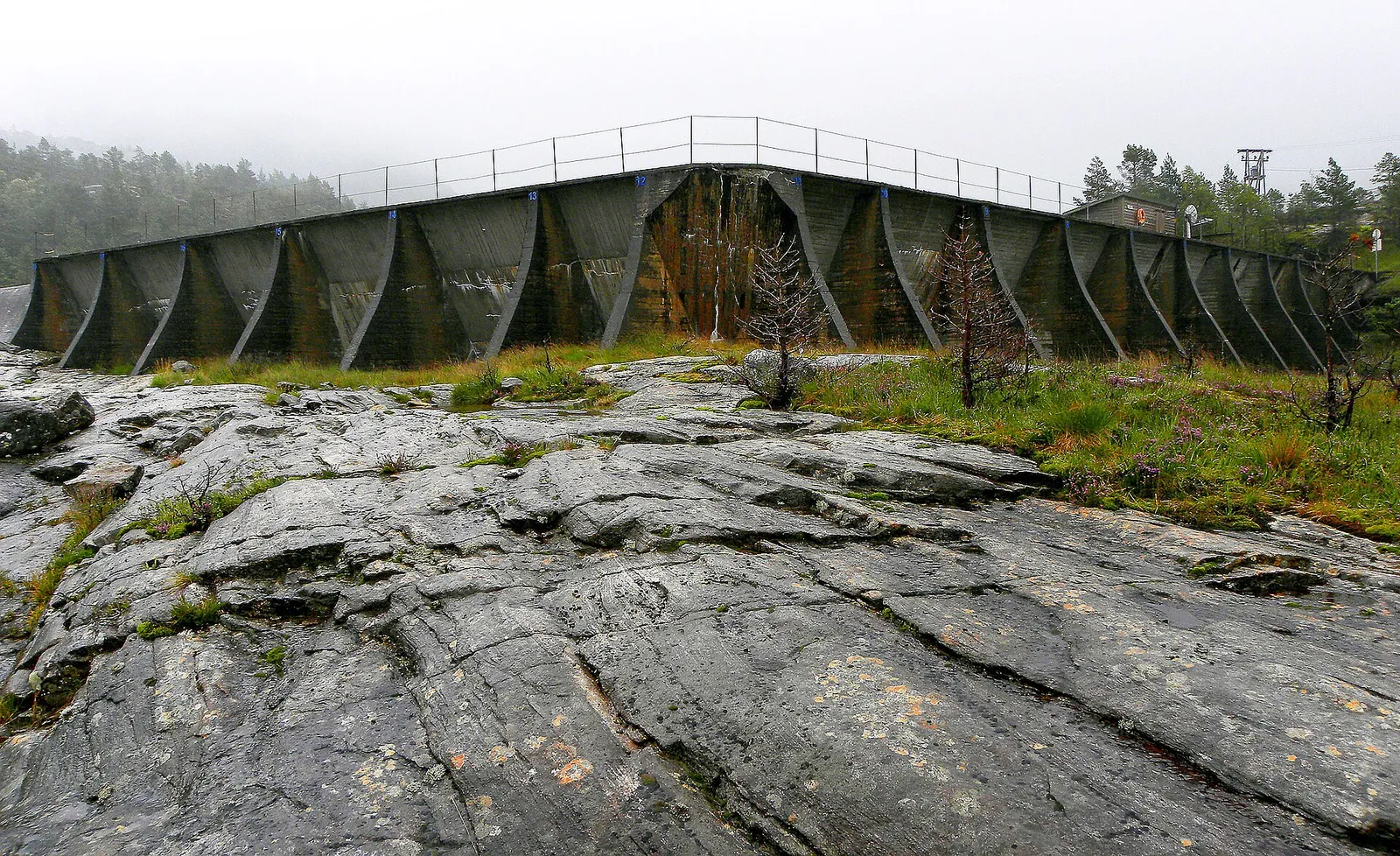
The location is no accident. Norway offers cheap, abundant hydroelectric power, a cool climate that eases the enormous cooling needs of dense AI hardware, and existing data-center know-how, as Bitcoin.com noted. The Tydal facility is slated to run on carbon-free hydropower and use advanced cooling, with plans to recycle waste heat — the kind of energy-and-climate math that makes the Nordics a magnet for power-hungry compute.
Miners pivot to AI
Bitdeer is riding a powerful industry shift. Bitcoin miners spent years building exactly what the AI boom now craves: large sites, secured power contracts, and cooling at scale. As mining margins have grown thinner and more volatile, miners have rushed to repurpose that infrastructure for AI — a far steadier, fast-growing source of revenue.
The pattern is everywhere in the sector. Marathon Digital struck a deal to convert mining facilities into AI data centers; Hut 8 and TeraWulf have signed large, long-term AI/compute contracts; and analysts increasingly model AI becoming a major share of listed miners' revenue. (Some sector-wide dollar projections circulating are best treated cautiously, but the direction — miners becoming AI landlords — is unmistakable.)
Why it matters
For Bitdeer, the deal is diversification away from a single, cyclical revenue stream toward the most sought-after commodity in tech: AI compute capacity. For the broader market, it's another data point in a story Boursel keeps returning to — that the AI era's real bottleneck is physical (power, sites, cooling and chips), and that whoever already controls those assets, including former crypto miners, is racing to monetize them. The Tydal lease still has to clear its conditions. But the strategic logic behind it is the same one reshaping power grids and data-center maps worldwide: the demand for somewhere to plug in AI is, for now, close to insatiable.