Every crisis produces a relative winner, and in the standoff over the Strait of Hormuz, that winner — at least for now — is China, the New York Times argues. It's a paradoxical position: Beijing benefits from the fallout while also being the economy with the single biggest stake in the strait staying open.
The discounted prize
China is the destination for the overwhelming majority of Iran's crude oil exports — Tehran, frozen out of Western markets by sanctions, has few other buyers. With the recent turmoil softening demand and pitting suppliers against each other, Iranian (and Russian) crude has been offered to Chinese refiners at a discount to global benchmarks. For the world's largest oil importer, locking in cheap, sanctioned barrels eases the import bill and pads refinery margins.
In other words, a cornered Iran is a cheaper supplier, and China is the customer positioned to capture that discount.
The chokepoint it cannot afford to lose
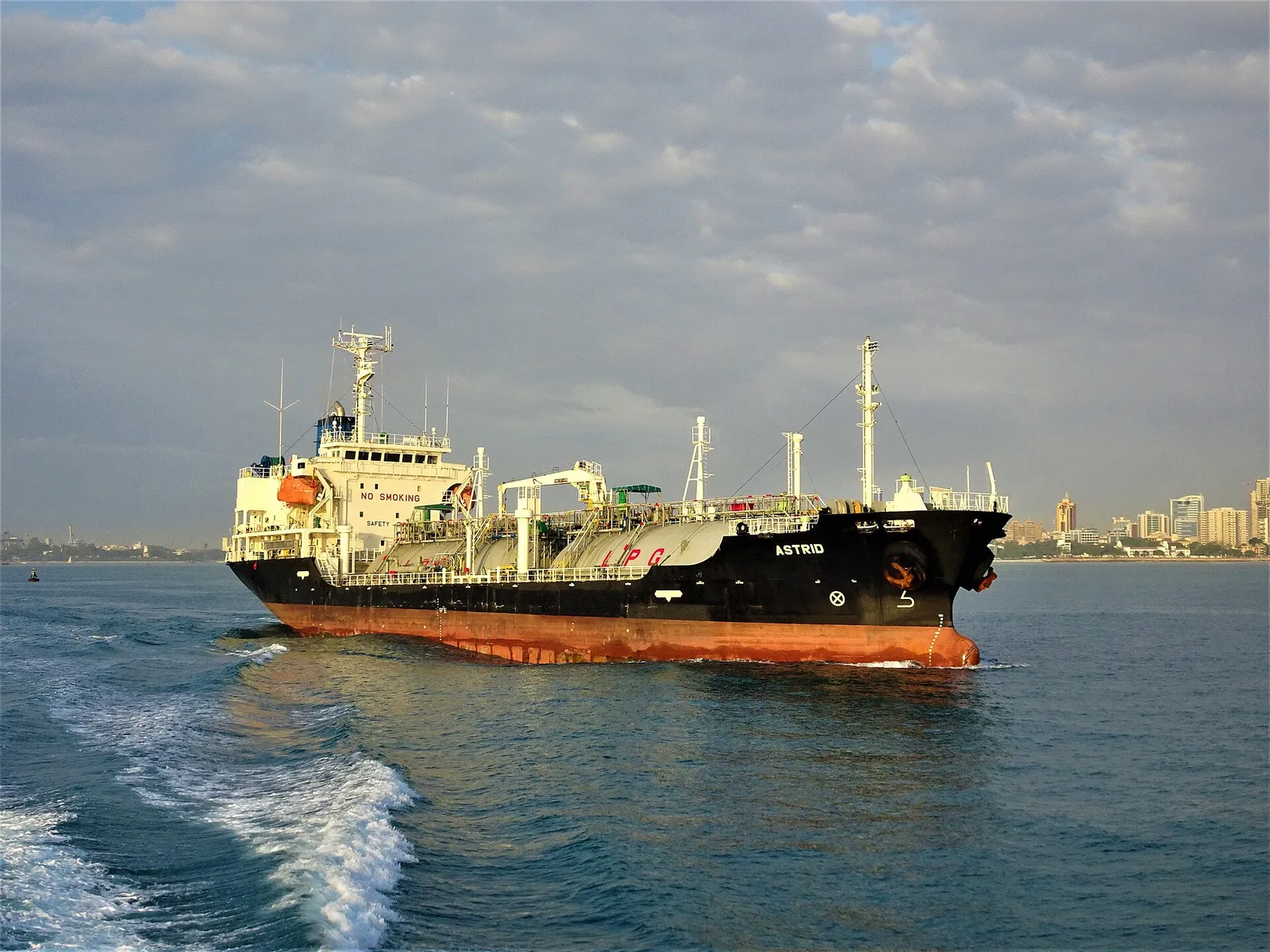
Here is the catch. The Strait of Hormuz is the world's most important oil chokepoint: roughly a fifth of global oil supply passes through the narrow waterway between Iran and Oman, according to the US Energy Information Administration. And no major economy leans on it more than China, which sources a large share of its imported oil from the Gulf. A functioning-but-tense Hormuz suits Beijing; a closed Hormuz would hit China harder than almost anyone.
That dependence is why China has worked to keep oil flowing even amid the disruption, and why analysts see its interests as aligned with de-escalation — a point underscored when US officials noted it is firmly in China's interest to see the strait reopened.
The diplomatic angle
China has paired its commercial advantage with a diplomatic one: positioning itself as a calm, neutral broker urging restraint and open navigation, while the United States is drawn into the military confrontation. The economics are unambiguous — Iran's oil flows almost exclusively to China — but Beijing frames its role as that of a stabilizer rather than a combatant, accruing soft-power credit across the region in the process.
The hidden risk
"Relative winner" is the key phrase — relative to the US, not risk-free. China has built buffers: large strategic oil stockpiles and a gradual diversification of supply away from the Middle East over the past decade. But those cushions only stretch so far. A genuine, sustained closure of Hormuz would choke the oil that powers Chinese industry faster than it would hurt more energy-independent economies like the US. China's edge today is a product of a crisis that, taken one step further, could become its biggest vulnerability.
Why it matters
For markets, the episode is a reminder that energy security is geopolitical power. China's ability to soak up discounted sanctioned crude strengthens its hand and softens the intended bite of Western sanctions on Iran, while its dependence on Hormuz gives it a powerful incentive — and growing leverage — to push for calm in the Gulf. As Boursel has tracked through the oil price's wild swings this month, the Iran story keeps reshaping global energy flows. The latest twist is that the country gaining the most from the turmoil is the one watching the strait most nervously of all.