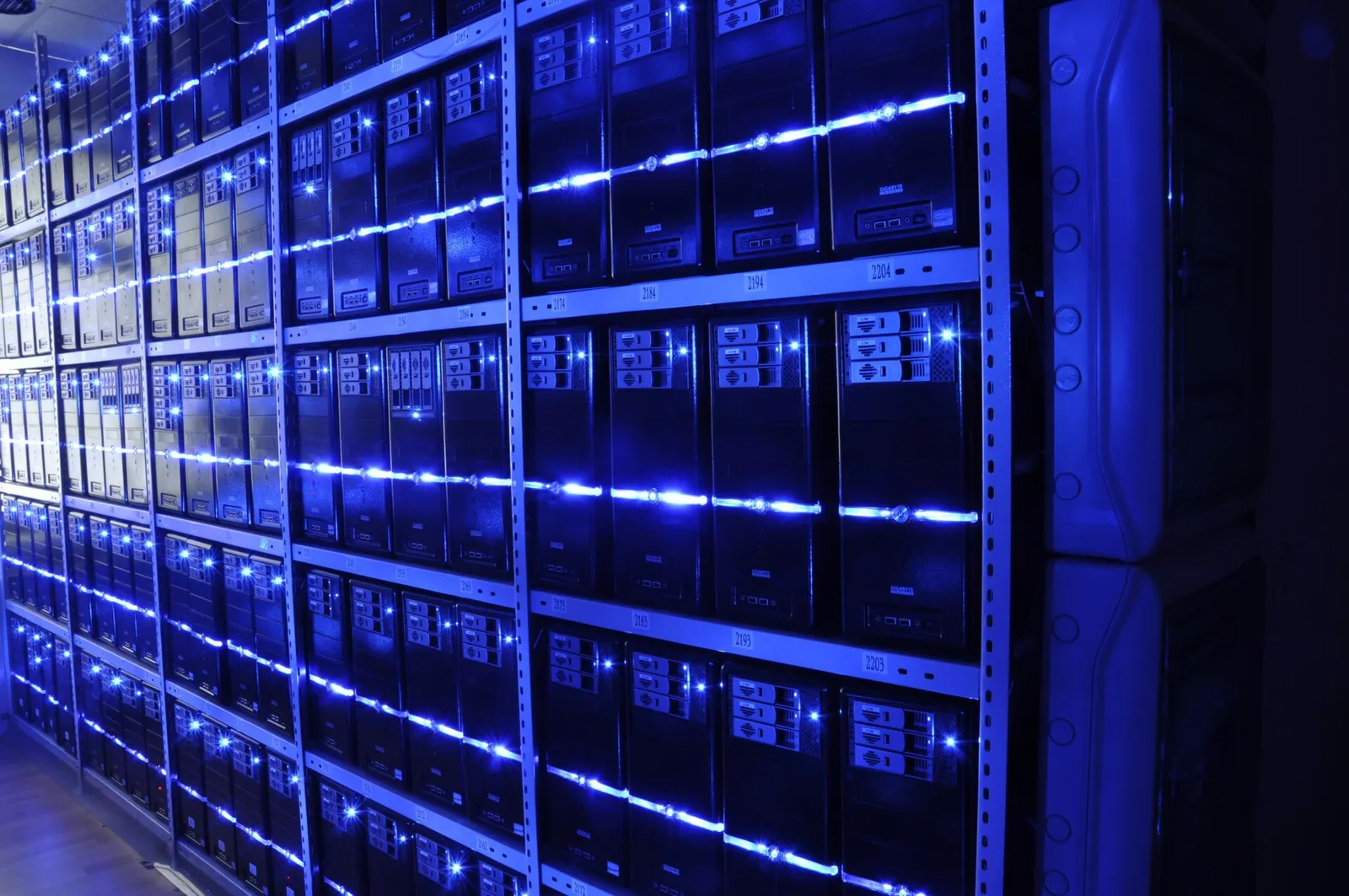
A multitrillion-dollar build-out of artificial-intelligence infrastructure is colliding with one of Wall Street's most reliable habits: buying back stock. According to a Deutsche Bank strategy note, the surge in corporate capital spending is large enough to start competing with share repurchases — a shift worth watching because buybacks have been a major, steady buyer of U.S. equities.
The terms, in plain English
Capital expenditure (capex) is the money a company spends building and maintaining its long-term assets — in this case, AI data centers full of expensive chips. A buyback (share repurchase) is when a company uses cash to buy its own stock, shrinking the share count and creating steady demand for the shares. Both are drawn from the same pot: a firm's free cash flow, the cash left after running the business. That pot is divided through capital allocation — management's choices among capex, buybacks, dividends, acquisitions and paying down debt. When one bucket — capex — swells, the others tend to shrink.
What's actually happening
Across the S&P 500, annual capex has climbed from roughly $1 trillion to about $1.5 trillion over the past two years, Deutsche Bank said, and around two-thirds of that increase came from just five companies: Amazon, Microsoft, Alphabet, Meta and Oracle. These are the hyperscalers — the handful of firms that run the world's largest data-center fleets — and they are racing to build the computing capacity to train and run AI models.
That spending has to come from somewhere. The concern is that the cash these giants once funneled into buybacks increasingly goes into concrete, chips and power instead. Goldman Sachs has separately argued the AI build-out is so large that the companies doing it would need to generate enormous future profits — on the order of $1 trillion a year, Fortune reported — to justify it, well above current consensus expectations.
Why buybacks matter to the market
Buybacks are not a footnote. They have been one of the largest, most consistent sources of demand for U.S. shares for over a decade — a near-automatic bid that supports prices by mopping up supply. S&P 500 net buybacks hit a record $270 billion in the first quarter alone, with gross repurchases near $300 billion, per the Deutsche Bank data. If the biggest companies redirect that cash to data centers for years rather than quarters, a structural support for their own share prices — and for the index they dominate — gets thinner.
The other side of the ledger
Deutsche Bank's read is not alarmist. "Record corporate earnings continue to support shareholder returns despite a sharp rise in investment spending," the note said. Crucially, it found the rest of the S&P 500 — everything outside those five hyperscalers — actually lifted quarterly net buybacks by nearly 30% over the past year, helped by strong profits. Some of the very companies supplying the AI boom — chipmakers, power producers, data-center landlords — are earning more and buying back more as a result. So the buyback engine is shifting, not stalling.
What to watch
This is a tug-of-war over corporate cash, not a forecast. The question is concentration: a few enormous companies make up a huge slice of the index and, until recently, of its buybacks. If they keep favoring capex over repurchases, the market loses some of a long-reliable cushion — partly offset, on the supply side, by a wave of new tech share issuance and IPOs adding stock for investors to absorb. Neither Deutsche Bank nor Goldman has called a market outcome from this; both frame it as a real change in how corporate cash is being spent, whose effect depends on whether all that AI investment ultimately pays off.