After a weak 2025, the dollar has come roaring back — and the reasons say as much about the rest of the world as about America.
The move
The ICE U.S. Dollar Index (DXY), which measures the dollar against a basket of major currencies, traded around 101.5 in late June, its highest level since early 2025 and on a multi-week winning streak, per market data. That caps a first-half rebound after the dollar fell sharply through 2025. The strength shows up everywhere: the euro has slipped, the Japanese yen sits near multi-decade lows, and the South Korean won touched record lows this month.
Why it's rising
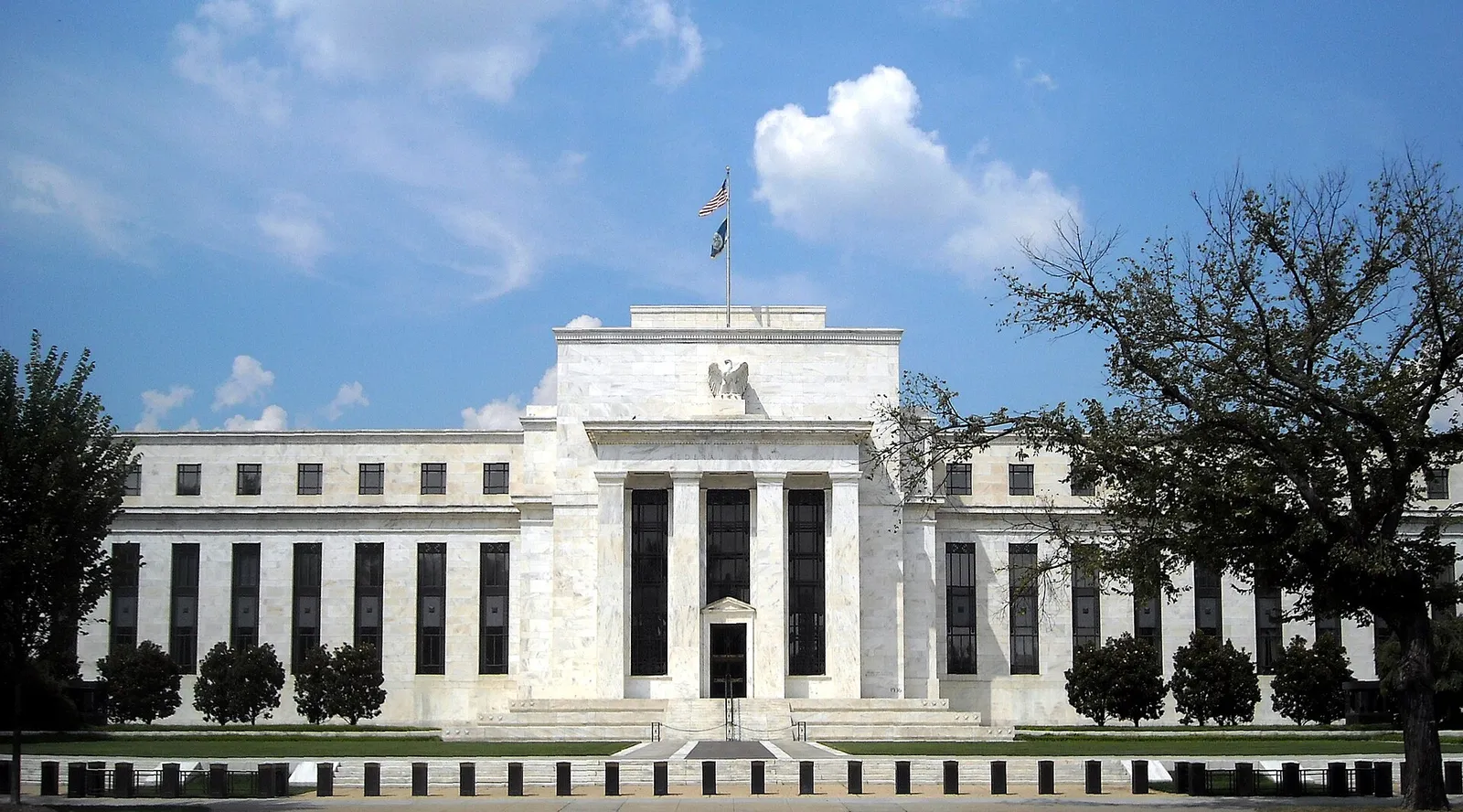
Strategists in a Reuters analysis point to a few reinforcing forces. First, interest-rate differentials: the Federal Reserve has signaled it is in no hurry to cut rates — and markets have even priced in some chance of hikes — keeping U.S. yields high relative to Europe and Japan, where policy is easier. Higher yields draw capital, and capital must be converted into dollars.
Second, a structural pull toward U.S. assets. "The United States — the winner takes it all," Mabrouk Chetouane of Natixis Investment Management told Reuters, citing U.S. leads in AI, computing and energy that are drawing global money into American markets. Stephen Jen of Eurizon SLJ made the corporate version of the point: foreign companies are investing heavily in the U.S., and that inbound money buys dollars. Third, safe-haven demand during this month's risk-off bouts — the tech sell-off and the Iran episode — has added a bid.
The risks
A one-way trade is a crowded one. The Reuters analysis notes that net long positioning in the dollar has built up rapidly — the kind of crowding that can unwind violently if the story shifts. And the longer-term picture is less flattering: U.S. fiscal deficits remain a structural worry that could eventually erode confidence in dollar assets, even if yield attraction masks it now. A faster-than-expected U.S. slowdown, an earlier Fed pivot to cuts, or a cooling of the U.S. tech-equity inflows could all take the wind out of the move. We report the thesis and the caveats; we don't forecast the level.
Why it matters
A strong dollar ripples worldwide. For the U.S., it makes imports cheaper — a mild brake on inflation — but it squeezes the overseas earnings of American multinationals, which translate back into fewer dollars. For emerging markets, it's a double bind: dollar-denominated debt gets costlier to service, and capital tends to flow out toward U.S. returns; South Korea and others are already managing the pressure. And because most commodities are priced in dollars, a stronger greenback makes oil, copper and gold more expensive for non-U.S. buyers, a quiet drag on demand.
The bigger picture is a global capital reallocation: when investors judge U.S. assets to offer the best risk-adjusted returns, money moves, and the dollar rises as a byproduct. What reverses it — weaker U.S. growth, a Fed pivot, a credible rival, or a tech-valuation reset — is precisely what to watch in the second half. This is analysis, not investment advice.