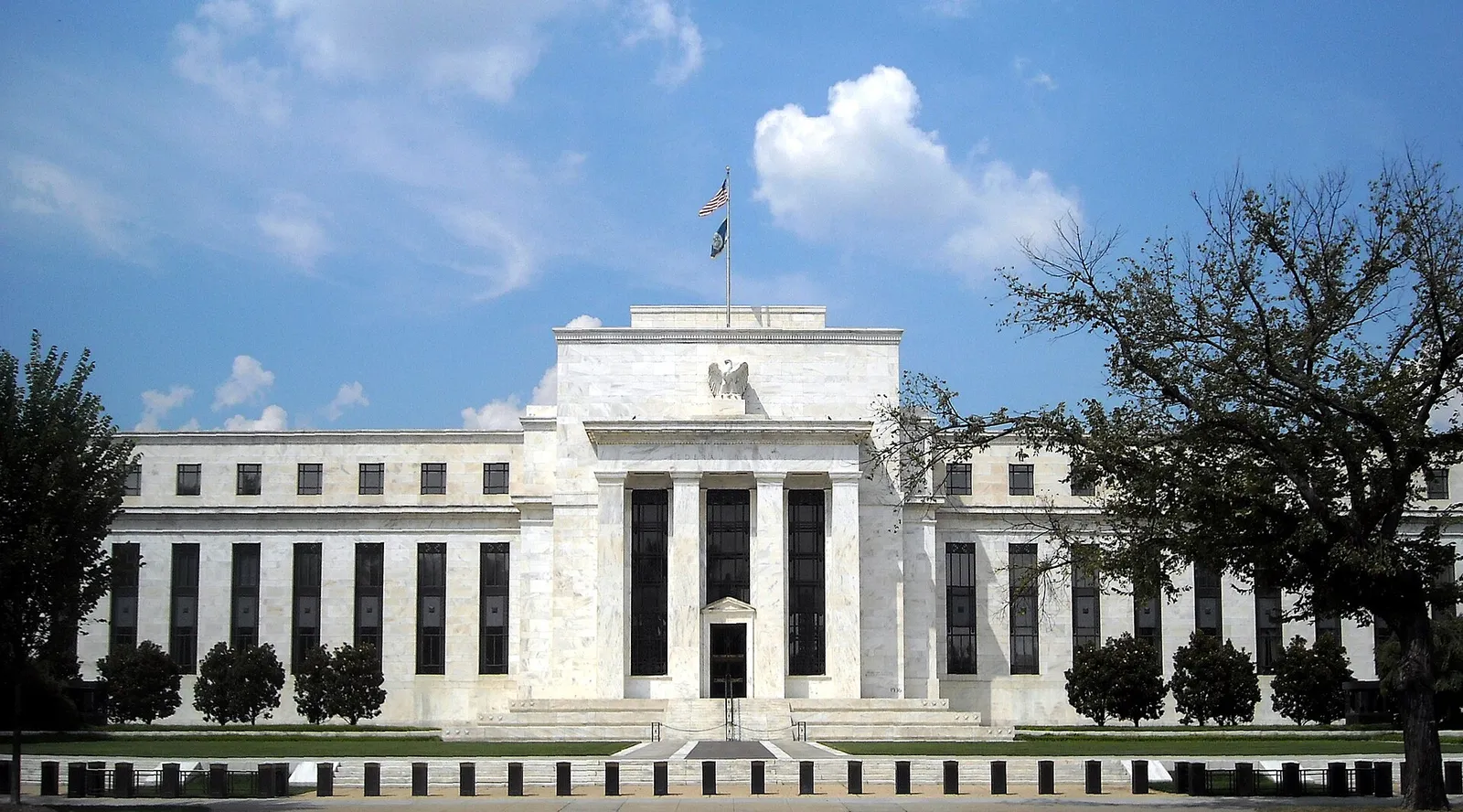
The US Federal Reserve is trying to fix a basic problem: it often does not know what the economy is doing until weeks after it happens. On July 9, Fed Chair Kevin Warsh announced five task forces to review how the central bank operates, and named the former Walmart chief executive Doug McMillon to co-lead one focused on economic data, the Fed said. The choice of a retail veteran is itself the message: the Fed wants to learn from businesses that see prices and spending as they happen.
The problem: policy on a delay
Central banks set interest rates based on data, but the data lags. The Consumer Price Index (CPI), the most-watched inflation gauge, lands around the middle of the following month and is built partly on surveys. Jobs and spending figures arrive with their own delays and get revised later. That means the Fed is often steering by a picture of the economy that is already several weeks old, and sometimes wrong.
Warsh has been blunt about it. He has complained that the Fed relies on "data that we get from government agencies with mismeasurement problems" and surveys he calls "no longer relevant", and has linked that to years of inflation running above the Fed's 2% target, as CNBC reported. His fix is to modernize the inputs, and he has said he wants new tools within nine to twelve months to read the economy in a "contemporaneous, real-time way".
Why a Walmart executive
That is where McMillon comes in. He will co-chair the data task force alongside two prominent economists, Harvard's Raj Chetty and the University of Chicago's Kevin Murphy, the Fed said. (McMillon is one of several private-sector figures Warsh has enlisted across the five groups; the venture capitalist Marc Andreessen is on another.)
The logic is that big retailers are, in effect, live inflation sensors. A company like Walmart sees prices, volumes and shifts in what shoppers buy across thousands of stores in real time, long before that behavior shows up in an official statistic. Someone who has run that kind of operation understands how such data is generated and how it might inform a faster, more granular read on inflation and demand. It is worth being precise, though: this is about McMillon's expertise guiding the Fed's approach, not a confirmed deal for Walmart to hand its sales data to the central bank.
The Fed is not starting from scratch
The idea of "alternative data" is not new to the Fed. Its researchers already use retail "scanner" data, barcode-level prices gathered across tens of thousands of outlets, and several regional Fed banks publish more frequent inflation estimates, such as the Cleveland Fed's daily "nowcast", that run ahead of the official CPI. The task force is an attempt to pull these threads together and go further.
The catches
Faster data is not free of risk. One retailer, however large, is not the whole economy; its shoppers skew toward certain incomes and regions, so its prices may not represent everyone's. There are privacy and competitive concerns whenever detailed transaction data changes hands, even anonymized. And there is a subtler worry about independence: a central bank leaning on data or advice from a handful of private firms must guard against giving any one company undue influence over policy that affects everyone.
Why it matters
How the Fed reads the economy shapes the interest rates that ripple through mortgages, business loans and markets worldwide. If the central bank can genuinely see inflation and spending sooner, it could react faster and make fewer mistakes, a real prize after a bruising inflation cycle. But the effort also raises hard questions about representativeness, privacy and the proper distance between public policy and private business. The task forces are due to report recommendations by the end of the year, and this one could quietly reshape the numbers the world's most important central bank watches. This article is informational and not investment advice.