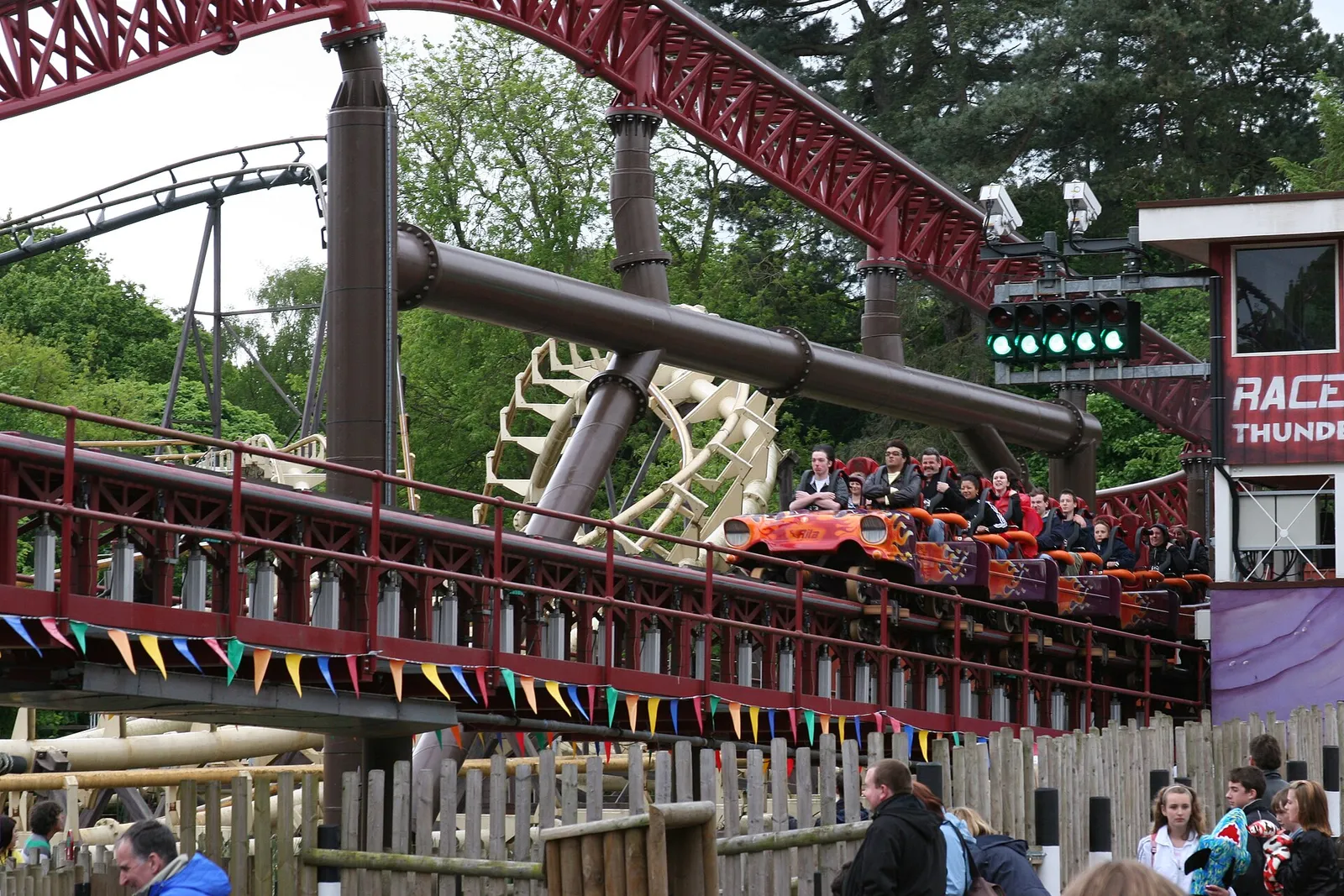
Britain has temporarily slashed one of its consumption taxes for the summer, in a cost-of-living measure aimed squarely at families. From June 25 to September 1, 2026, the government is applying a 5% rate of value-added tax, down from the standard 20%, to a defined set of family attractions and children's meals across England, Wales, Scotland and Northern Ireland.
What VAT is
Value-added tax is a consumption tax charged on most goods and services in the UK and ultimately paid by the buyer. The standard rate is 20%, though a few categories — domestic energy, children's clothing — already sit at a reduced or zero rate. The summer measure, branded "Great British Summer Savings," adds a temporary new tier timed to the school holidays.
What qualifies
HM Revenue & Customs has set out three categories in its guidance:
- Family attractions: admission to amusement and theme parks, zoos, aquariums, museums, fairs, circuses, adventure and soft-play centres and similar attractions. For these, the reduced rate applies to all visitors, adults included.
- Children's and family entertainment: children's and family-package tickets to cinemas, theatres, concerts, shows and exhibitions. Adult-only tickets stay at 20%.
- Children's restaurant meals: meals from a dedicated children's menu, eaten on the premises. Takeaways do not qualify, and an adult ordering off the children's menu does not, either.
Sports facilities and pay-per-ride attractions are excluded.
The rationale
The government is framing the cut around household budgets. Chancellor Rachel Reeves described it as helping with "the little treats in life while boosting business across the UK," and the measure runs alongside free local bus travel for children aged 5 to 15 in England through August. The hospitality and leisure industry has lobbied for VAT relief since pandemic-era cuts ended in 2022, arguing the 20% rate leaves UK attractions uncompetitive with European peers.
What it means for prices
The government has not ordered businesses to cut prices but says it "expects" them to pass the savings on, and has highlighted that major operators have agreed to do so. Because VAT is collected by the seller and remitted to the tax authority, a business that lowers its shelf price loses no margin: with full pass-through, a 20%-to-5% cut works out to a price reduction of roughly 12.5%. HM Treasury's illustrative figures put the saving at around £20 off a theme-park visit for a family of four and a couple of pounds off a child's restaurant lunch.
In practice, pass-through is not guaranteed. The change was announced on May 21, leaving businesses only a few weeks to update tills, booking systems and pricing across multiple sites, and accountants have flagged compliance risk — VAT is owed based on the date of admission or consumption, not the date of booking, which complicates advance sales.
The fiscal context
The Treasury estimates the scheme costs about £300 million, with final figures to be certified by the independent Office for Budget Responsibility at a future fiscal event. Its short, 68-day span limits the revenue hit relative to a permanent cut — which is what industry groups actually want. Britain has tried targeted hospitality VAT relief before: during the pandemic the rate on hospitality and attractions was cut to 5% in mid-2020 before climbing back to 20% by April 2022. This version is narrower — no accommodation, no general dining — and far shorter, a seasonal giveaway rather than a structural change to how the UK taxes days out.