Britain's new prime minister is looking at how to bring down one of the most politically sensitive numbers in the country: the household energy bill. Andy Burnham's team is examining a proposal that would cut typical bills by about £130 a year and make running a heat pump cheaper than a gas boiler, drawn up by the think tank Nesta, according to the Guardian. It is a plan under consideration rather than a decision, but it points to how the government hopes to tackle bills and climate goals at once.
The problem with the way power is priced
To see the logic, start with an oddity in British energy pricing. UK electricity bills carry policy levies, charges bundled into the bill that fund things like renewable-energy subsidies and support schemes. Gas bills carry far less of this burden. The result is that electricity costs several times as much as gas for the same unit of energy, even though electricity is the cleaner option the government wants people to use.
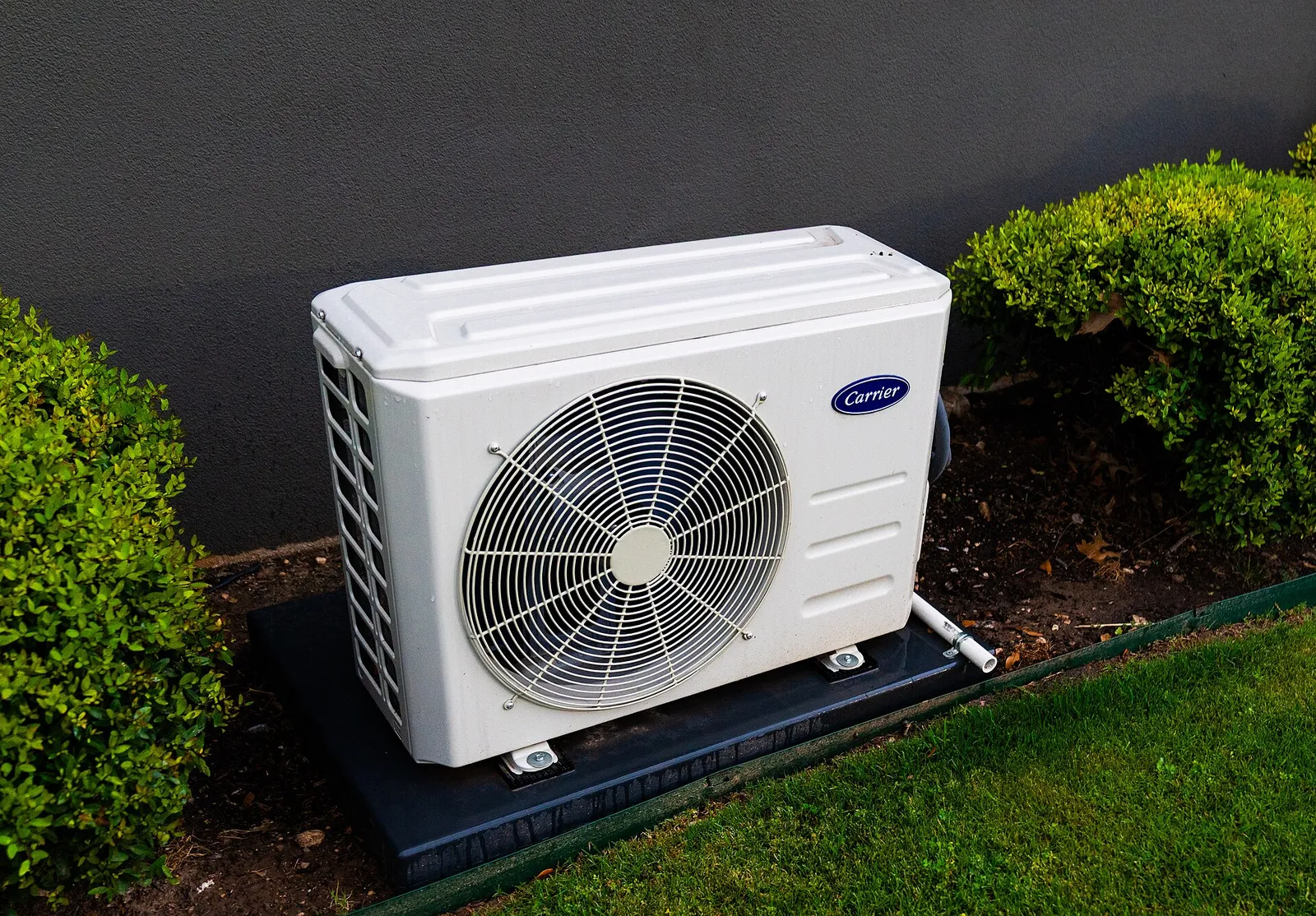
That gap has a real consequence. A heat pump, an electric device that extracts warmth from the outside air to heat a home, is far more efficient than a gas boiler, typically producing several units of heat for each unit of energy it draws. But because electricity is so much more expensive than gas per unit, that efficiency does not always translate into lower running costs, which blunts the incentive for households to switch.
What the proposal would do
The core move is to take the remaining levies off electricity bills and pay for them through general taxation instead, and to cut the VAT (sales tax) charged on electricity. Nesta's analysis, as reported, puts the saving at roughly £42 a year from shifting the levies and about £41 from the VAT cut, adding up to around £130 a year for a typical household once the effects combine. Crucially, by making electricity cheaper relative to gas, the change would tilt the economics toward heat pumps and electric cars, the low-carbon choices the government is trying to encourage.
The plan reportedly goes further on debt. It suggests the government clear the backlog of unpaid electricity bills, a one-off cost put at about £2.7 billion, which would help roughly two million households in arrears and, because everyone currently pays a small amount to cover unpaid bills, trim a charge borne by all customers. Boursel notes these figures come from Nesta's proposal as reported, not from enacted policy.
The trade-off, and who pays
Nothing here is free. Moving levies into general taxation does not abolish the cost; it moves it from energy bills to the Treasury, at an estimated £3.2 billion a year. In effect, the plan shifts part of the burden from a flat charge on energy use, which weighs heavily on lower-income households, toward the broader tax base. Supporters argue that is fairer and speeds the switch to cleaner heating; critics will note it adds to government spending at a time when the public finances are stretched, and that "taxpayers" and "bill payers" are largely the same people.
For a financial audience, the plan is worth watching for reasons beyond Britain. Energy pricing sits at the intersection of the cost-of-living squeeze and the energy transition, and how a government chooses to split those costs, between bills and taxes, between gas and electricity, shapes the fortunes of utilities, heat-pump makers and carbon-heavy industries alike. It also signals policy direction to investors. This proposal is still just that, a proposal, and its details and timing could change or stall. Boursel takes no view on the politics; the point is that rebalancing how energy is taxed is one of the more consequential economic levers a government holds.