This is general information, not investment advice. Crypto carries significant risk.
The word "wallet" is misleading. Get past it and crypto's biggest practical risk becomes clear.
What a wallet actually holds
Your coins — bitcoin, ether, whatever — exist only as entries on a public blockchain ledger. A wallet doesn't store them; it stores the private keys that let you move those entries. Each address has two parts: a public address, like an account number you can share to receive funds, and a private key, which is password and signature in one — whoever has it controls the money. When you set up a self-custody wallet, it generates a seed phrase (usually 12 or 24 words), the master key that can restore everything. Lose the seed phrase and the funds are gone; there is no support line that can recover them, as Ethereum's documentation stresses.
Hot vs. cold
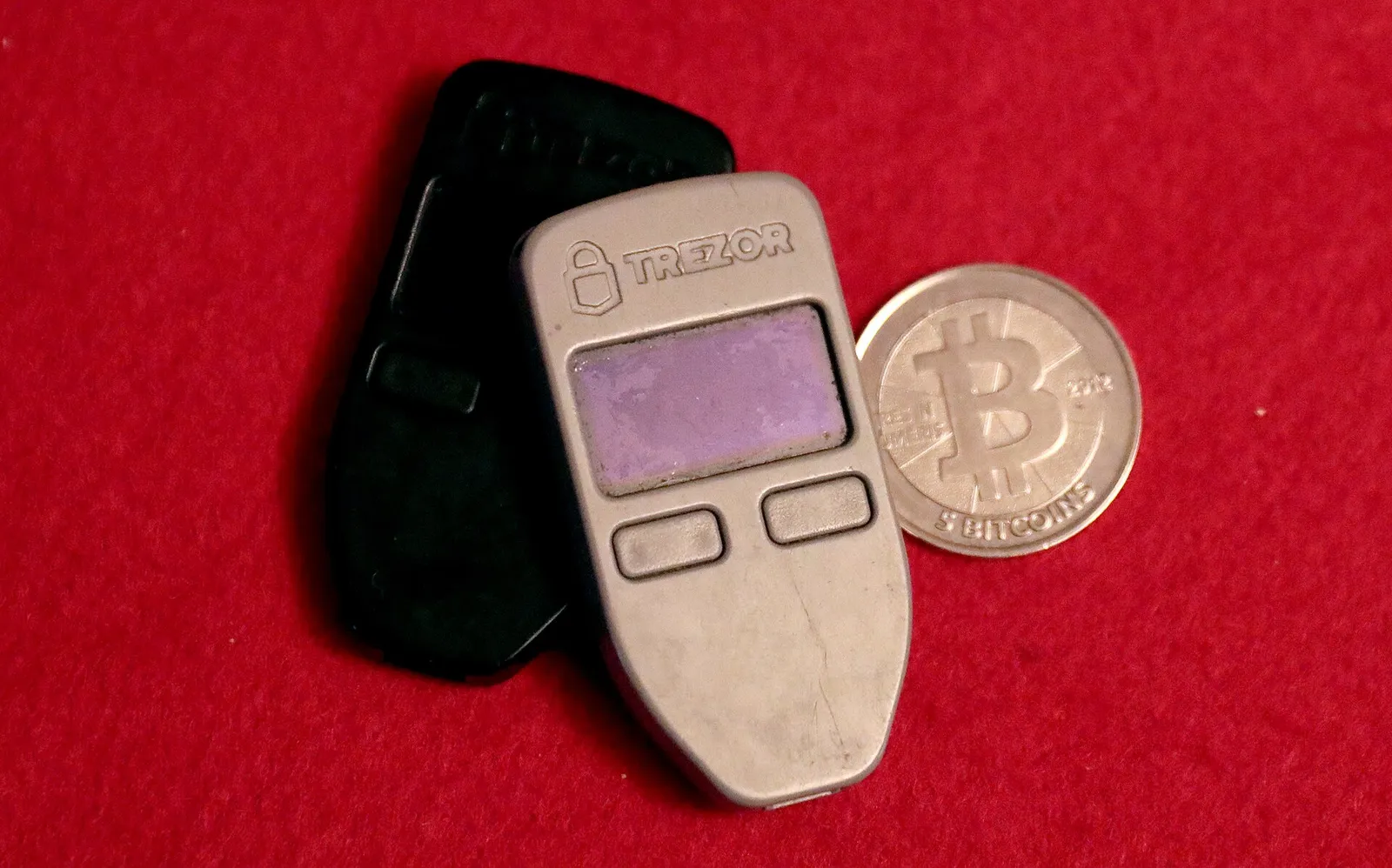
Hot wallets are software, connected to the internet — exchange apps, mobile wallets, browser extensions like MetaMask. Convenient, but that connection is an attack surface for malware and phishing. Cold wallets keep keys offline — hardware devices from the likes of Ledger and Trezor, or even paper. Cold storage is the standard for larger, longer-term holdings; the trade-off is less convenience day to day.
Custodial vs. non-custodial
This is the distinction that matters most. With a custodial wallet, a third party — typically an exchange like Coinbase or Binance — holds the keys for you. You log in with a password; they control the underlying assets. It's like a bank: convenient, with account recovery, but you're trusting the institution. With a non-custodial (self-custody) wallet, you hold the keys yourself. No provider can touch your funds — and none can bail you out either.
Why "not your keys, not your coins"
This crypto adage got brutal confirmation in November 2022, when FTX, then the second-largest exchange, froze withdrawals and collapsed. It suspended customer withdrawals on November 8 and filed for bankruptcy on November 11, locking more than a million users out of funds they thought they owned; prosecutors later called it one of the biggest financial frauds in U.S. history. Customers who had moved assets to self-custody beforehand kept access; those who left coins on the exchange did not. Celsius and Voyager froze withdrawals the same year. The lesson is structural: when someone else holds your keys, you hold an IOU, not the asset.
The risks of holding your own keys
Self-custody removes that counterparty risk but hands you others. Lose your seed phrase and your funds are unrecoverable — analysts estimate millions of bitcoin are already lost forever to forgotten keys (figures are rough estimates, not precise counts). Phishing and scams: attackers impersonate wallet makers or support staff to trick you into typing your seed phrase into a fake site — once is enough to be drained. Malware: clipboard hijackers can swap a copied address for an attacker's.
Best practices
- Write the seed phrase on paper (or metal) and store it offline; never photograph it or put it in the cloud.
- Use a hardware wallet for anything you couldn't afford to lose.
- Double-check addresses before sending.
- Treat any request for your seed phrase as a scam — legitimate providers never ask for it.
- Keep day-to-day amounts in a hot wallet, the bulk in cold storage.
The trade-off
Custodial services offer convenience and recovery, suited to casual users and small sums. Self-custody offers control and freedom from any institution's solvency — but full personal responsibility. There's no option that gives both. The right choice comes down to which risk you're better placed to manage — and, after FTX, more crypto holders decided that risk was their own to keep.