The anxiety that has whipsawed tech stocks this month — from Microsoft's rout to Asia's sell-off — comes down to one kind of building. Here's what's inside it, and why it costs so much.
What a data center is
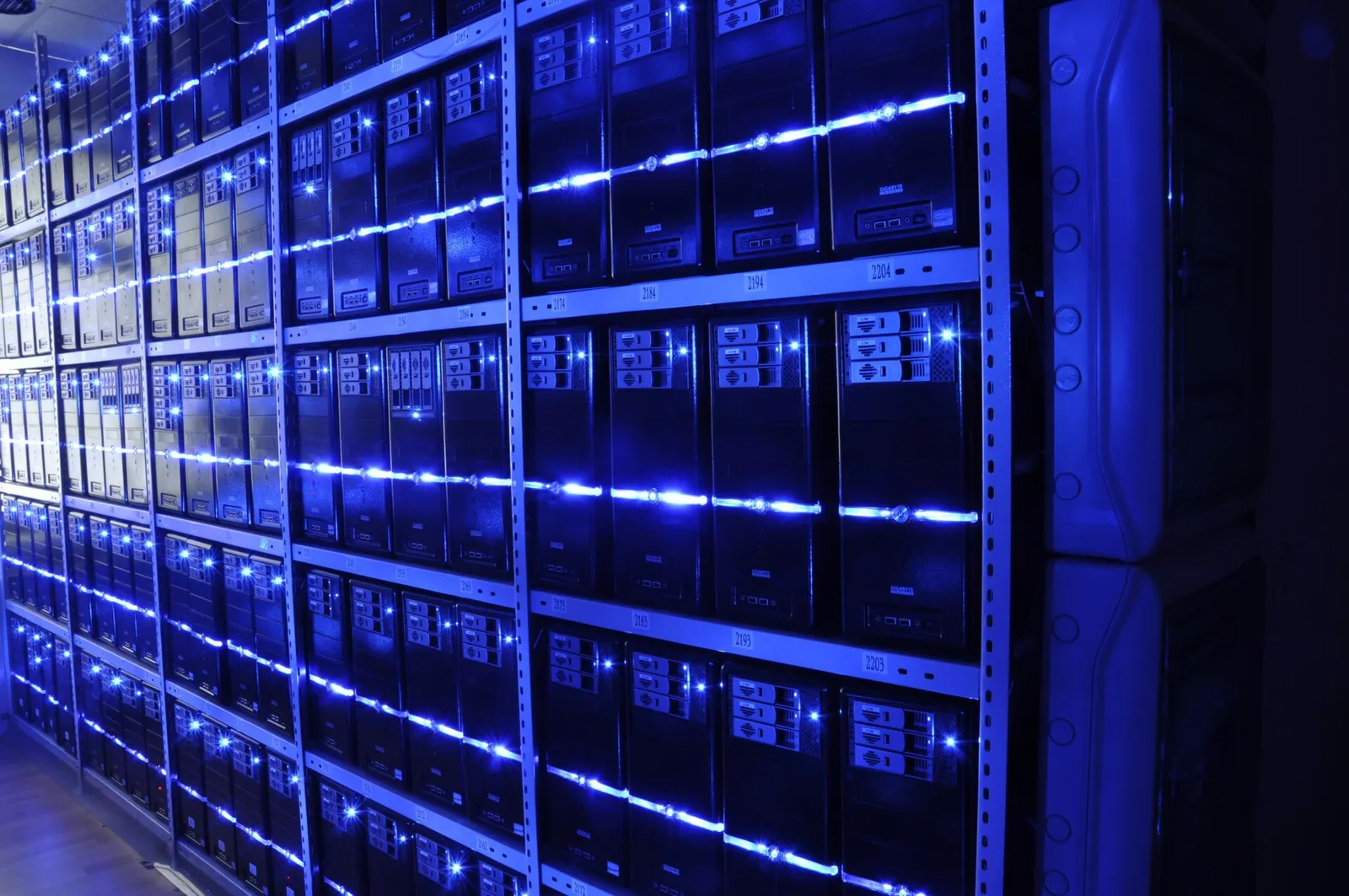
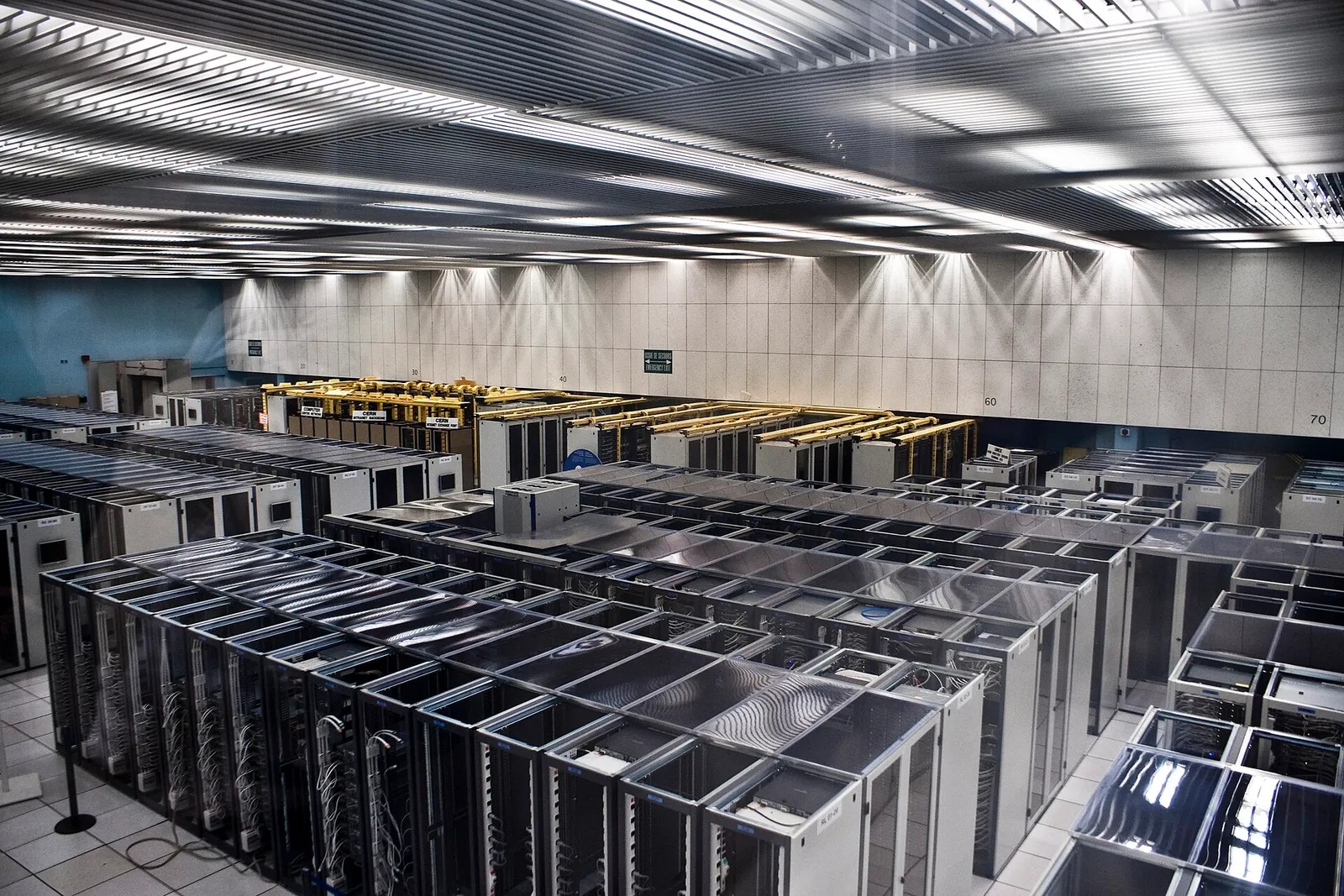
A data center is a building (or campus) packed with servers, storage and networking gear that store and process digital information. Every web page, app and chatbot reply is handled by one somewhere. The largest belong to the hyperscalers — Amazon, Microsoft, Google and Meta — and each big facility can draw as much electricity as a small city. Specialist landlords such as Equinix and Digital Realty build and lease space to them.
Why AI changes the math
Ordinary cloud work — hosting websites, running databases — isn't especially power-hungry. AI is. Building a large AI model, a process called training, runs for weeks across thousands of specialized chips working in parallel. Those chips are mostly GPUs (graphics processing units), originally made for video games but ideal for the math behind neural networks; Nvidia dominates the market. A rack of AI chips can draw many times the power of a conventional server rack and needs advanced cooling to shed the heat. Once trained, a model must answer queries — inference — which is lighter per request but runs constantly at vast scale.
The capex numbers
Capex — capital expenditure — is money spent on physical assets like buildings and chips. It lowers a company's free cash flow, which is why Wall Street tracks it closely. For 2026, the four hyperscalers' guidance adds up to roughly $725 billion combined, a big jump from 2025. JPMorgan estimates cumulative AI-infrastructure spending of about $5.5 trillion through 2030, and judges the economics "holding, for now."
The revenue question — and the sell-off
The worry driving markets is simple: the spending comes now, the payoff later — if at all. Every dollar poured into chips and data centers is an immediate cash outflow, while the AI revenue meant to justify it arrives slowly and uncertainly. That gap is exactly what sent Microsoft to its worst month since 2000 and rippled into Asian tech this week. Analysts are split between those who see a healthy build-out of genuinely scarce capacity and those who fear years of depressed cash flow on assets that may sit underused. We report the debate; we don't call it.
The power problem
Data centers are colliding with the electricity grid. The International Energy Agency projects global data-center electricity use roughly doubling to about 945 terawatt-hours by 2030 — close to Japan's entire annual consumption — with AI facilities growing fastest. The IEA warns that a meaningful share of planned projects face delays from grid congestion, slow permitting for new power lines and shortages of equipment like transformers. That demand is reshaping energy markets too, pulling in natural gas, nuclear and the battery-storage build-out — and helping explain why power and cooling have become investment themes of their own.
Who builds, who profits
The chain is long: Nvidia earns the fattest margins on AI chips; the hyperscalers run the clouds; data-center landlords like Equinix and Digital Realty collect long leases; and power, cooling and electrical-equipment suppliers are running flat out. For regions hosting big clusters — from Ireland to the U.S. Southeast — the upside is investment and jobs, the downside is strain on local power and water.
What to watch
The next 18 months should reveal whether AI revenue can grow toward the scale this infrastructure assumes. Watch the hyperscalers' cloud-growth rates against their capex guidance, the IEA's grid-readiness updates, and the bond market, where a rising share of this build-out is now debt-financed. The spending is real and enormous. Whether it earns its return — and on what timeline — is the open question hanging over the entire AI trade. This is analysis, not investment advice.