This is general information, not investment advice.
"Going public" is shorthand for one specific event with a lot of moving parts. Here's what actually happens.
What an IPO is
An initial public offering (IPO) is the first time a private company sells shares to the public and lists them on an exchange like the NYSE or Nasdaq. Before it, ownership sits with founders, employees and private backers (venture capital, private equity). After it, anyone with a brokerage account can buy in.
Why companies do it — and the downsides
The main reason is capital: a listing can raise hundreds of millions or billions to fund growth or cut debt. It also gives early investors and staff a liquidity event — a way to turn long-held equity into cash — and creates a public valuation that can be used as "currency" to buy other companies with stock. The costs are real, though: public companies must file detailed quarterly and annual reports (which rivals can read), face relentless earnings pressure, dilute founder control, and pay heavy underwriting, legal and compliance bills.
The process, in five steps
- Hire underwriters. The company picks investment banks (a lead underwriter plus a syndicate) to manage the deal — advising on price and timing, and buying the shares to resell to investors. Their fee is typically a few percent of proceeds.
- File the S-1. The company files a registration statement and prospectus with the SEC — financials, risks, how it'll use the money — made public on the SEC's EDGAR database. The SEC reviews and may ask for changes.
- The roadshow. Executives pitch big institutional investors (funds, pensions) to gauge demand, building an order book through bookbuilding (investors say how many shares they want and at what price).
- Price the shares. Underwriters and the company set the final IPO price and size — which determines how much the company raises. Most shares go to institutions.
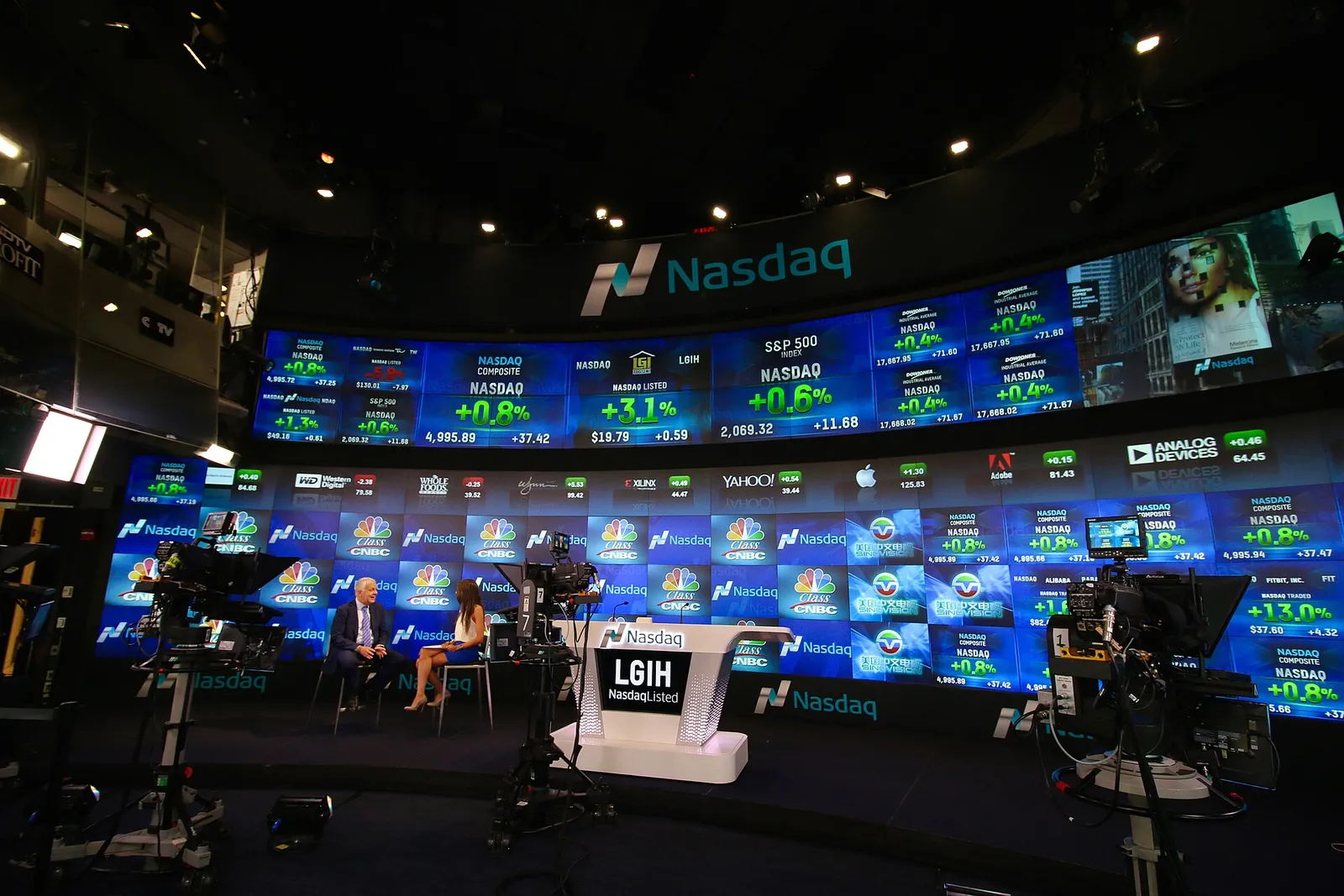
- Trading begins. Shares open on the exchange, often with a ceremonial bell, and then trade freely.
The lock-up and the "pop"
Two things to know about the aftermath. Insiders are usually barred from selling for a lock-up period — commonly 180 days, per the SEC — and stocks can wobble as that expiry nears and more shares hit the market. And IPOs often "pop" on day one — a sharp first-day jump. A big pop isn't pure good news: it means the shares were priced below what the market would pay, leaving money on the table that went to the favored buyers rather than the company.
Other ways to go public
Not everyone does a traditional IPO. A direct listing floats existing shares on an exchange without issuing new ones or using underwriters to sell a block — Spotify and Coinbase did this; there's no lock-up and no engineered "pop." A SPAC (special-purpose acquisition company, or "blank-check" firm) is a shell that raises money via its own IPO, then merges with a private company to take it public — popular in 2020–21, later hit by regulatory scrutiny over disclosure.
The risks for ordinary investors
Retail buyers are at a structural disadvantage, the SEC warns. Most IPO shares go to institutions, so you usually buy only after trading starts — often above the IPO price. Newly public firms have short track records, their stocks can be wildly volatile early on, and hype can lift prices well above fundamentals before a correction. The free defense is the prospectus: the S-1 on EDGAR lays out the risks, the revenue trajectory and the path (or not) to profit. Read it before you buy — and watch the lock-up calendar.