Most investments are supposed to represent something — a company's profits, a loan's interest, a commodity's utility. A memecoin, by design, often represents nothing but a joke and a crowd. That hasn't stopped them from becoming one of crypto's loudest and most volatile corners.
What a memecoin is
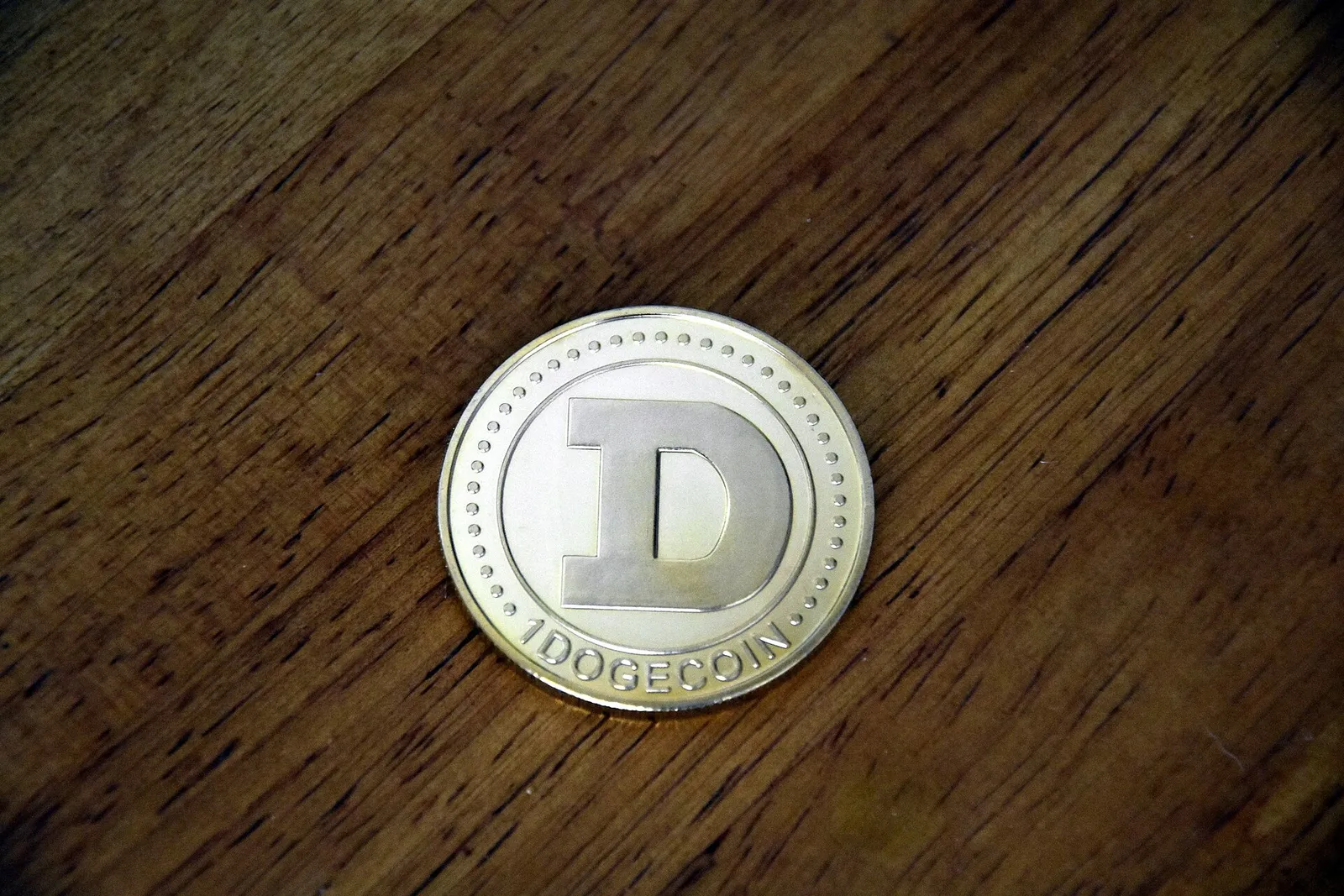
A memecoin is a cryptocurrency inspired by an internet meme, joke, mascot or cultural moment, rather than by any underlying technology, product or business, as Investopedia defines the category. The original and most famous is Dogecoin, launched in 2013 as a literal parody of the crypto craze, built around the "Doge" Shiba Inu dog meme. Others — Shiba Inu and a rotating cast of newer tokens, many on fast, cheap networks like Solana — followed the same template.
The defining feature is that their value rests almost entirely on attention and community. A memecoin is worth something because people believe other people will want it — driven by social-media buzz, celebrity endorsements and viral momentum, not cash flows or fundamentals.
Why they exist
Several forces keep the memecoins coming:
- They're easy to create. Modern crypto tools let almost anyone mint a new token in minutes, at little cost — so thousands of memecoins launch, most worth essentially nothing.
- Community and identity. Holders form online tribes around a coin, treating it as a shared in-joke and a bet at once.
- The lottery appeal. A tiny stake in a coin that "goes viral" can, briefly, multiply many times over — the dream that pulls buyers in, even though the overwhelming majority go to zero.
Why they're so risky
Memecoins concentrate the dangers of crypto into their purest form. Regulators repeatedly warn that crypto assets are highly speculative, as the SEC cautions investors. With memecoins specifically:
- Extreme volatility. Prices can rise or fall by huge percentages in hours on nothing but sentiment.
- No fundamental value. With no earnings or utility, there's no floor — nothing anchors the price if the crowd moves on.
- "Rug pulls" and scams. Because anyone can launch one, many are outright frauds: creators hype a coin, then sell their large holdings and vanish, crashing the price and leaving buyers with worthless tokens.
- Concentration. A handful of insiders often hold most of the supply, so a few sellers can collapse the market.
The politics problem
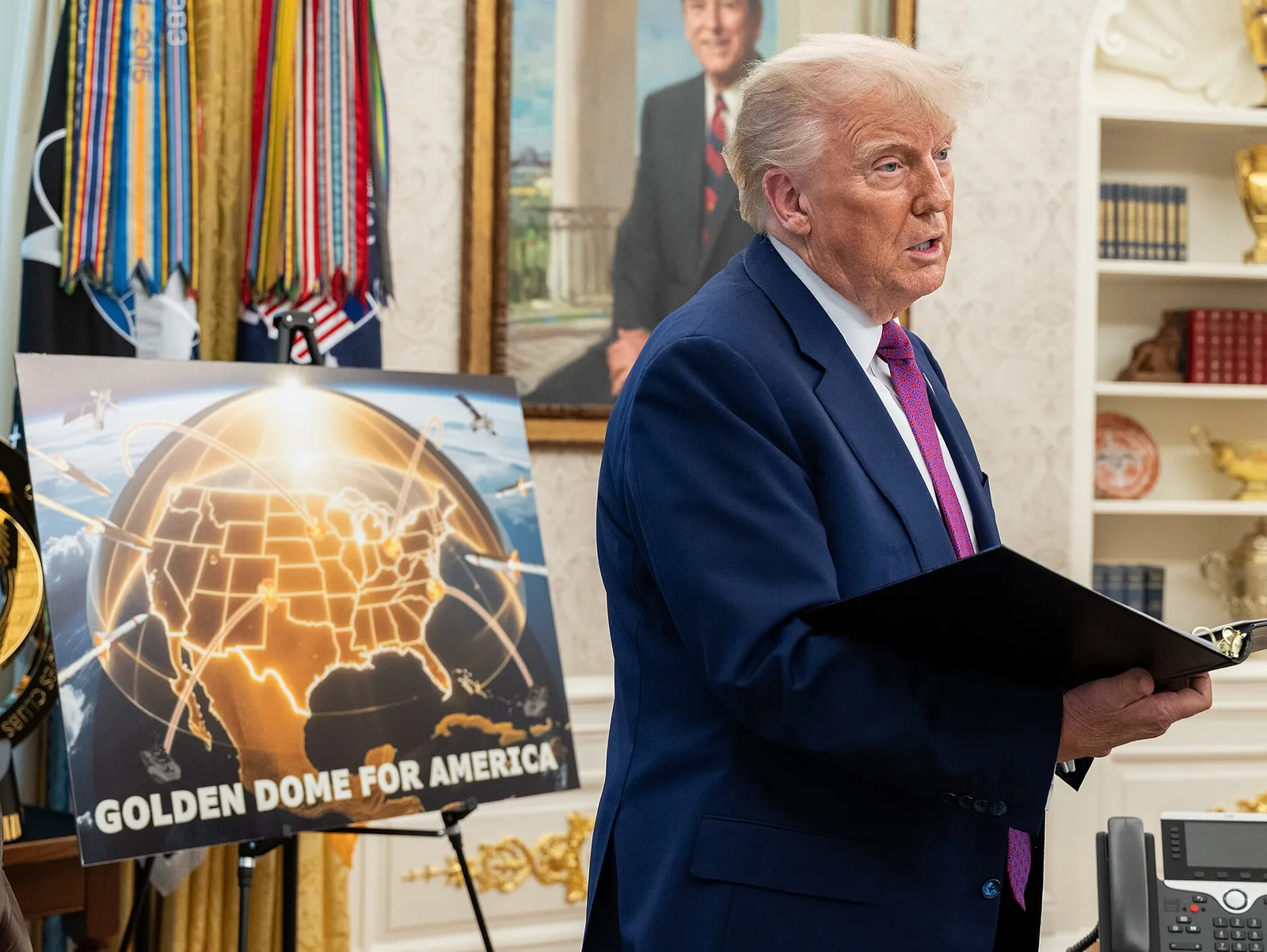
Memecoins have also collided with public life. When public figures — including politicians and celebrities — launch or promote their own tokens, it raises pointed questions about conflicts of interest and market manipulation: insiders can profit from hype they themselves generate, at the expense of fans who buy in. That has drawn scrutiny from lawmakers and regulators about whether and how such tokens should be restricted. The core worry is the same one that shadows the whole category: the people talking a coin up are often the ones positioned to cash out.
Why it matters
For investors, memecoins are best understood not as investments but as speculative gambles — closer to a lottery ticket than a stake in a business, and easy to lose everything on. For the crypto industry, they are a double-edged sword: they pull in new users and attention, but reinforce the perception that crypto is a casino. And for regulators, they sit at the frontier of hard questions about fraud, disclosure and who is responsible when a joke token collapses. Boursel gives no investment advice; the essential point is to know exactly what a memecoin is — a bet on a crowd's attention, backed by nothing else — before treating it as anything more.