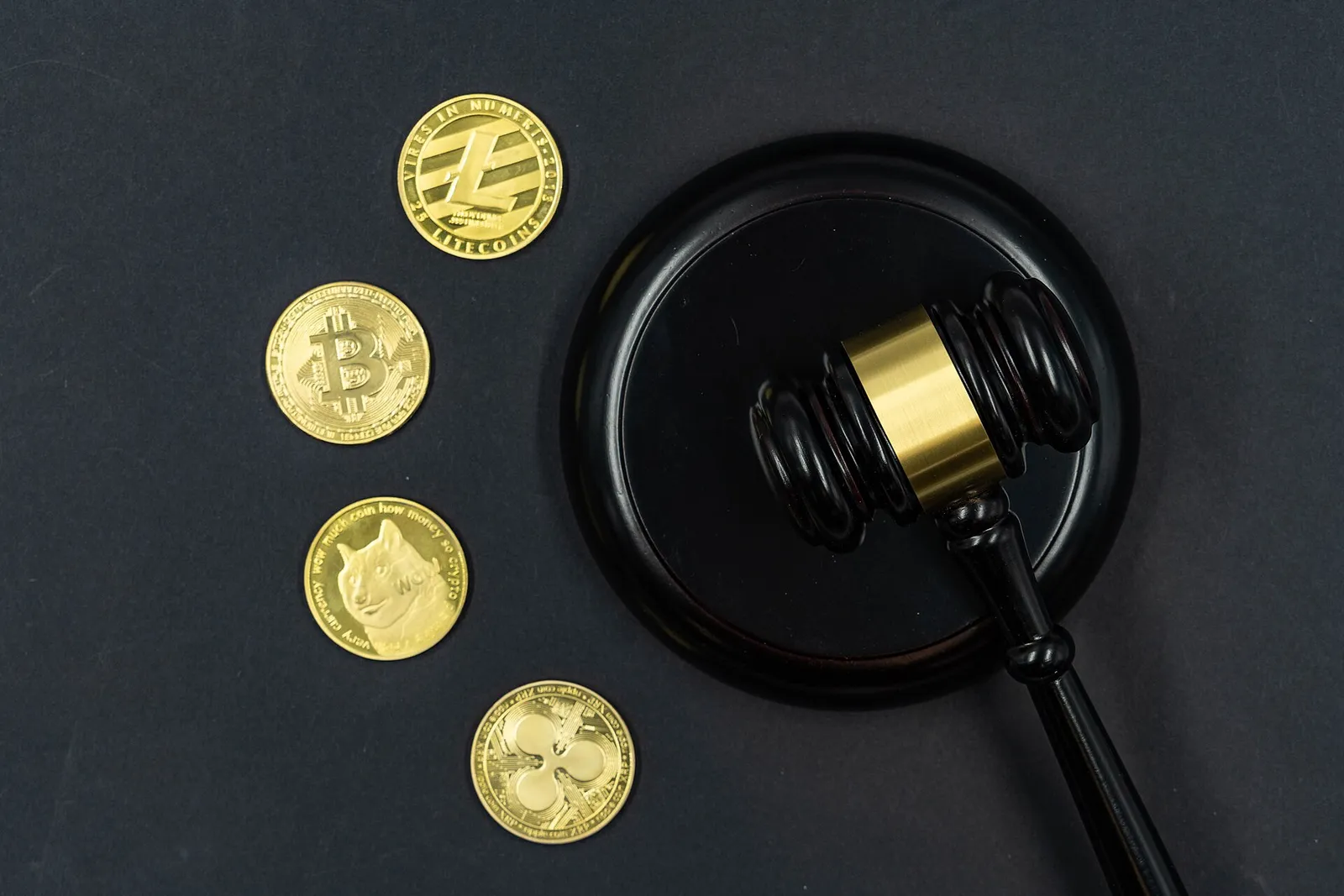
Zcash reached about $818.77 at 1pm Eastern on Saturday, having touched nearly $855 during the session, up more than 22% in 24 hours and over 30% on the week. It is the highest the privacy-focused token has traded since 2018, and it puts the market value at roughly $13.8 billion, twelfth among cryptocurrencies.
The catalyst
Grayscale filed a fifth amended registration statement on Friday, renaming its vehicle "The Zcash ETF" with an annual sponsor fee of 2.5%. If approved it would be the first US fund tracking the ZEC price directly.
Two things about that are worth stating plainly. A fifth amendment is a step in a process, not an approval, and amended filings are routine responses to regulator comments rather than signals of imminent clearance. And a 2.5% annual fee is very high by the standards of the spot bitcoin funds, several of which charge a fraction of that. An investor paying it is paying for access to an asset that is otherwise awkward to hold, which is a real service, at a price that compounds against the position.
The ratio that matters
Futures volume ran above $9.5 billion over 24 hours against spot exchange volume of $1.06 billion, with open interest at $1.8 billion, equal to about 13% of the token's entire market capitalisation.
Nine dollars of futures turnover for every dollar of spot means the price is being set in the derivatives market rather than by people buying and holding the asset. That is not inherently sinister; derivatives are where leverage and hedging live in every market. But it changes what the move tells you and how it is likely to end.
A rally driven by spot accumulation has to be sold by someone to reverse. A rally driven by leveraged futures positions reverses when funding costs bite or when a sharp move triggers liquidations, and those unwinds are fast. Open interest at 13% of market cap is a large amount of leverage relative to the size of the underlying asset.
The context this needs
Zcash is not a story of steady appreciation. It fell as much as 60% in June, from about $630 to $250, following a vulnerability disclosure, and has more than tripled from that low. It remains roughly 75% below its all-time high of $3,191.93.
Privacy coins also carry a specific regulatory exposure that bitcoin does not. Their design obscures transaction details, which sits badly with anti-money-laundering rules built on the assumption that transfers can be traced. Several exchanges have delisted them in various jurisdictions over the years for that reason, and Europe's MiCA regime constrains how anonymity-enhancing assets can be offered. An ETF wrapper does not remove that; it moves the compliance burden onto a sponsor who then has to satisfy a regulator on precisely the point that makes the asset distinctive.
How to read it
The move is real, the volume is real, and the filing is a genuine development in a multi-year effort to bring a privacy asset into a regulated wrapper.
What the numbers do not support is the "next bitcoin" framing that has attached itself to the rally. Bitcoin's institutional adoption came through spot ETFs that hold the asset, approved after a decade of process, into a market where spot volume dominates. This is a derivatives-led move in a $13.8 billion asset on an unapproved filing, with the leverage sitting at an eighth of the market's total size.
This is reporting on a price move and the mechanics behind it, not a view on the asset. Nothing here is a recommendation to buy or sell anything.