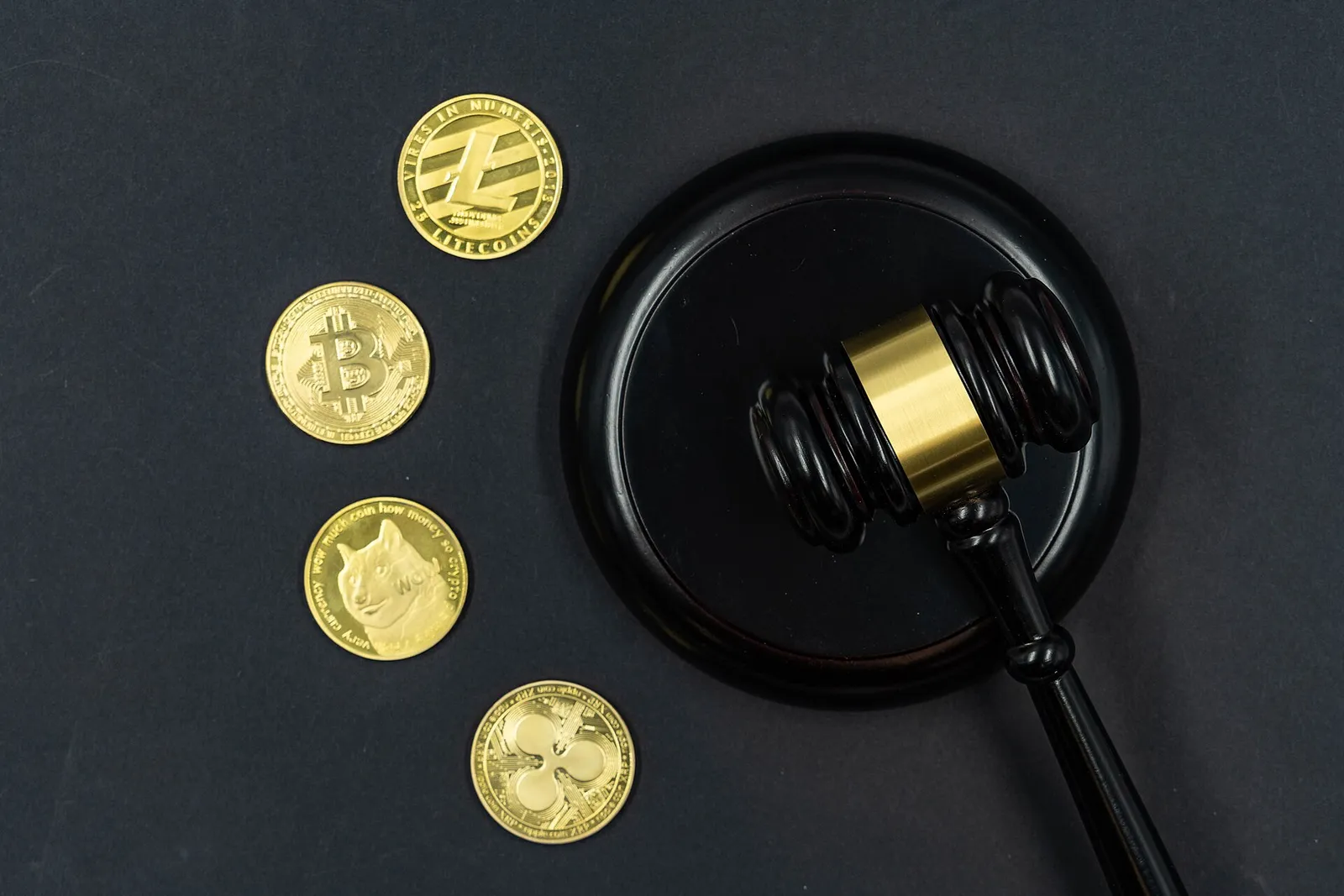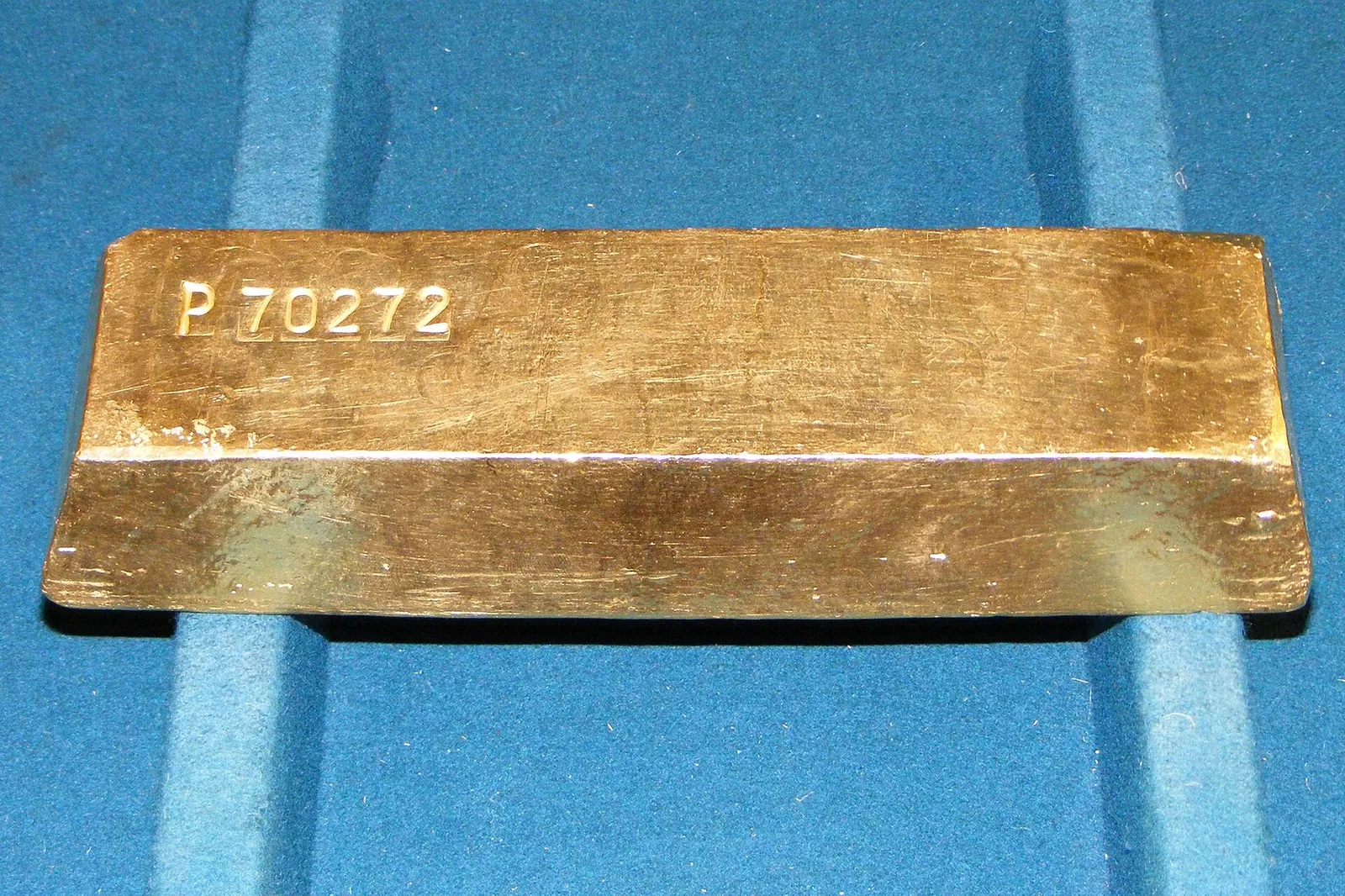
Ray Dalio, who founded Bridgewater Associates, posted on LinkedIn on Friday that investors should be overweight gold and bitcoin relative to bonds, given the risks he sees from government borrowing and from political and geopolitical conflict.
He recommended 10% to 15% of a portfolio in gold. On bitcoin he said "a bit", holds "some, but not much" himself, and named no figure.
This is reporting on an investor's argument, not a recommendation, and the distinction between those two sentences is most of what is worth reading.
The argument
Dalio's case is about arithmetic rather than technology. When a government's debt grows faster than its capacity to service it, the options narrow to default, austerity, or letting the currency absorb the difference. Governments have generally chosen the third, and assets not issued by any government hold their value through it while bonds denominated in that currency do not.
He has put a rough timetable on the concern, saying his guess is that a US debt crisis arrives "in three years, give or take two, if the course we're on is not changed", while conceding the guess will probably be wrong.
Why it lands this week
Because the market has spent the week doing something that looks like the trade he is describing.
The Treasury doubled its buybacks of long-dated debt on Wednesday to steady the long end. By Friday the 30-year yield was at 5.28% and the 10-year at 4.74%, both near 20-month highs. The dollar weakened. Gold rose to the top of its range and bitcoin had its best week since 2023. Traders have been calling that combination the debasement trade, and Dalio is, in effect, endorsing its logic.
The caveats he keeps
They are substantial, and they are usually cut from the headline.
Dalio has argued for years that bitcoin cannot replace gold as a store of value. He has raised the risk that advances in quantum computing could undermine its cryptography, and has pointed to the fact that a public ledger is not private. In 2022 he described a 1% to 2% allocation as merely reasonable, and though he floated a figure as high as 15% last year, what he has said this week is the vaguer "a bit".
Set against a specific 10% to 15% for gold, the asymmetry is deliberate. He is making the same macro argument about both assets and expressing much more confidence in one of them.
The objection worth taking seriously
Bitcoin's record as a hedge is weak in exactly the moments a hedge is supposed to work. In the March 2020 crash and again during the March 2023 banking stress, it fell alongside equities rather than holding its value. An asset that rises when investors are relaxed about risk and falls when they are not is behaving like a risk asset, whatever the thesis says it is.
There are two readings of this week. One is that bitcoin is finally trading on the monetary argument rather than on risk appetite, which would be a genuine change in its character. The other is that a short squeeze, ETF inflows and a weak dollar have coincided, and the monetary story is being fitted to the price after the fact.
Nothing available now distinguishes between those. What would is a week in which equities fall hard and bitcoin does not.