Japan has intervened in the currency market to support the yen, and its vice finance minister, Atsushi Mimura, described the operation as the culmination of an alliance with the United States. President Trump called it a signal of friendship. Citi's analysts characterise what exists between the two countries as policy coordination rather than anything approaching a monetary union.
That is close to the whole of the public record. There is no announced agreement, no disclosed commitments on either side, and no published figure for how much was spent. Given that, the useful thing is to explain what an intervention of this kind actually involves, and why the American posture is the unusual part.
How intervention works
A government that wants to stop its currency falling sells foreign reserves, usually dollars, and buys its own currency in the open market. Japan's Ministry of Finance decides; the Bank of Japan executes.
The constraint is that reserves are finite, and the foreign exchange market is not. Daily global turnover runs into the trillions of dollars, so an intervention is never large enough to set the price on its own. What it can do is change the behaviour of other participants: make a one-way bet look risky, force leveraged short positions to close, and buy time.
This is why interventions tend to work when they are aligned with fundamentals and fail when they are not. Selling dollars to support a currency that is falling because domestic interest rates are far below foreign ones is an attempt to hold back a tide, and the market knows the reserves will run out first.
Why the US position matters more than the money
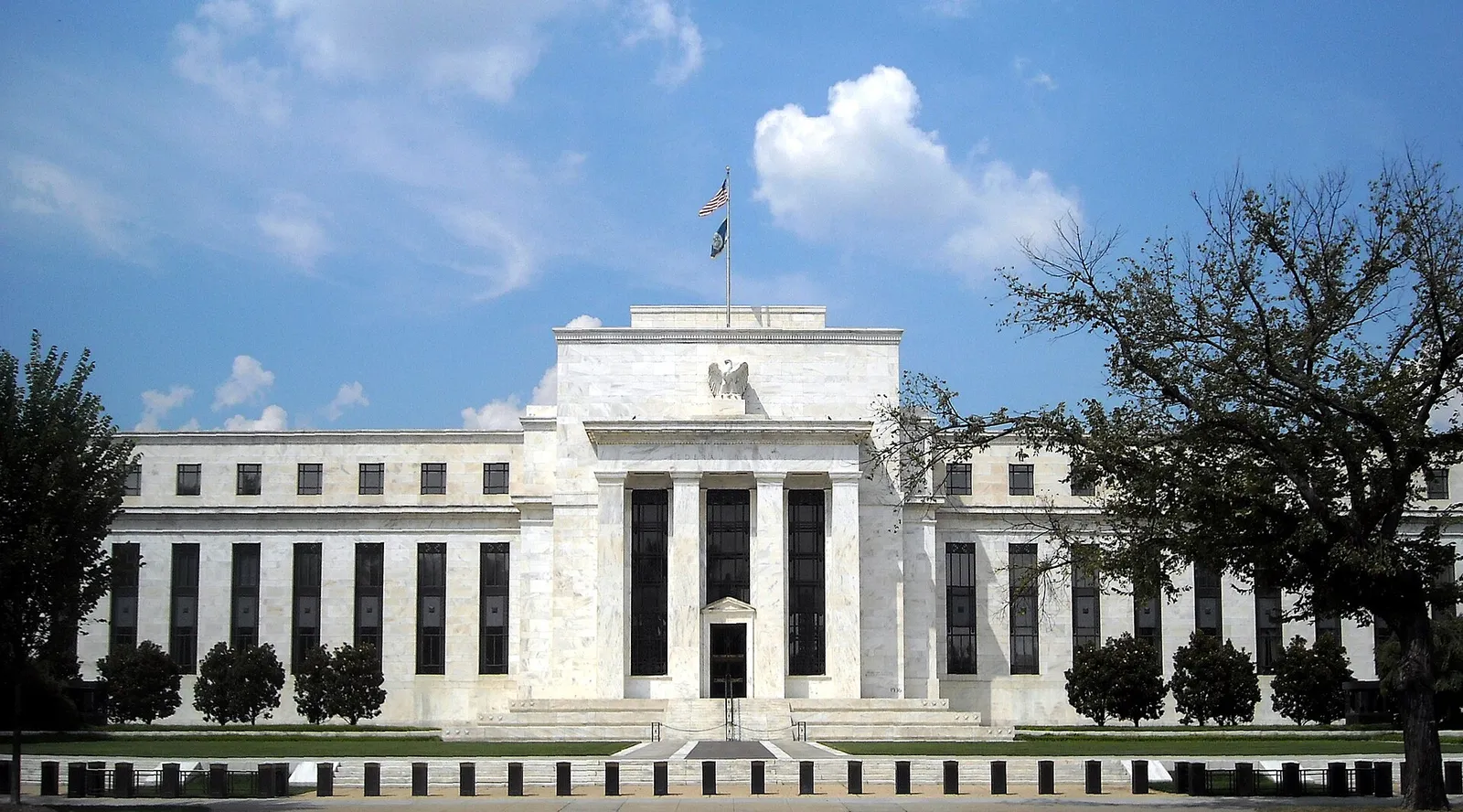
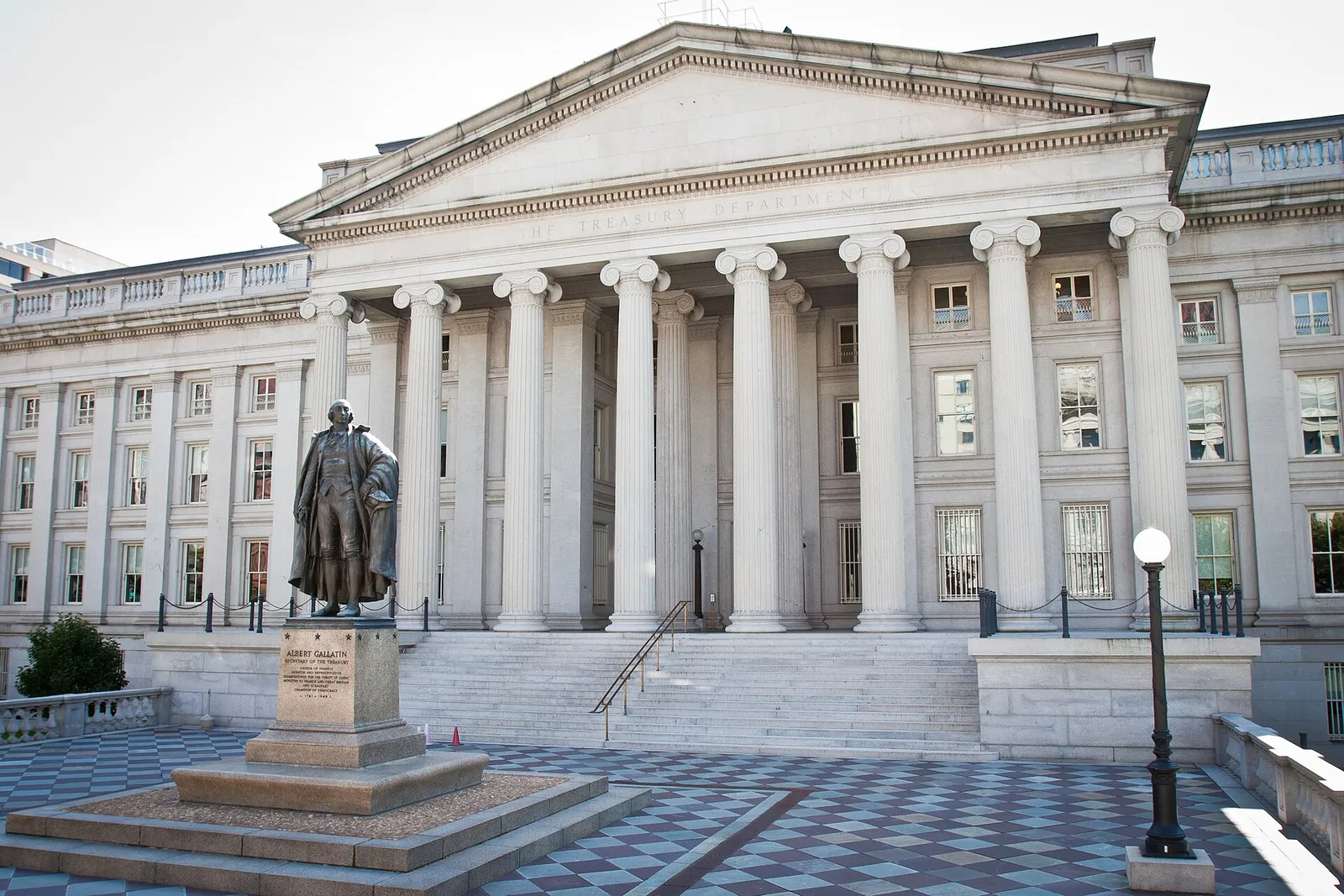
Ordinarily the United States is unenthusiastic about other countries managing their exchange rates. The Treasury publishes a semi-annual report naming trading partners whose currency practices it considers questionable, and the entire apparatus of that report is built around the concern that partners hold their currencies down to gain a trade advantage.
Japan is doing the opposite. It is spending reserves to hold the yen up, which makes Japanese exports more expensive and American ones more competitive. That is why Washington can call it friendship: this is the rare intervention that runs in the direction the US would choose anyway.
The article notes that the arrangement may also support Japan's $550 billion US investment programme, which points at what each side is getting. Japan gets American acquiescence, and possibly cooperation, in defending its currency. The US gets investment and an ally whose currency is not sliding.
The precedent everyone is thinking of
The comparison being drawn is to 1998, when the dollar fell from about ¥147 to ¥108 within six months after coordinated action. That is the case for intervention working.
It is also a case that came with a Federal Reserve easing cycle and a collapse in the carry trade behind it. The intervention marked the turn; it did not manufacture it.
The euro-yen cross is the level being watched now, with ¥185 to ¥186 cited as the relevant zone against a recent low near ¥180.
Why this connects to the rest of the week
The dollar's weakness has been one half of the story that produced gold at the top of its range and bitcoin's best week since 2023. A weak dollar should, mechanically, make the yen's problem easier, not harder.
That it apparently has not is the detail worth holding onto. If the yen is under pressure even while the dollar is broadly soft, the cause is domestic and structural: Japan's debt burden is above 200% of GDP, and its capacity to raise rates to defend the currency is constrained by what that would do to the cost of servicing it. That is the same trap the Brookings economist Robin Brooks invoked this week when warning about the US Treasury's own buyback programme.
Intervention buys time for a government to fix the thing underneath. Whether Japan can is a question about its budget, not its reserves.
Very little of this arrangement has been made public, and readers should treat the framing of an alliance as the characterisation of officials rather than a documented agreement. This is reporting on what has been said and how the mechanism works, not a view on the currency.