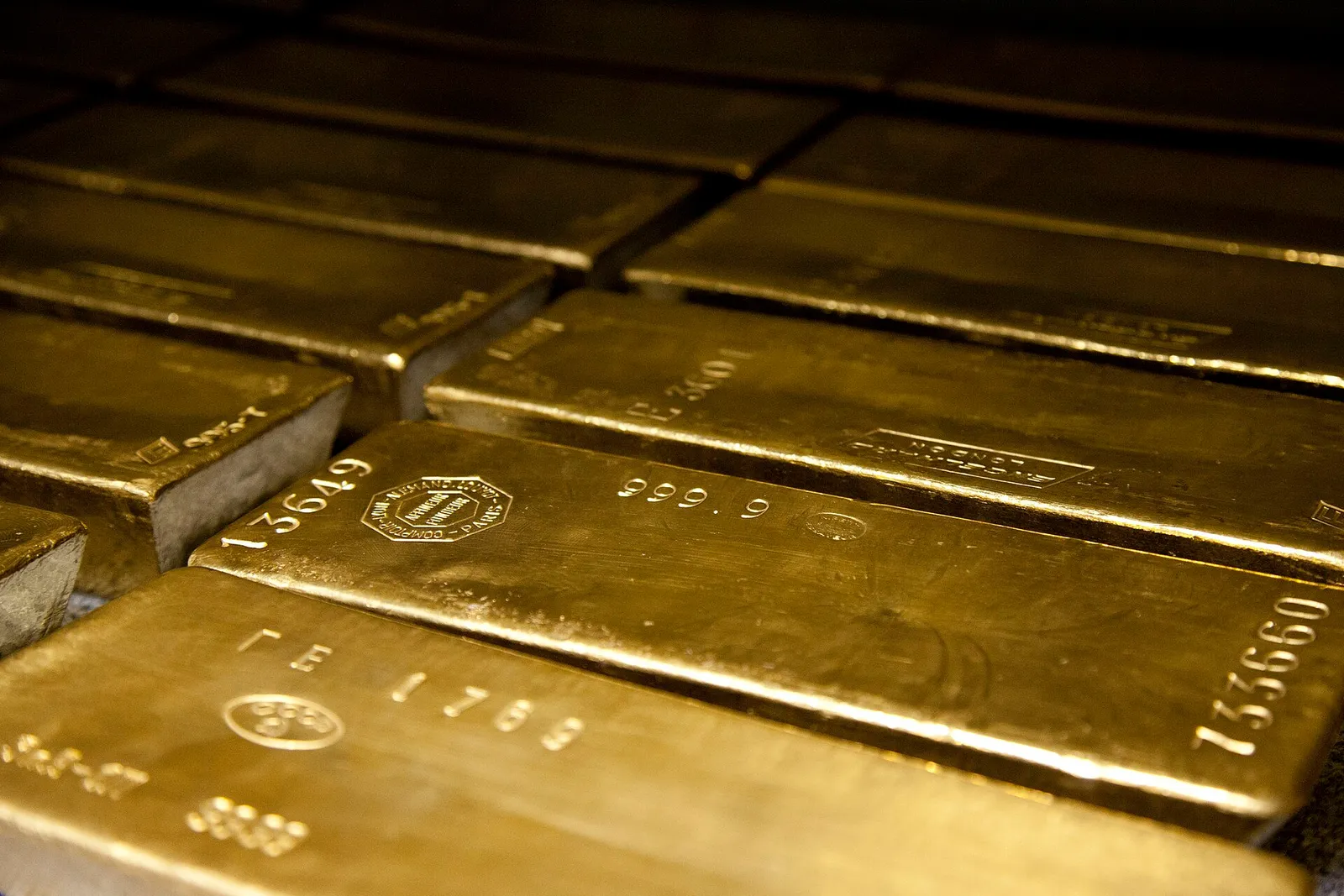
Gold spent weeks pinned down by the highest long-term borrowing costs in nearly two decades. On Wednesday, the US Treasury changed the arithmetic. The metal jumped about $100 in 45 minutes, trading above $4,460 per troy ounce, its highest level since the first week of June, after the department said it would double the size of its buyback operations in long-dated government debt.
What the Treasury announced
The Treasury said its liquidity-support buyback operations, in which the government purchases its own previously issued bonds to keep trading in them orderly, will run at "$4 billion or more" per operation starting September 9, roughly twice the prior size of about $2 billion. The larger operations target securities maturing in 10 to 30 years, the part of the market where selling pressure had been concentrated. In its announcement, the department said the increase "reflects Treasury's desire to provide greater liquidity support."
The intervention landed on a market that had been testing multi-decade extremes. The 30-year Treasury yield peaked on Monday at 5.31%, its highest since 2007, before falling nearly a tenth of a percentage point to 5.19% after the announcement, the lowest in two weeks. Bond trader Ed Bradford said the buyback expansion was "what caused the rally" across stocks and bonds.
Why lower yields lift gold
Gold pays no interest, so its main competition is the yield an investor can earn holding bonds instead. When long-term yields fall, the opportunity cost of owning gold falls with them, and the metal tends to rise. Wednesday supplied a textbook version of that mechanism: yields dropped, the gold-backed ETF GLD gained 3.2% from the prior close, and silver reversed its losses for the week to trade above $65 an ounce.
A softer dollar amplified the move. Gold had already firmed earlier in the session as the dollar eased, making the dollar-priced metal cheaper for buyers holding other currencies.
Not just gold
The response was broad rather than defensive. Long-dated Treasury ETFs rose about 1.4% and the S&P 500 added roughly 0.4% at the open, a pattern consistent with a market reading the buybacks as policy support rather than a warning about growth. Equities, bonds and precious metals rising together suggests investors treated the move as an easing of financial conditions.
Whether the effect lasts is an open question. The buyback schedule gives the market a defined window, and analysts caution that a doubling of operations addresses liquidity in the bond market rather than the supply of new debt itself, which continues to grow. For now, the message investors took from Washington was simple: the Treasury is uncomfortable with how high long-term yields have climbed, and it is willing to lean against them.