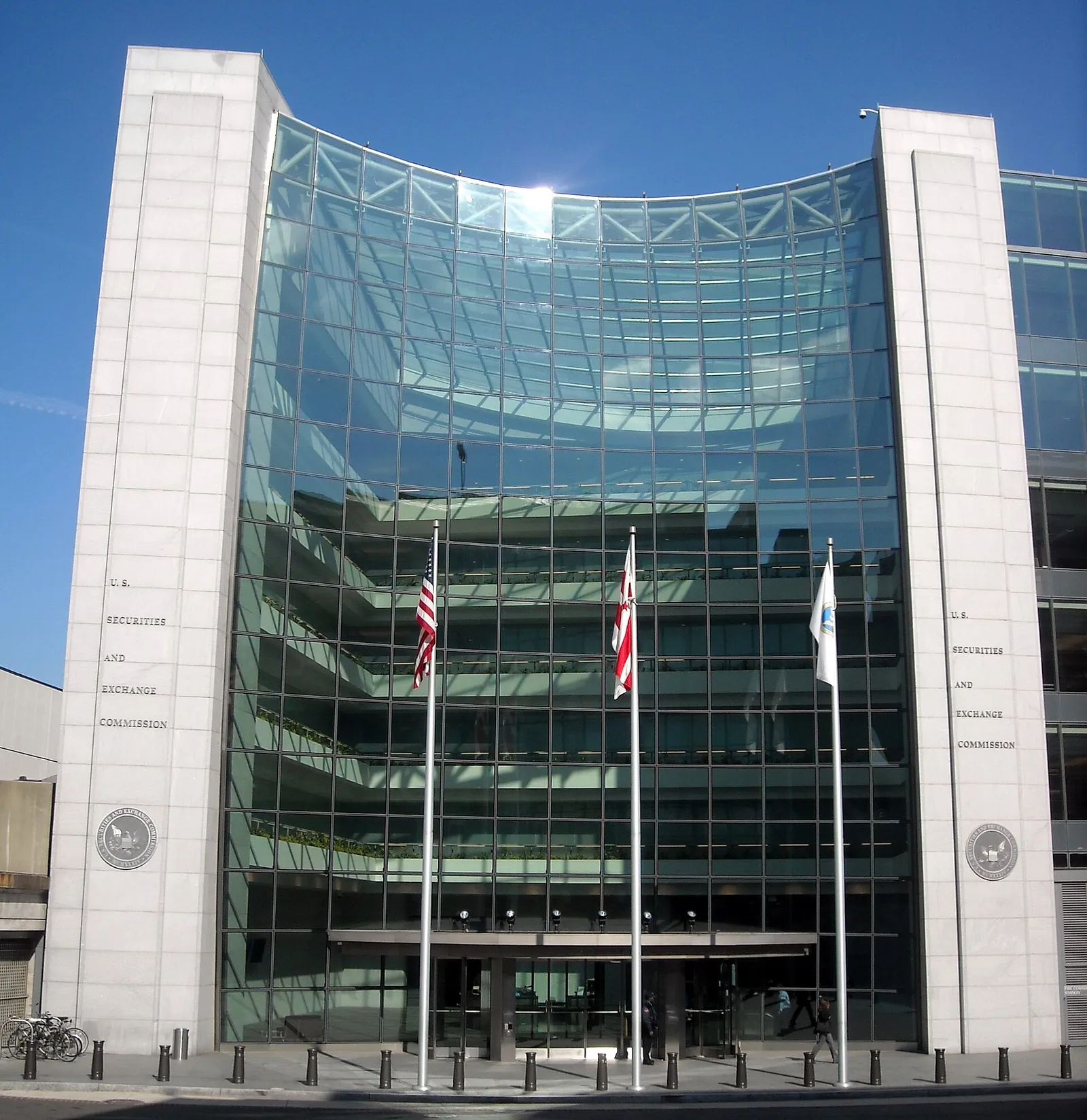
America's main markets regulator is putting more muscle behind protecting small investors from being ripped off. The US Securities and Exchange Commission said on July 7 that it had formed a Retail Fraud Working Group, a dedicated unit within its Division of Enforcement to hunt down schemes that target everyday people rather than large institutions, according to the SEC's announcement.
What "retail" means, and who runs the group
"Retail investors" are ordinary individuals investing their own money, the person putting savings into a brokerage account or a retirement fund, as opposed to "institutional" investors like pension funds, banks and asset managers that have compliance teams and legal firepower to protect them. It is precisely that lack of professional defenses that makes retail investors a favored target for fraud.
The new group will draw staff and resources from across the agency and is led by two senior enforcement officials, Kate Zoladz, a deputy director in the division, and Kim Frederick, an assistant director. It sits under the SEC's enforcement director, David Woodcock, who took over the division earlier in 2026 and has framed his tenure as a "back to basics" focus on protecting investors from real harm.
What it will target
The working group's remit covers the classic and the modern. It will pursue "offering frauds," where con artists sell securities on false pretenses; "pump-and-dump" schemes, in which promoters inflate a stock's price with coordinated hype and then sell into the frenzy, leaving latecomers with losses; market manipulation more broadly; and breaches of the duties that brokers and investment advisers owe their clients. The SEC said it would coordinate with state regulators, the Justice Department and foreign authorities, and expand investor-education efforts.
SEC Chairman Paul Atkins said the group "reflects our commitment to protect investors from fraud and is a return to the core values and principles of the enforcement program." Woodcock said the unit would bring "focused energy and resources" to the task, "using data and technology to find and stop those who seek to take advantage of retail investors."
Why now
The timing tracks a real explosion in online investment scams. The US Federal Trade Commission has reported that Americans lost billions of dollars to fraud originating on social-media platforms, with a large share tied to bogus investment schemes. The tactics have grown more sophisticated: fake "finfluencers" steering inexperienced investors toward unregulated offshore brokers, deepfake videos impersonating real advisers, and elaborate confidence schemes that show victims fake profits on a slick app before draining their accounts.
Why it matters
For the tens of millions of people who started investing during the retail boom of recent years, drawn in by commission-free apps and social media, the announcement is a signal that the cop on the beat is refocusing on their corner of the market. Enforcement groups do not, by themselves, stop fraud, and the SEC's ability to claw back money once it is gone is limited. But concentrating specialists on retail scams, and pairing them with data tools to spot suspicious patterns early, is aimed at catching schemes before they spread. The harder test will be whether the effort keeps pace with fraudsters who are using the same AI tools to make their cons more convincing. This article is informational and not investment advice.