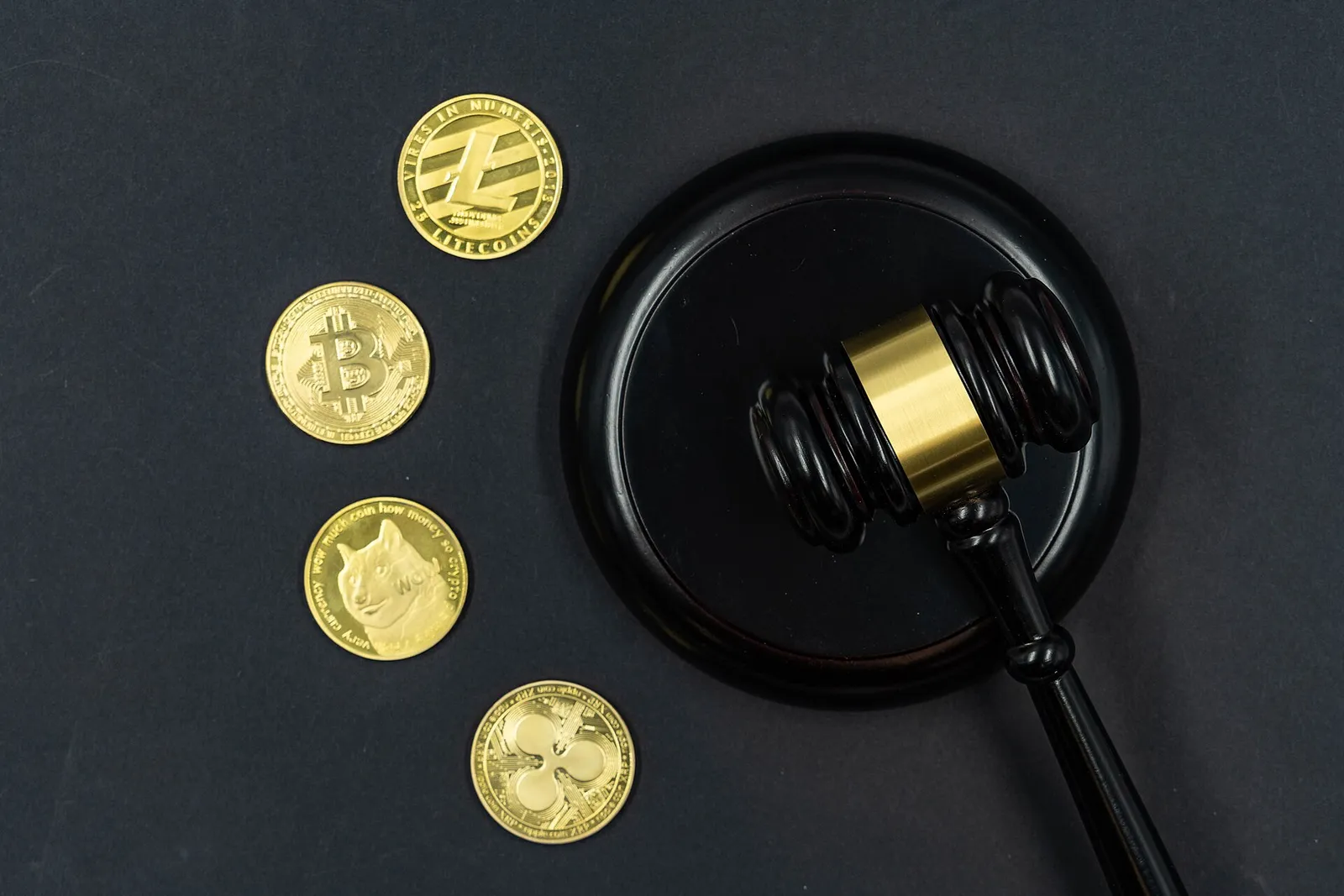
After years of fighting the crypto industry in court, America's top markets regulator is preparing to offer it a rulebook instead. The US Securities and Exchange Commission is expected to introduce a crypto "safe harbor" as soon as this month, Decrypt reported, part of a broader framework the agency has been developing under its current leadership.
What a "safe harbor" is
The core problem the safe harbor tries to solve is old: when is a crypto token a "security", and therefore subject to the same registration and disclosure rules as a stock? US law was written long before blockchains, and applying it strictly can make it nearly impossible to launch a new network without breaking securities rules from day one.
A safe harbor is a temporary exemption. It would give a crypto project a defined window, in earlier proposals about three years, to build and decentralize its network before the full weight of securities registration applies, provided it meets certain conditions such as disclosure to buyers. The idea is to give genuine builders room to develop, while still protecting investors with information and guardrails.
Whose idea it was
The concept is closely associated with SEC Commissioner Hester Peirce, nicknamed the "Crypto Mom" for her long advocacy of clearer rules. She first floated a three-year safe harbor in early 2020, CoinDesk reported at the time, when the agency was better known for suing token issuers than for accommodating them.
That idea is now moving toward the center of policy. Announcing a broader "Regulation Crypto Assets" effort earlier in 2026, SEC Chairman Paul Atkins credited Peirce directly, saying her "fingerprints are all over" the initiative and calling her "a principled, and sometimes solitary, voice calling for clarity", in his remarks. The framework is intended to include a startup exemption, clarity on when a token stops being treated as a security, and defined limits under which projects can raise money without full registration.
A reversal in posture
The shift is hard to overstate. The previous SEC leadership treated many token sales as unregistered securities offerings and pursued a wave of enforcement actions against exchanges and issuers, an approach critics said pushed crypto businesses offshore and supporters said protected investors from an unruly market. The current agency is framing regulatory clarity, rather than enforcement, as the goal, arguing that a defined path will bring crypto activity back onshore.
That change is not without controversy. A lighter-touch regime raises the perennial question of whether investors will be adequately protected in a market that has produced spectacular frauds and collapses. Supporters counter that clear rules are exactly what deter bad actors, by drawing bright lines between what is allowed and what is not.
What is, and is not, settled
Two cautions matter. First, this is a proposal in the making, not a law. Reports indicate the framework has been working its way through internal and White House review, and any formal SEC rule would still face a public-comment period before it could be finalized. Second, the details that will decide how useful the safe harbor actually is, the exact time limit, the fundraising caps, the disclosure requirements, are not yet nailed down publicly and should be treated as unsettled.
Why it matters
For crypto founders, a safe harbor would reduce the legal uncertainty that has hung over token launches for years, potentially making the United States a more attractive place to build. For investors, it promises clearer signals about which offerings carry securities-law protections and which do not. And for the wider argument about how to regulate digital assets, it marks a decisive move away from regulation-by-lawsuit toward regulation-by-rule, a change whose consequences, good and bad, will take years to judge. This article is informational and not investment advice.