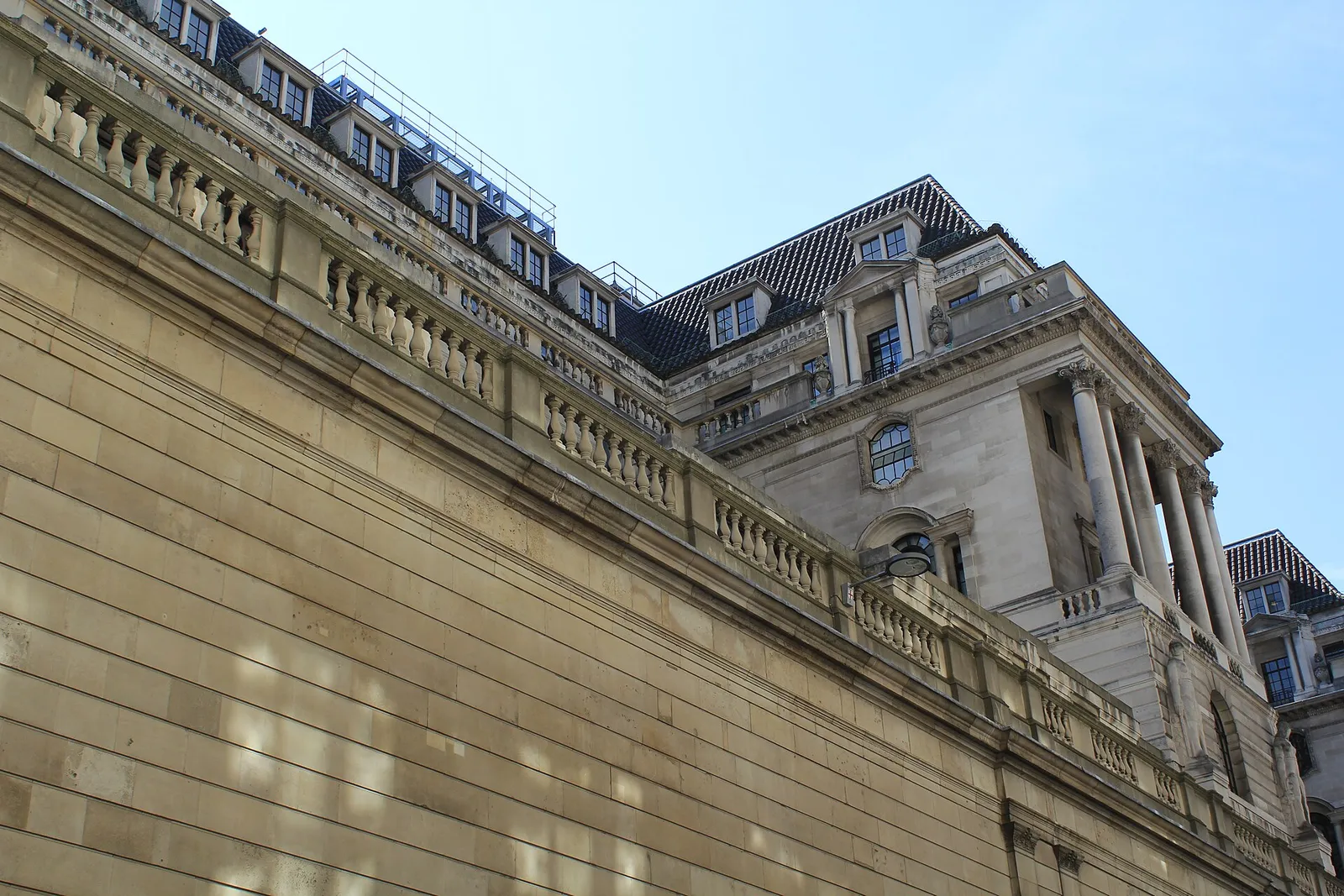
A senior Bank of England policymaker is pushing back against the idea that the inflation fight is nearly won. Huw Pill, the Bank's chief economist, has warned against "complacency," arguing that price growth still sitting above target is a problem — not something to shrug off because it used to be far worse.
The warning
Pill's concern is partly psychological. "I do fear a little bit that, because we saw inflation go to 11%, policy discussion becomes, 'oh inflation at 3% is not so bad,'" he told the Press Association. With the Bank's mandate fixed at 2% inflation, he said, today's overshoot "should be seen as problematic." UK consumer-price inflation stood at about 2.8% in May, above target and forecast to drift higher later this year.
Pill is the chief economist and a member of the Monetary Policy Committee (MPC), the nine-person body that sets the UK's Bank Rate (its benchmark interest rate). He is among its more hawkish voices — and he has put his vote where his words are, calling for a rate increase to 4% rather than a cut, dissenting alone in April and alongside Megan Greene in June. He bristled at the idea this is grandstanding: "I'm not dissenting because I want to get my name in the papers, or I want to be a troublemaker."
Why he's worried
Two arguments underpin the caution. First, much of the recent fall in headline inflation reflects one-off factors — tax and regulated-price changes — rather than genuine, durable cooling in underlying price pressures. Strip those out, Pill argues, and inflation is probably still running hotter than the headline suggests. Second, the renewed Middle East tensions have pushed oil and gas prices around, and a fresh energy spike could feed back into inflation — and risk "second-round effects", where higher costs and wages chase each other.
The Bank's own June forecasts back the caution: it projected CPI a little under 3% in the third quarter and a little over 3.25% in the fourth — comfortably above the 2% goal.
The rate-cut debate
This is the crux. Markets and some policymakers have leaned toward rate cuts, betting inflation is heading back to target; the MPC's majority voted in June to hold Bank Rate at 3.75%, with Pill and Greene the dissenters wanting it higher. Pill thinks the cuts already delivered — from a 5.25% peak in 2024 — came too fast given how sticky prices have proved.
The split echoes a debate playing out at other central banks. As Boursel reported, the US Federal Reserve's Tom Barkin recently called American inflation "too high" even while noting some relief — the same tension between declaring victory and guarding against a rebound.
Why it matters
For UK households, the message is that relief on borrowing costs may come slower than hoped: a Bank inclined to caution is less likely to cut rates quickly, keeping pressure on mortgages and other loans. For markets, Pill's stance signals the Bank may not follow any global rush to ease — relevant for gilt yields (UK government bond rates) and the pound. None of this is a forecast of where rates will land; the MPC will weigh the incoming data. But Pill's intervention is a pointed reminder from inside the Bank that, with inflation still above target and energy risks live, the job isn't finished — and complacency is the one thing he's determined to avoid.