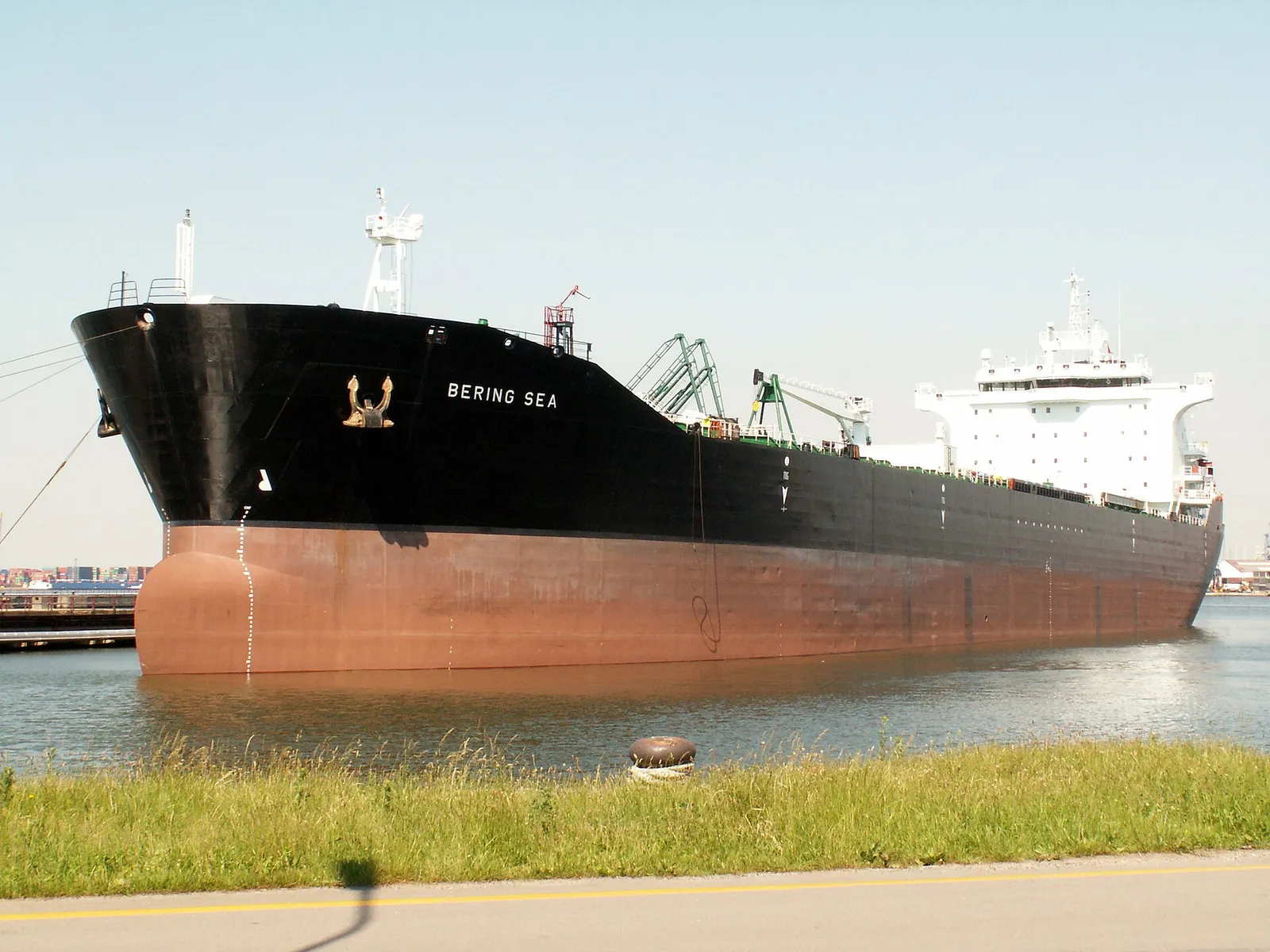
Brent crude traded just below $94 a barrel on Friday, on course for a second straight weekly gain of around 6% and roughly 39% higher than a year ago. West Texas Intermediate was near $86.
Some coverage has framed this as oil approaching $100. It is not: $94 is $94, and the gap between the two numbers is six dollars of assumption. What is happening is serious enough without the rounding.
The pump is where it lands
US retail prices tell the story better than the futures screen. Regular gasoline averaged $4.049 a gallon in the week to August 17, against $3.125 a year earlier, an increase of 92 cents, or about 30%.
Diesel is the outlier. It averaged $5.454 a gallon, against $3.713 a year ago: a rise of $1.74, or 47%. Diesel has climbed roughly half as much again as gasoline over the same twelve months.
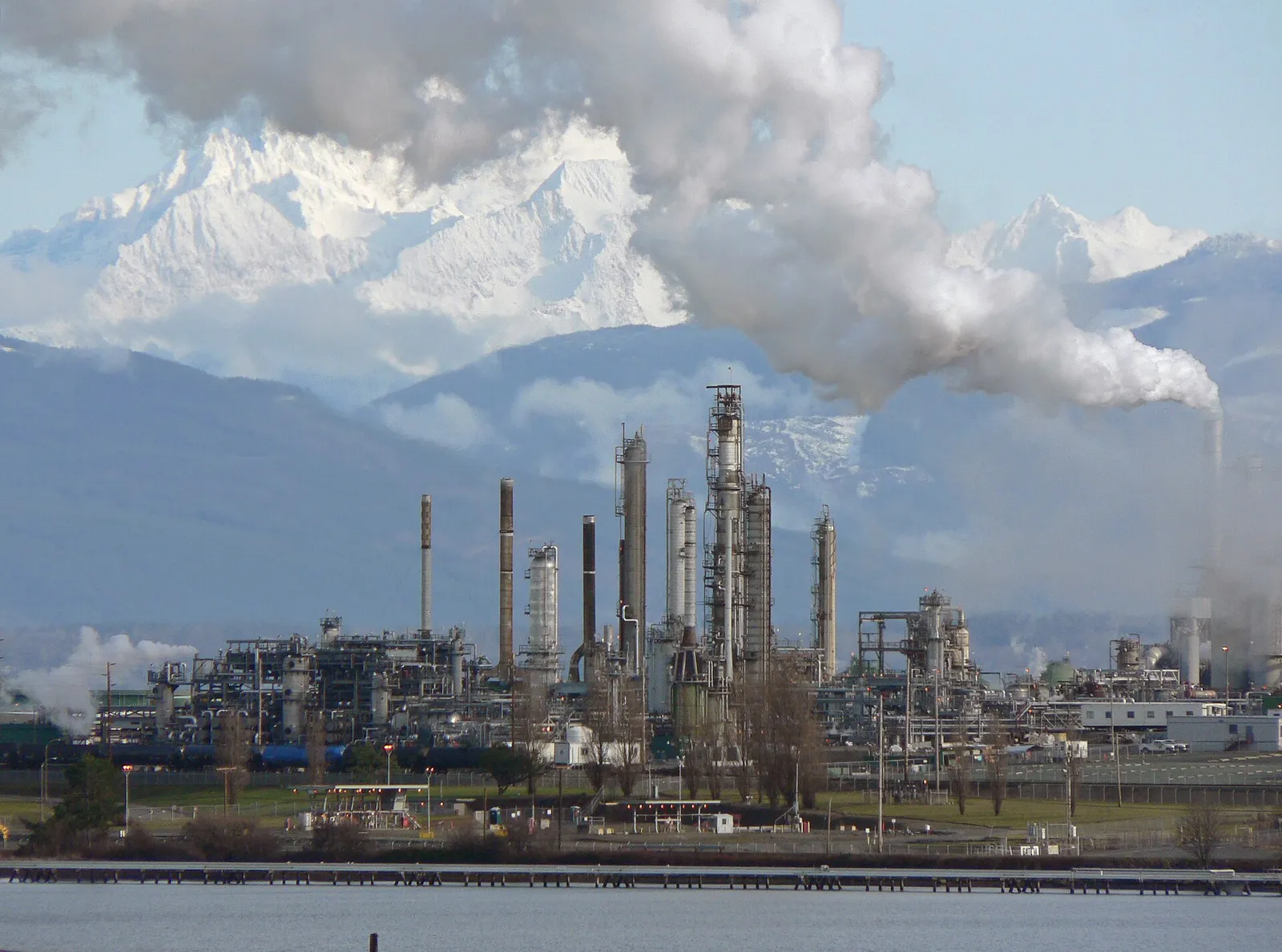
That divergence is not about crude, because both fuels come from the same barrel. It is about refining. Boursel reported this morning that the margin on turning crude into products has tripled this year, with distillate stocks about 13% below their five-year average and US refineries running at 97.2% of capacity. When the constraint is the refinery rather than the oilfield, the fuel that is scarcest rises fastest, and that is diesel.
Why diesel matters more than gasoline
Gasoline is a consumer price. Diesel is a producer price.
Diesel moves freight, runs farm equipment, powers construction plant and generators, and its close relative jet fuel flies aircraft. A 47% increase in the cost of diesel is an input cost shock that passes into the price of nearly every physical good, with a lag, through freight rates and delivery charges. Gasoline hurts household budgets directly and visibly; diesel does it indirectly and later, and shows up in the goods component of inflation months after the fact.
Walmart's finance chief pointed at this indirectly on Thursday, when he linked slowing US comparable sales to fuel costs and said customers were making trade-offs once prices passed $4 a gallon. That was about gasoline. The diesel effect on Walmart's own cost of moving goods arrives separately.
The geopolitics
The proximate cause is the escalating US campaign against Iran. Treasury Secretary Scott Bessent has described the coming measures as an "economic D-Day", and the administration has threatened penalties against countries that continue trading with Iran, which principally means China.
One detail is a better indicator than the headline price. Iranian crude, which has traded at a discount to Brent for years because buyers took a legal risk to purchase it, has reportedly moved from about a $3 discount to a $2 premium amid a US maritime blockade. A discount that becomes a premium means the barrels are not reaching the market at all, which is what actually tightens supply, as distinct from a threat that tightens sentiment.
What it does to the rate debate
The timing is awkward for the Federal Reserve. Inflation has been running near 3.5%, driven substantially by energy, and the July meeting produced three dissents in favour of a further rate increase. Then July payrolls fell by 23,000 against expectations of a gain, and market pricing swung towards a hold in September.
Energy-driven inflation is the hardest kind for a central bank to answer, because raising rates does not produce oil. The usual approach is to look through a supply shock and watch whether it feeds into wages and expectations. That works when the shock is brief. It gets uncomfortable when the same shock is in its second year and the price of the fuel that moves everything is up 47%.
Kevin Warsh gives his first Jackson Hole address as Fed chair next Friday. How he treats the energy component of inflation is now among the more consequential things he will say.
Markets closed a poor week: equities fell as yields and oil stayed high, with the 10-year Treasury at about 4.73% and the 30-year at 5.27%, both higher again on the day.