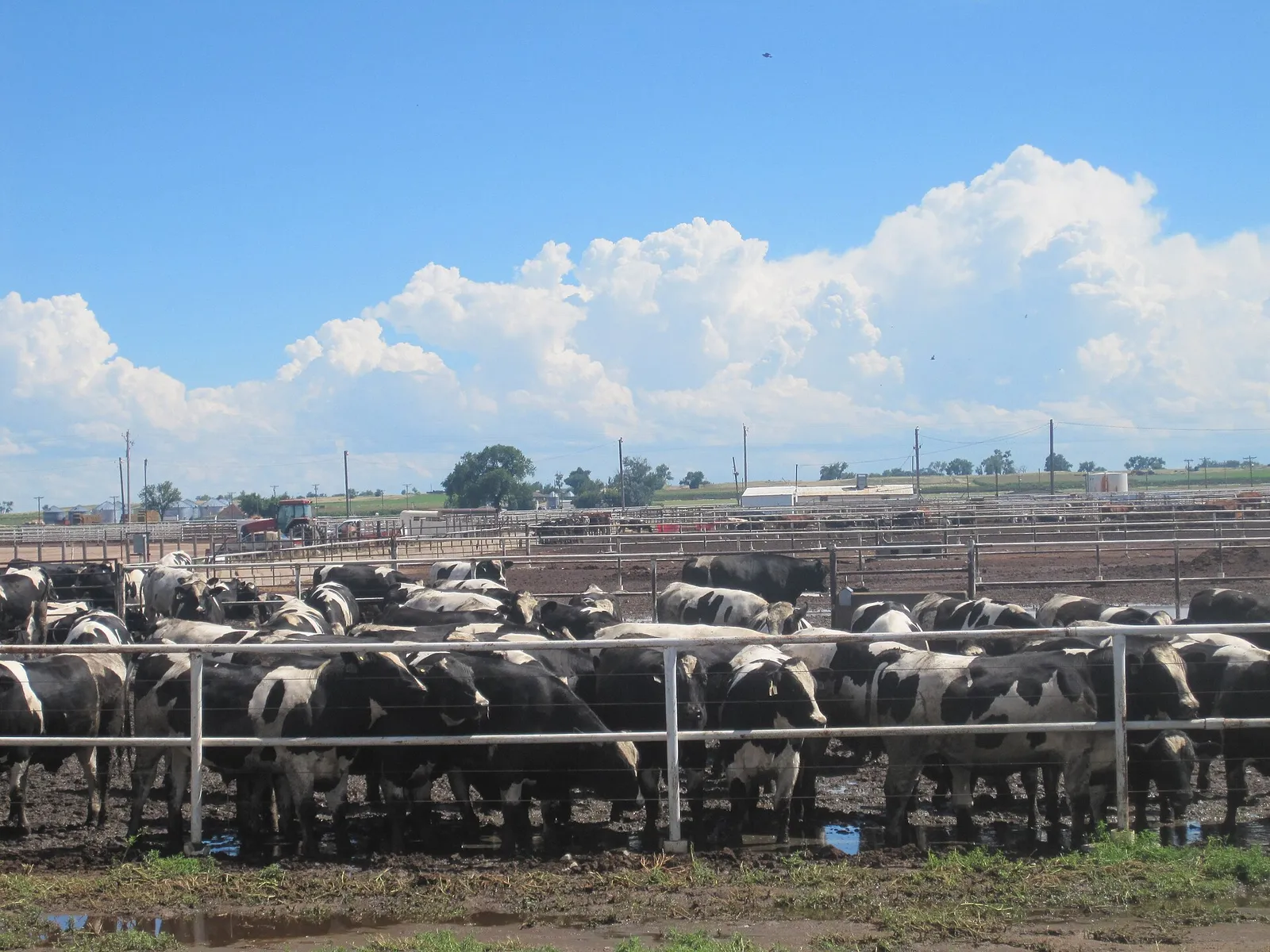
Tyson Foods is closing its beef plant at Joslin, Illinois and its case-ready facility at Eagle Mountain, Utah, and looking for a buyer for its plant at Pasco, Washington. The company says it will anchor the business on three plants at Dakota City, Nebraska, Holcomb, Kansas and Amarillo, Texas, and ramp a second shift back up at Amarillo.
Tyson's own explanation is unusually direct. It cites "one of the most historic cattle shortages the country has ever experienced," and points to limited heifer retention in the US Department of Agriculture's inventory data as evidence that the shortage will persist. The company did not disclose job numbers or capacity figures; local reporting puts the Utah layoffs at 723, and the Joslin plant employed a larger workforce still.
The number underneath everything
The US cattle herd stood at 86.2 million head on January 1, the smallest since 1951.
That single figure explains both the plant closures and the price of a steak, and it is the product of a slow chain of decisions. Drought across the western ranges through the early 2020s pushed ranchers to sell breeding animals rather than feed them. High interest rates made it expensive to borrow against a herd you would not sell for two years. Screwworm restrictions cut into imported cattle from Mexico. And the price of a cow got high enough that selling her was more attractive than keeping her to calve.
That last part is the trap. Rebuilding a herd means holding back heifers, which are the animals that would otherwise be sold for beef, so the act of rebuilding tightens supply further and pushes prices higher still before it relieves them. The turn takes years, because a heifer held back today produces a calf next year and a finished animal roughly two years after that.
Why fewer plants does not mean cheaper beef
The intuition that closing factories raises prices, or that a shortage of processing capacity is what makes beef expensive, gets this market backwards.
American beef packing has more capacity than there are cattle to fill it. That is precisely the problem: plants have high fixed costs and only earn money when they run near full, so a shortage of animals means several large plants bidding against each other for a shrinking supply, paying up for cattle while selling beef into a retail market that will only bear so much. The margin gets squeezed from both ends, which is how a processing business loses money in a year when consumers are paying record prices.
Closing plants removes some of that excess capacity. It does not create a single additional animal, and cattle supply is what sets the price. It may improve packer margins over time by reducing competition for cattle, which is a benefit to Tyson and a cost to ranchers, and is the reason concentration in meatpacking draws antitrust attention whenever it increases.
So the honest answer to what these closures do to grocery prices is: very little, in either direction. Beef prices are high because there are not enough cattle, and they will stay high until there are.
What shoppers are actually paying
Ground beef averaged about $6.89 a pound in July on the Bureau of Labor Statistics average price series, roughly 9% higher than a year earlier, with uncooked steaks around $13.06 a pound, up about 9.6%.
Those increases are running well above the overall inflation rate, which is why beef shows up in consumer sentiment out of proportion to its share of the shopping basket. It is a visible, frequently purchased item whose price is set by a supply cycle measured in years rather than by anything monetary policy touches.
What to watch
The USDA's cattle inventory reports are the leading indicator, and the line that matters is heifer retention: how many young females are being held back for breeding rather than sent to feedlots. Until that number turns up decisively, the herd is not rebuilding.
For households, the practical read is that beef is likely to stay expensive relative to chicken and pork through at least the next couple of years, and that substitution towards those proteins is the adjustment the market is engineering. Nothing in this week's announcement changes that timetable.