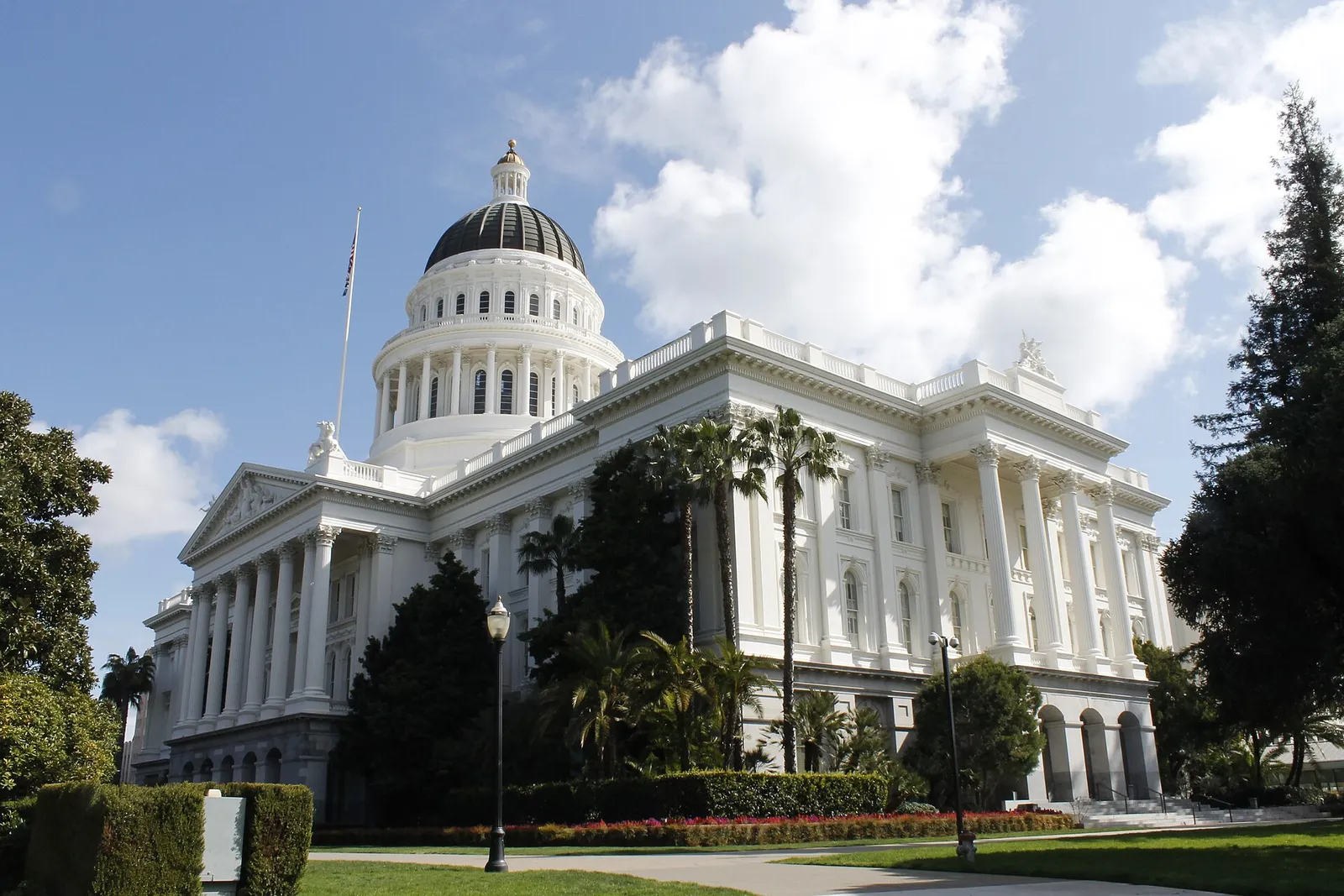
The contest to put AI into government just produced a marquee deal. California has partnered with Anthropic, the San Francisco AI company, to offer its Claude assistant to state agencies and local governments under a single statewide arrangement — what Governor Gavin Newsom's office called a first-of-its-kind partnership. The state said it is the first to make a single large language model available across all of its agencies, plus cities and counties.
What the deal includes
Under the agreement, Claude is offered at a roughly 50% discount, with free workforce training and technical support from Anthropic, the governor's office said. The tool is to be made available through the state's shared IT services portal, and state workers would use it for everyday tasks — drafting and summarizing documents, analyzing information, and streamlining administrative work.
Several agencies have already been piloting Claude, according to CBS Sacramento: the Department of Motor Vehicles to improve customer service, the Department of Health Care Services (which runs the nation's largest Medicaid program) for internal workflows, and technology and emergency-services teams for cybersecurity work such as reviewing and patching code. "AI should not replace the human work of government; it should help our workers move faster," Newsom said in the announcement.
(Terms have limits worth noting: the state did not specify a contract length or long-term cost, and a discounted, support-heavy launch is a common way for vendors to seed a new market.)
The government-AI race
The deal is a data point in a fast-growing market: selling frontier AI to the public sector. Rivals are chasing the same prize — OpenAI has marketed government-focused offerings and signed federal deals, and Google and others are courting agencies too. The appeal is scale: California alone employs roughly 275,000 people across state agencies, and if other states follow, the addressable market grows quickly. Boursel has tracked the same push at the federal level.
A large language model, for the uninitiated, is the kind of AI system — trained on vast amounts of text — that powers chatbots and writing assistants. Deploying one across a government raises real questions about accuracy, bias, privacy and oversight, which is why such rollouts typically start with pilots and human review rather than full automation.
A notable political backdrop
The partnership lands at a sensitive moment for Anthropic. As Boursel has reported, the US government moved to restrict the company's most capable models on national-security grounds earlier this year. California's decision to expand Anthropic's footprint in state government runs in the opposite direction from that federal caution — a contrast worth flagging, even if the two actions concern different products and concerns. Anthropic, for its part, publicly emphasizes AI safety in how it builds and markets its models.
Why it matters
For Anthropic, a statewide government contract is a credibility marker and a potential template for deals with other states. For the broader market, it underscores that government is becoming a real revenue channel for AI firms — and that the competition to supply it is intensifying. The open questions are the ones that attend any large public-sector technology rollout: whether it delivers measurable improvements in service and cost, and whether the safeguards keep pace with the deployment. On those, the verdict will come from how the pilots perform, not from the announcement.