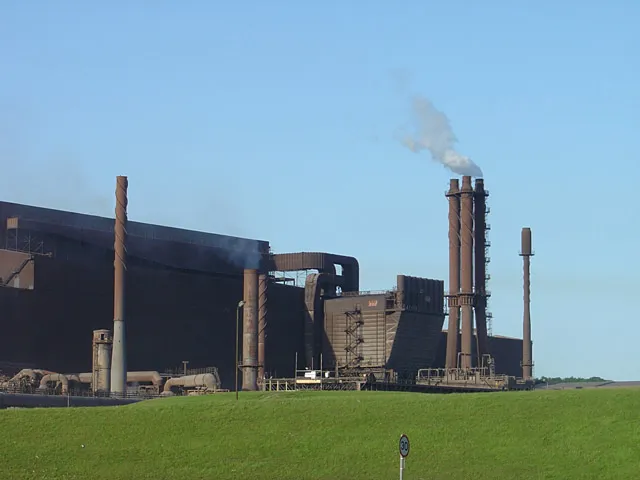
Britain's decision to take British Steel into public ownership has drawn an angry response from Beijing, turning a domestic industrial rescue into a diplomatic and trade dispute. China's commerce ministry said the UK's move had "seriously infringed upon" the rights of Jingye, the Chinese group that owned the company, and had "severely undermined the confidence of Chinese companies investing in the UK," according to reporting on the statement.
What China said
The complaint was pointed. Beijing accused Britain of having "forcibly took control of the company in the name of national security" while disregarding Jingye's contribution to the UK economy, and called on London to "uphold fairness, impartiality and non-discrimination" toward Chinese firms, per the ministry's statement. It urged the UK to "faithfully fulfil" its obligations under the bilateral investment treaty between the two countries, framing the nationalization as a possible breach of international commitments, and said it would monitor the situation and support Chinese companies in protecting their rights.
The reference to the investment treaty matters. Such treaties are meant to protect foreign investors from having assets seized without fair compensation, and they typically allow disputes to be taken to international arbitration if the two sides cannot agree. Jingye has been seeking compensation for its losses; the specific figure is disputed and has not been confirmed, but the door is open to a drawn-out legal fight.
How Britain got here
The clash is the aftermath of a rescue Boursel reported earlier. The Scunthorpe works is the UK's last site able to make steel from raw materials, and the government moved to save it after relations with Jingye, which bought British Steel in 2020, broke down over the future of its loss-making blast furnaces. After taking emergency operational control in 2025, the UK completed a full nationalization this month under the Steel Industry (Nationalisation) Act, securing the plant and roughly 2,700 jobs.
The British government has been unapologetic. It cast the takeover as essential to preserve domestic steelmaking for construction and defense, with officials declaring that "British Steel now belongs to the British people," as cited by Fortune, while acknowledging the rescue is costly. From London's view, letting the country's last virgin-steel furnaces go cold was a strategic risk it could not accept.
Why it matters beyond steel
The dispute is a flashpoint in a larger question facing many Western economies: how to weigh openness to foreign investment against control of assets deemed strategically sensitive. Britain welcomed Chinese capital into its steel industry, then reversed course on national-security grounds, and Beijing's protest is partly a warning about how such reversals look to Chinese investors weighing future deals. It also risks souring the wider UK-China economic relationship at a delicate moment in British politics.
For now the practical stakes are a compensation claim and the precedent it sets. If the matter goes to arbitration, it will test how far investment treaties protect foreign owners when a government invokes national security, an increasingly common justification worldwide. Boursel will follow the dispute and any settlement.