American importers are getting a large sum of money back, and it traces to a landmark court defeat for the White House. Earlier this year the Supreme Court struck down the broad tariffs President Trump had imposed, and the government is now refunding what companies paid: about $71 billion has been repaid so far, with more than $100 billion authorized, out of roughly $166 billion collected, according to trade data and reporting.
What a tariff is, and why refunds are happening
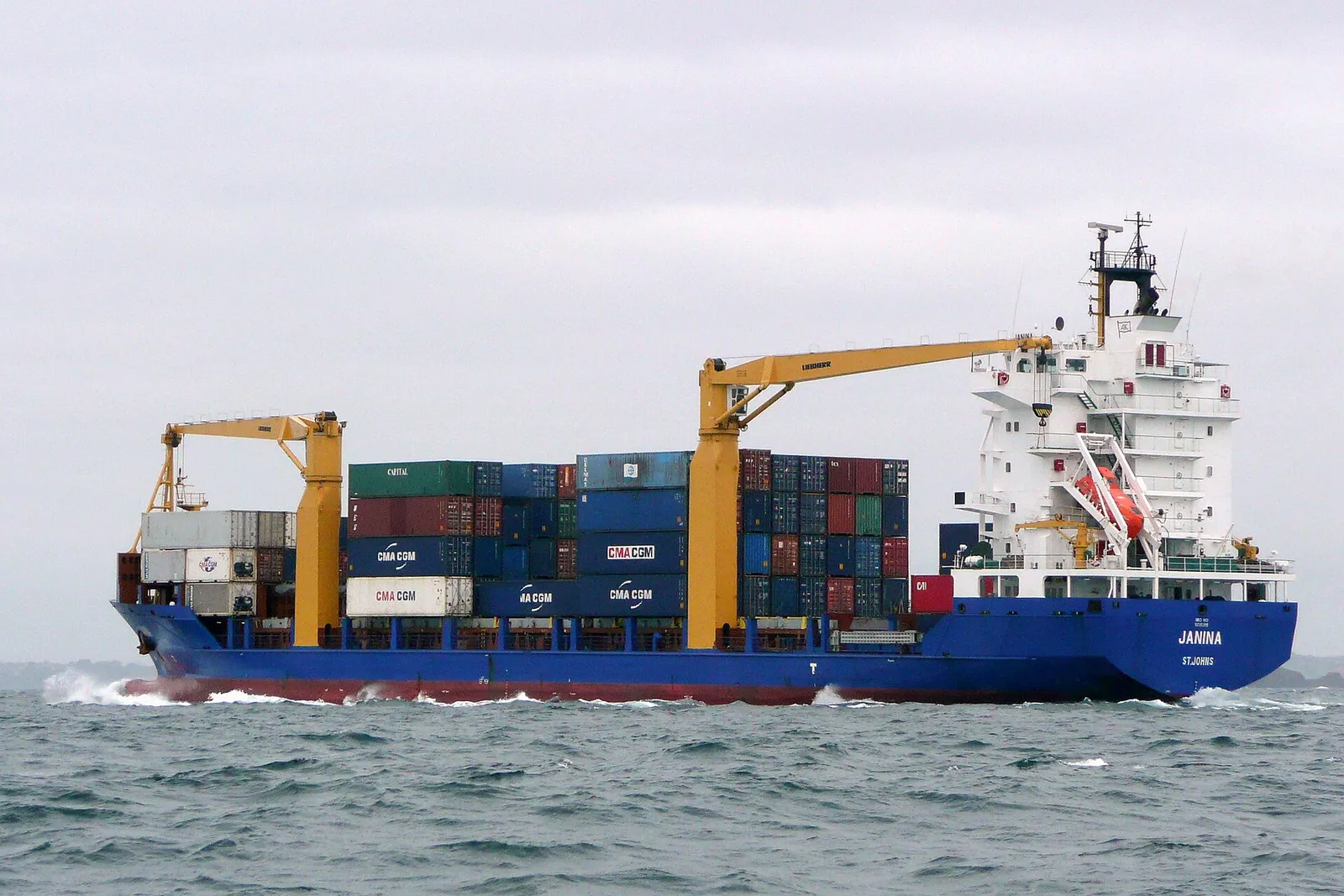
A tariff is a tax on imported goods. It is paid to the government by the company bringing the goods into the country, the importer, not by the foreign seller, and importers typically pass some or all of that cost down the chain to manufacturers, retailers and ultimately shoppers. So tariffs tend to raise consumer prices.
These particular tariffs were imposed using emergency economic powers. In early 2026 the Supreme Court ruled that the law in question did not actually authorize the president to levy tariffs this way, in effect finding the duties were collected unlawfully. That ruling opened the door for importers to reclaim the money, and US Customs and Border Protection has been processing those refunds since, with the first repayments beginning after the decision, per CNBC. Because so much was collected, from hundreds of thousands of importers, the total to be returned is enormous.
The twist: prices aren't falling
In theory, if a cost that pushed prices up is refunded, prices should ease. That is not happening much. Rather than pass the refunds on as lower prices, many companies say they are keeping the money to offset other costs that have risen, above all the effects of the conflict involving Iran. Tension in the Gulf has pushed up oil, shipping and input costs, and firms are using the tariff windfall to cushion those increases instead of cutting what they charge. Boursel notes this framing, that refunds are being absorbed rather than passed on, comes from company statements and analysts, and the picture varies by firm: a few retailers have trimmed prices, while others are protecting their profit margins.
Why it matters
The episode is a neat illustration of two forces cancelling out. A court decision handed households a potential break by clawing back an unlawful tax; a geopolitical shock in the oil market took much of that break away before it could reach shoppers. The net effect is that a very large refund is flowing to corporate balance sheets rather than to consumer prices, functioning, as some analysts put it, more like a quiet boost to earnings than relief for households.
There is also a fiscal angle. Money the government had collected and, in some cases, already counted on is now flowing back out, a reminder that tariffs are not a free source of revenue when their legal basis is shaky. And the ruling reshapes the tariff debate itself: if emergency powers cannot be used this way, future trade barriers may have to go through slower, more durable legal channels. Boursel will track how much of the refund, if any, eventually reaches prices.