The assets investors bought to protect against a debased dollar are now falling for the same reason: the dollar is winning.
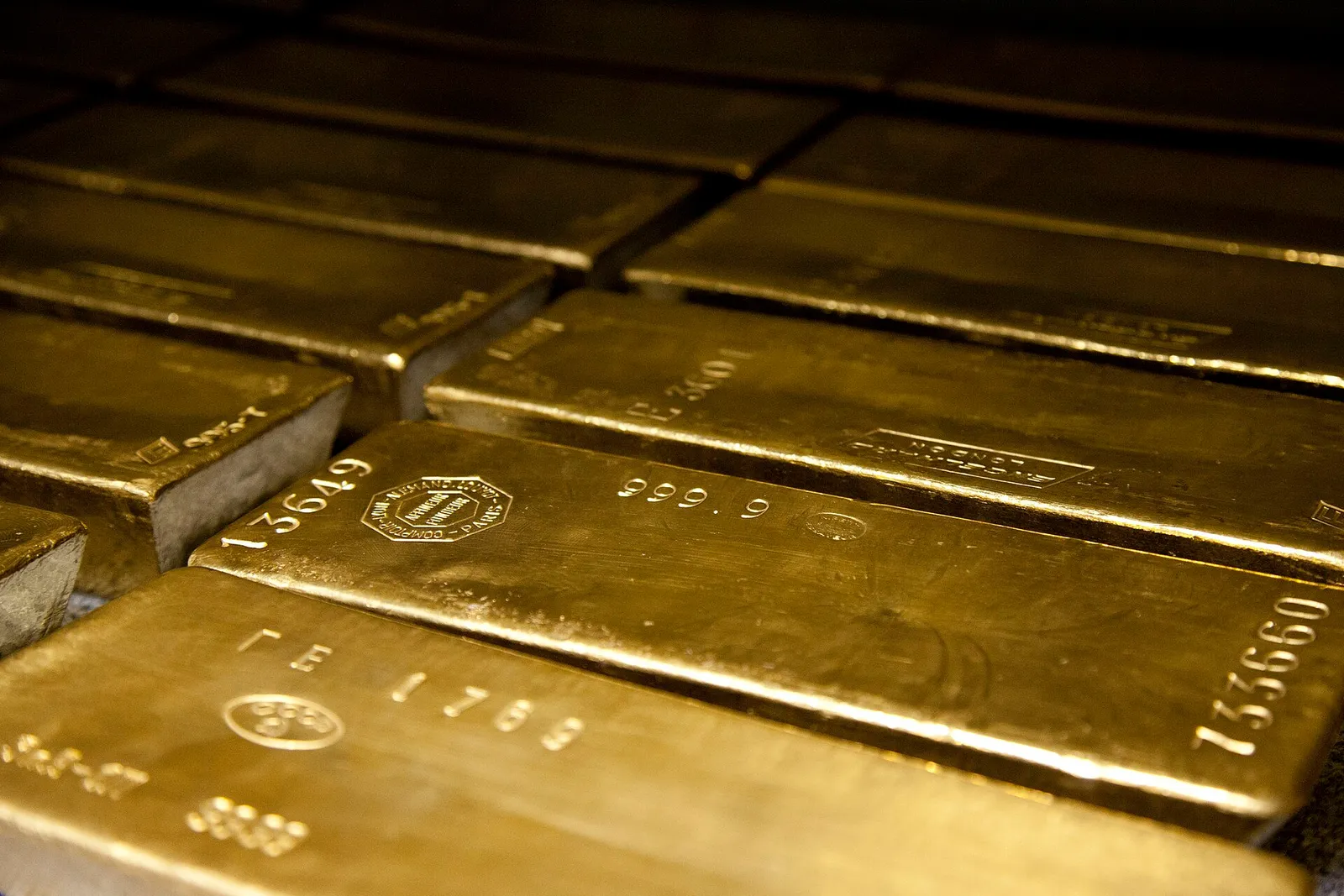
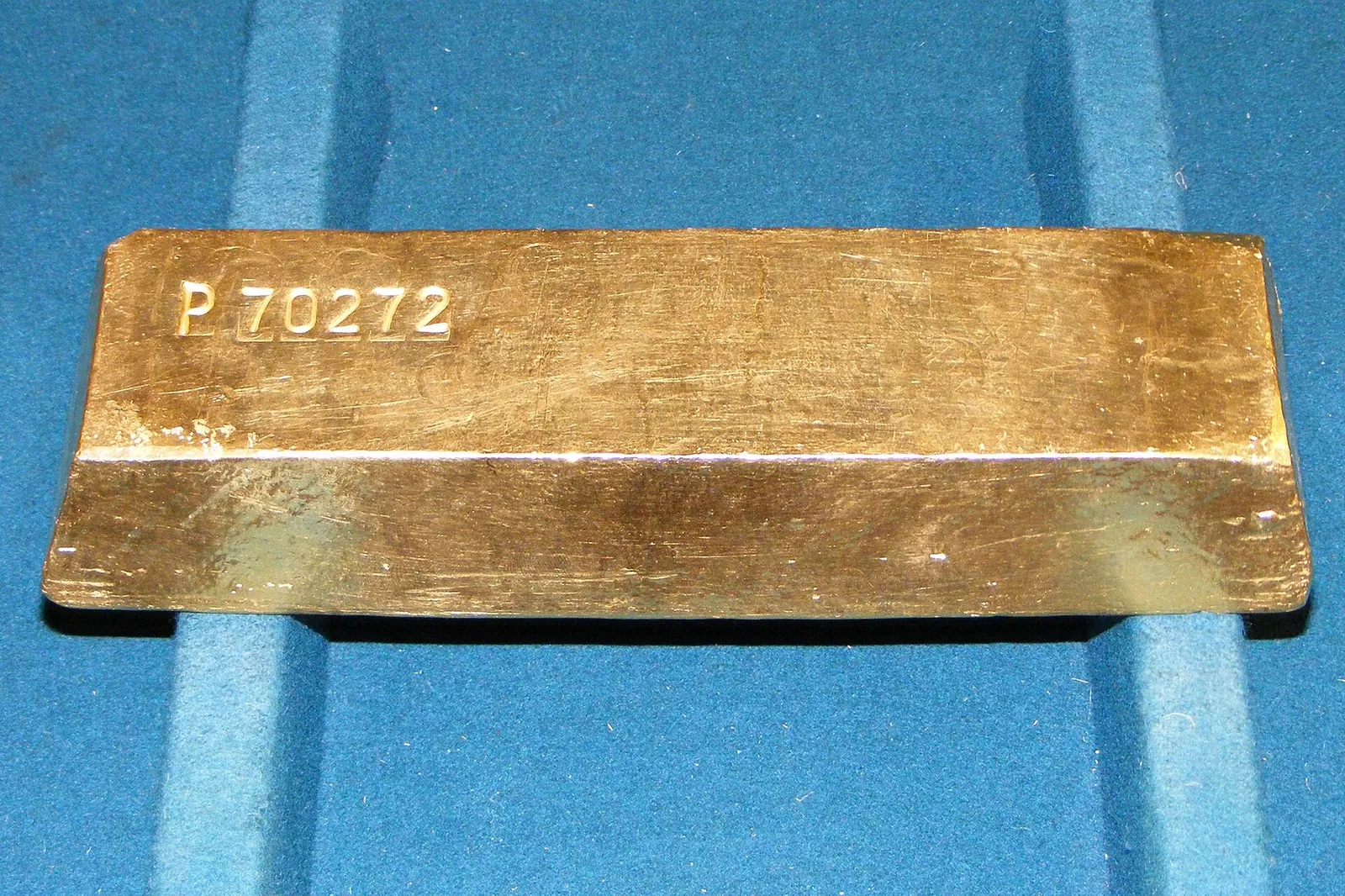
Gold has dropped roughly 28% from its January peak of about $5,600 an ounce, sliding below $4,000 this week and closing near $3,970 on June 24, down about 3.5% on the day, its first visit to that level since November, per Bloomberg. Silver has been hit harder, down more than 50% from a record near $120 an ounce to below $59. Bitcoin has fallen below $62,000, roughly a 50% drop from its October all-time high, slipping under its 200-week moving average of about $62,800, according to CoinDesk.
What the 'debasement trade' is
Through the past year, the dominant market story was the "debasement trade." The logic: persistent U.S. budget deficits, rising government debt and the risk of renewed inflation would erode the dollar's purchasing power over time. So investors crowded into assets that are hard to print more of — gold, silver and bitcoin — as a "store of value," a place to park wealth that should hold up if the currency weakens. Because the same narrative lifted all three, they rose together. Now they are falling together.
Why it is unwinding
The trigger is a sharp repricing of Federal Reserve policy. The U.S. Dollar Index reached 100.15, its highest since May 2025, capping a roughly 13-month climb. A stronger dollar makes dollar-priced metals more expensive abroad and competes directly with assets that pay no income.
That strength reflects rate-hike bets and a stock-market rout boosting demand for the currency, per CNBC. New Fed Chair Kevin Warsh, who succeeded Jerome Powell in May and is viewed as an inflation hawk, has stressed that the central bank "will deliver price stability." Markets now price two quarter-point hikes by early 2027, which would lift the federal funds rate to 4.00%–4.25%.
The mechanism runs through real yields — the interest a Treasury bond pays after subtracting expected inflation. When the Fed turns hawkish, real yields rise, raising the opportunity cost of holding gold, silver or bitcoin, none of which pay interest. The case for owning them weakens precisely as the case for cash and bonds strengthens.
The cross-asset lesson
This ties to Boursel's recent coverage of gold sliding on a strong dollar, the dollar's push to a 13-month high, and the bitcoin and Strategy (formerly MicroStrategy) selloff. The takeaway: correlation cuts both ways. Assets that climbed on a single macro story tend to unwind together when that story reverses, offering less diversification than their different labels suggest. CoinDesk notes bitcoin had still gained about 30% against gold and 55% against silver since February — a reminder the moves are not identical.
What happens next is uncertain. A cooler inflation print or a Fed pause could stabilize real yields and the dollar, easing pressure on hard assets; further hawkish signals could extend the dollar's run and keep the debasement trade in retreat. The path will likely hinge on incoming inflation data and the Fed's next decision. This is analysis, not investment advice.