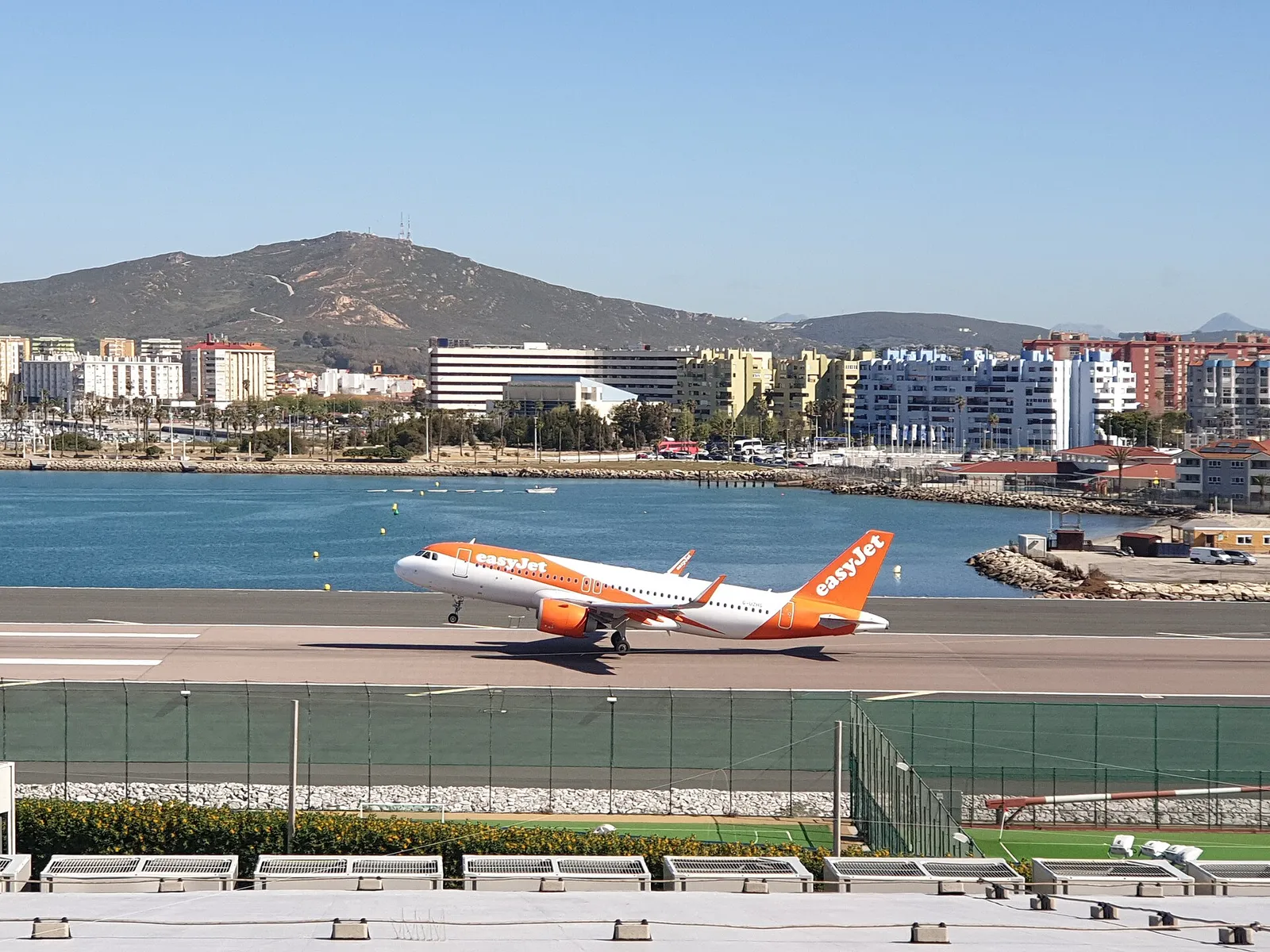
EasyJet has said no for a fourth time — but, for the first time, left the door ajar. The budget airline's board rejected a 650-pence-a-share, all-cash takeover proposal from the U.S. investment firm Castlelake, valuing easyJet at roughly £4.9 billion, while agreeing to share some commercial information in the hope of drawing out a higher offer, Bloomberg reported.
Four bids, four rejections
Castlelake's pursuit began on June 12 at 560p a share, followed by 600p and 625p, before the 650p proposal landed and was rebuffed, according to Proactive Investors. At 650p, the offer is roughly 65% above easyJet's 394.2p share price on May 28, before the approach became public. The stock had closed at 539p on June 24 and rose about 5% to around 567p after the rejection and the board's signal that it would engage — a sign the market sees a deal as plausible at a higher price. Large shareholders have reportedly told the Financial Times they would engage at 700p or more.
Who is bidding
Castlelake is a Minneapolis-based alternative investment manager, not an airline — it runs about $25 billion in assets and has invested heavily in aviation over two decades. Because European Union rules require an EU-based airline to be majority-owned and controlled by EU nationals, Castlelake structured its bid vehicle so that 49% would be held by Castlelake and co-investors including Brookfield Asset Management, and 51% by two EU nationals: Peter Bellew, a veteran airline executive who has held senior roles at Ryanair, easyJet and Malaysia Airlines, and the aviation investor Mark Breen.
Why the board said no
EasyJet's directors gave two reasons, per RTÉ: the price "substantially" undervalues the company, and they have concerns about the unusual ownership structure and whether the deal could actually clear regulatory and other conditions without a value-sapping delay. Granting limited due diligence stops well short of a recommendation, but signals the gap may be narrowing. Under UK takeover rules, Castlelake now has until July 5 — a deadline extended by nine days — to make a firm offer or walk away for six months.
EasyJet's position
EasyJet is no distressed target. It reported headline pre-tax profit of about £665 million for the year to September 2025, up 9%, on revenue near £10.1 billion, and ended the year with a net cash position. Its growing holidays business has diversified earnings beyond flying.
But it is squeezed in Europe's low-cost market: Ryanair undercuts it on costs at greater scale, Wizz Air competes hard in the east, and legacy carriers have trimmed short-haul costs through low-cost subsidiaries. That competitive bind is part of why a financial buyer sees value others might unlock.
The bigger picture
A successful Castlelake deal would be a notable first — a U.S. private-capital vehicle taking control of a major European scheduled airline, via an ownership structure tailored to EU rules that easyJet itself is questioning. It would also fit a wave of European aviation consolidation, with Air France-KLM moving to take majority control of SAS. For now, the ball is in Castlelake's court: raise the price enough to win the board's backing by July 5, or step back.