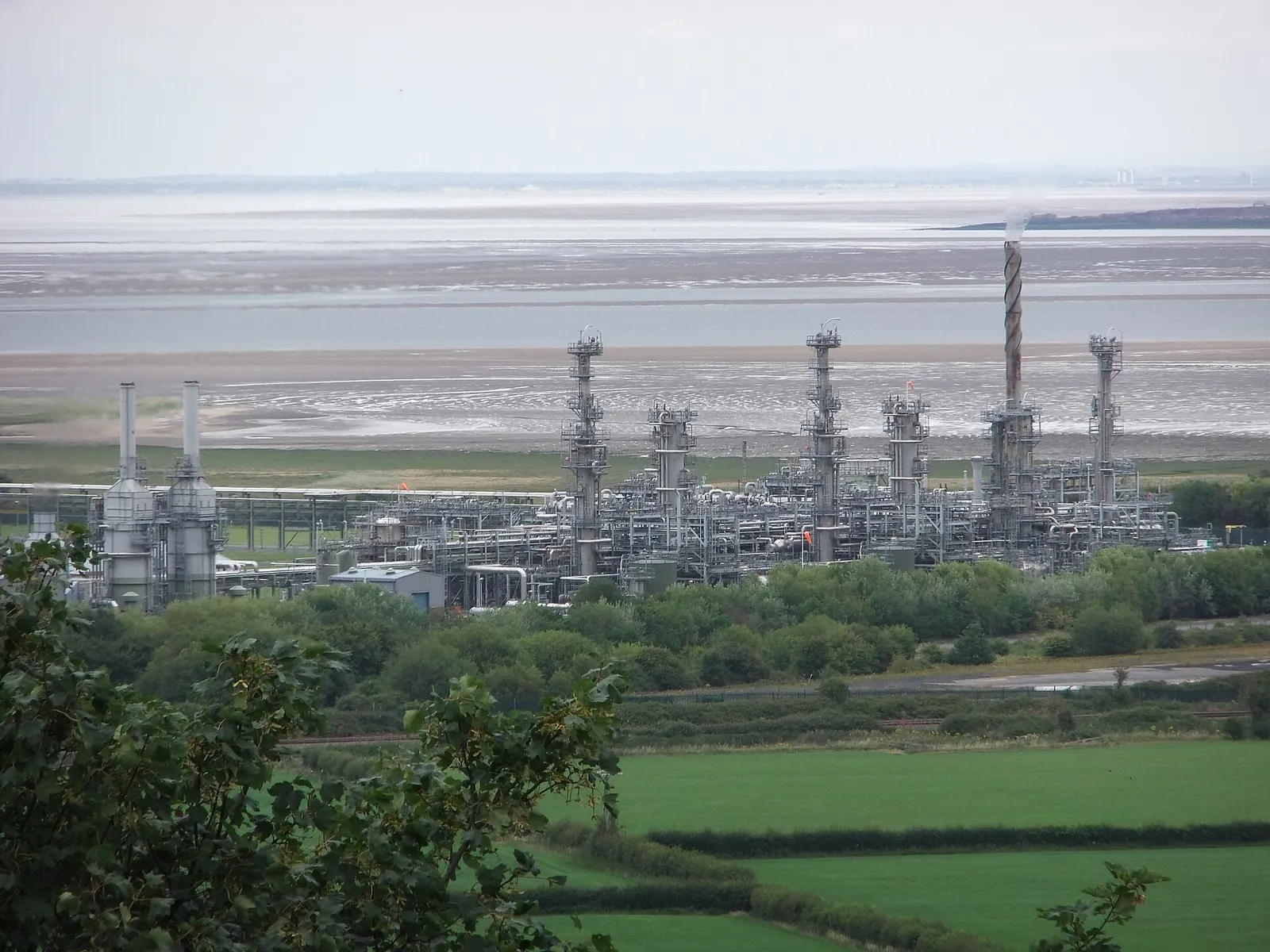
Europe is catching an energy break. The Dutch TTF — the benchmark price for continental European natural gas — is on course for its first quarterly fall in over a year, trading around €43 a megawatt-hour, Investing.com reported. After a jittery spring, prices have eased — though Europe's depleted storage means the calm could prove short-lived.
Why prices are falling
Several forces are pushing gas down at once:
- The Middle East premium has faded. Gas spiked alongside oil during the Iran-related tensions Boursel covered; with crude back near pre-conflict levels and tankers moving freely through the Strait of Hormuz again, that fear premium has drained away.
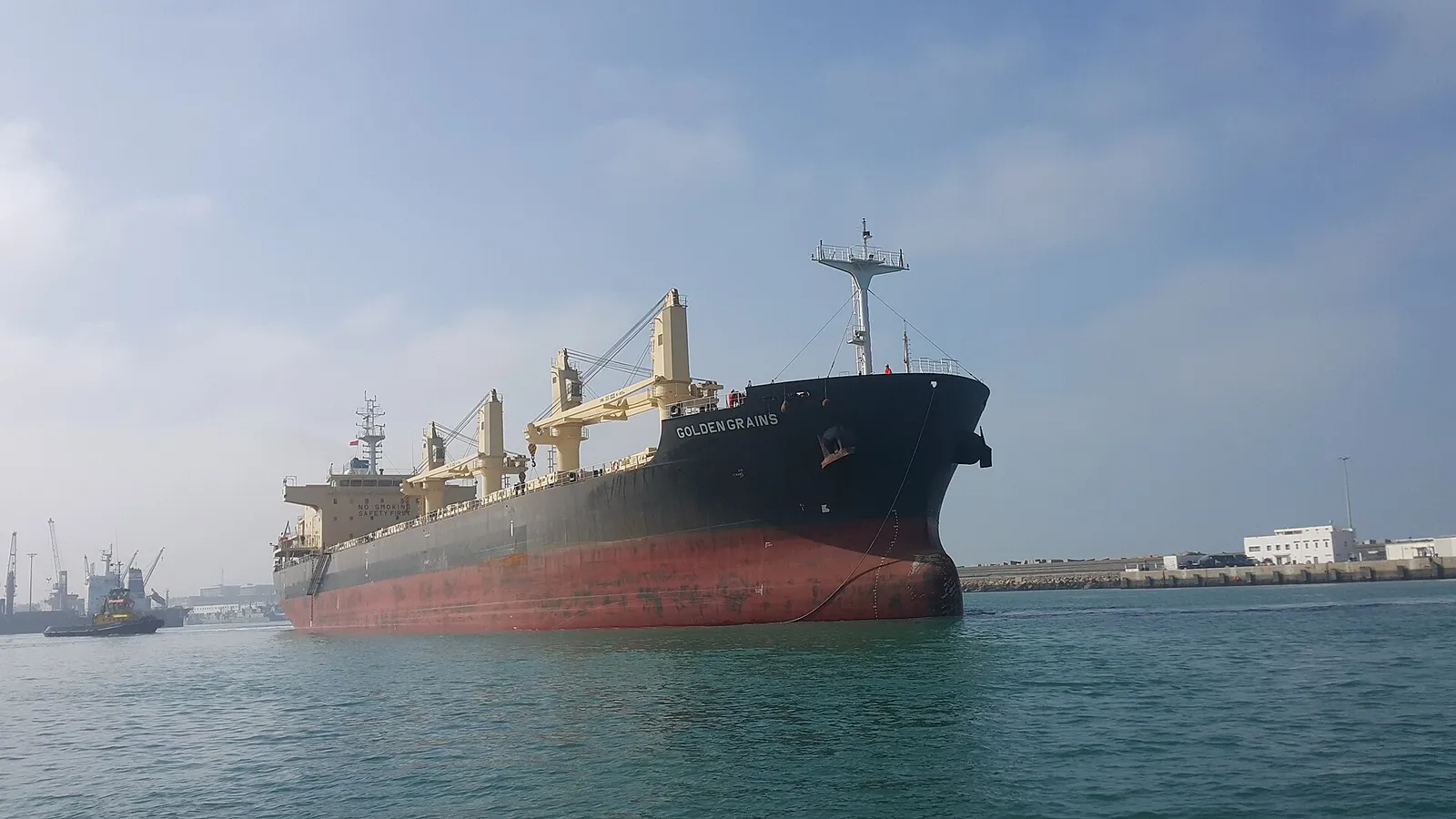
- LNG is flooding in. New liquefied natural gas capacity in North America has lifted Atlantic exports, and Europe is leaning more heavily on seaborne LNG — it made up well over half of EU gas imports early this year, per EU data.
- Demand is soft. A mild spring cut heating use, and renewables are displacing some gas in power generation; analysts expect European gas demand to slip this year.
(Quick explainer: TTF — the Title Transfer Facility, a Dutch trading hub — is to European gas what Brent is to oil: the reference price the continent pays. It feeds directly into electricity bills and inflation.)
The catch: storage is low
Here's why nobody in Brussels is celebrating. Europe's gas storage sits unusually low for the season — by some measures only around a third full in June, well below the multiyear average. That's the lingering scar of 2022, when Russia cut off most pipeline gas (EU imports from Russia fell from roughly 146 billion cubic meters in 2021 to a fraction of that), leaving Europe dependent on imported LNG and an annual summer scramble to refill tanks before winter.
The EU wants storage back near 80% by November. With levels starting low, the continent must inject large volumes over the summer — which keeps a floor under demand and means there's little cushion if anything goes wrong.
Why it matters
Cheaper gas is good news on inflation. Energy costs have been a big driver of euro-zone price rises, so a sustained gas decline helps the European Central Bank toward its 2% target — reinforcing the easing pressure Boursel flagged when oil retreated. It's also relief for households facing heating bills and for energy-intensive industry (chemicals, steel, fertilizer) whose competitiveness hinges on power costs.
But the gains are fragile. A cold winter, an LNG-supply hiccup, or a fresh geopolitical shock could send TTF climbing again fast — and with storage this thin, Europe can't absorb a shock the way it once could. Boursel makes no price forecast; the takeaway is that Europe is enjoying a genuine but precarious reprieve — cheaper gas today, bought on the assumption that the summer refill goes smoothly and the weather cooperates.