Scandinavian Airlines is betting on long-haul again. SAS is finalizing a major order for new Airbus widebody jets — the long-range, twin-aisle aircraft that fly intercontinental routes — in a deal worth several billion dollars, according to Bloomberg and aviation trade outlets. It's a vote of confidence in the carrier's recovery.
What's being ordered
The numbers come with caveats. Reports point to around 20 widebodies, a mix of the smaller A330neo and the larger, longer-range A350, with deliveries in the early 2030s, Simple Flying reported. Some accounts, including Investing.com, put the figure as high as 40 and the value at over $10 billion — a total that likely folds in options (purchase rights) on top of a smaller firm order. (The exact split of firm orders versus options isn't confirmed; treat the headline numbers as a range.)
One important caveat on price: aircraft deals are quoted at list prices, but big airline customers almost always negotiate substantial, undisclosed discounts — so the real outlay is well below any sticker figure. Analysts peg the list value of 15–20 widebodies at roughly $5–7 billion.
Why SAS is buying now
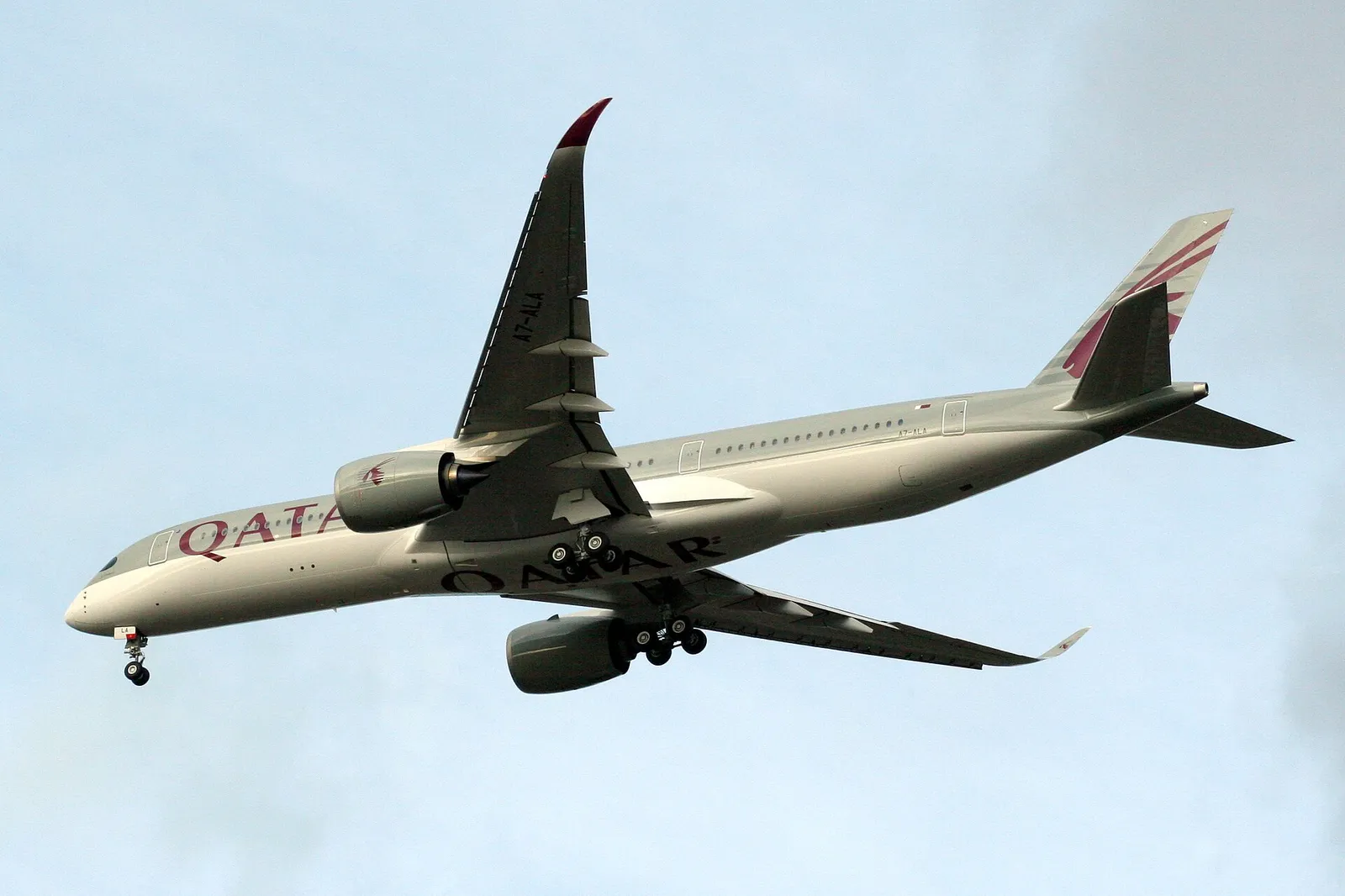
The order is about fleet renewal. SAS flies a small long-haul fleet — around eight older A330-300s and six A350-900s — and replacing the oldest jets with new ones cuts fuel burn and emissions and modernizes the cabin. Pairing the efficient A330neo for thinner routes with the bigger A350 for dense intercontinental flights lets the airline match the right plane to each market.
Staying all-Airbus also avoids the cost and complexity of training crews and building support for a second aircraft family — a sensible move for an airline still rebuilding.
A turnaround in the air
The bigger story is SAS's comeback. The flag carrier of Sweden, Denmark and Norway went through a Chapter 11 bankruptcy restructuring and emerged in 2024 with new backers — including Air France-KLM, which took a stake — and switched alliances from Star Alliance to SkyTeam, pulling it into Air France-KLM's orbit and feeding traffic through partner hubs. Committing billions to new long-haul jets is the clearest sign yet that management believes the worst is behind it.
The industry backdrop
The timing fits a broader widebody boom. With long-haul travel fully recovered, airlines worldwide are renewing aging fleets with fuel-efficient twins, and Airbus's A330neo and A350 are reaping strong demand while rival Boeing works through certification and production problems on its 787 and 777X. A fresh European flag-carrier order reinforces Airbus's grip on that segment — though, like the whole industry, it faces multiyear delivery backlogs.
Why it matters
For SAS, modern long-haul jets mean lower costs and a more competitive product on transatlantic and Asian routes, where fuel economy and cabin comfort sway passengers. For Airbus, it's another marquee win. And for travelers, it's a reminder that even an airline that recently passed through bankruptcy is now investing for the next decade — a small but telling signal about the health of the long-haul market. Boursel offers no view on any stock; the takeaway is that SAS, not long ago a survival story, is again planning to grow.