This is an explainer, not investment advice.
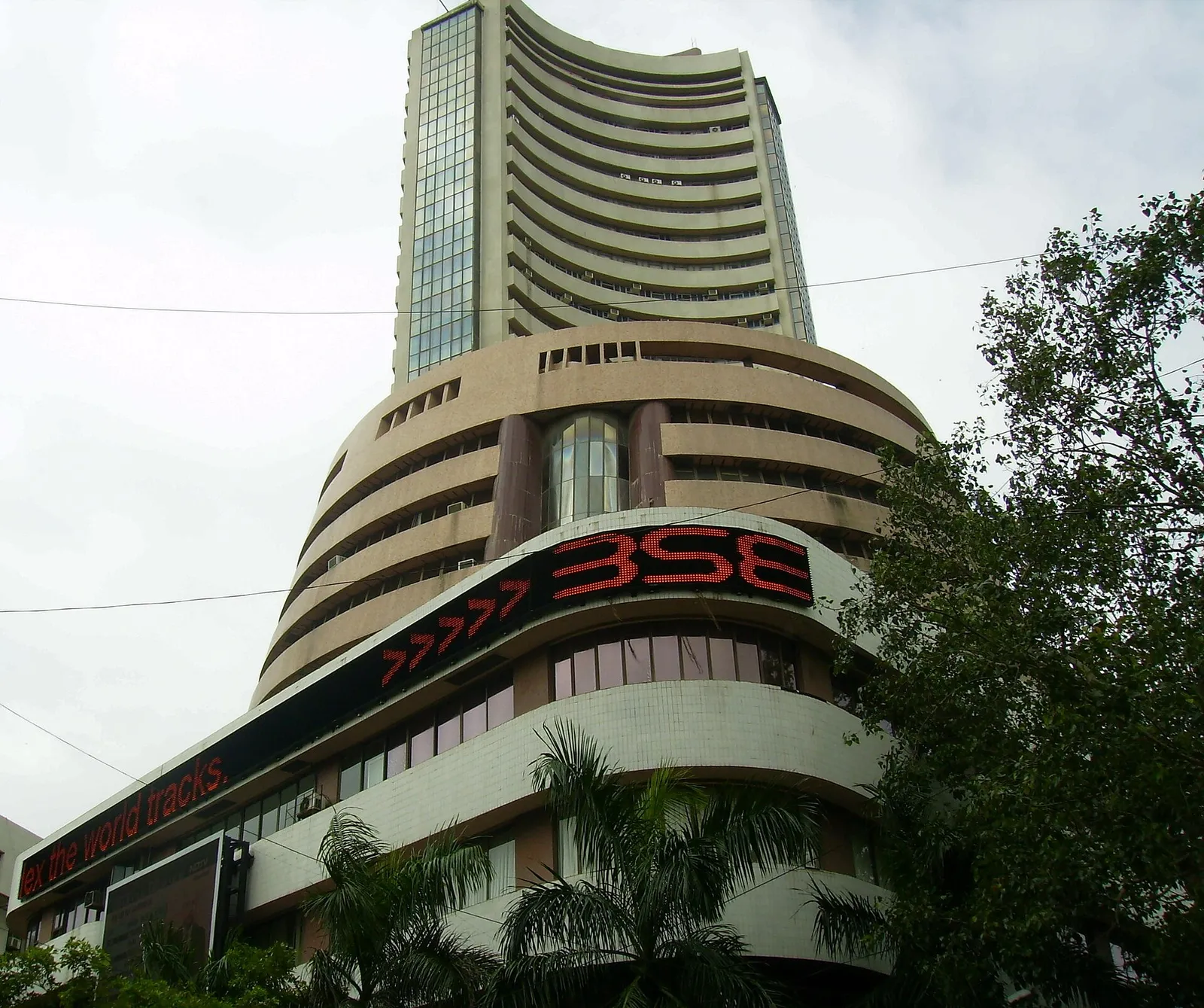
India has just had a record run of share sales, with companies raising the equivalent of roughly $20 billion or more through stock-market listings in a single year, as the BBC reported. But the headline numbers point to something bigger: a nation that, in the space of a few years, has become glued to investing in stocks.
The retail flood
The clearest measure is the explosion of demat accounts — the electronic accounts Indians use to hold shares. They've surged from a few tens of millions in 2019 to well over 190 million today, per India's securities-markets institute. Just as striking is the rise of the SIP — a Systematic Investment Plan, a standing order that drips a fixed sum into mutual funds every month. SIPs have become a mass-market habit, with monthly inflows hitting record highs, channeling steady domestic money into the market in a country where gold and property were long the default ways to save.
The new investor is young and digital. A large share of recent account-openers are under 30, and most invest through smartphone apps — brokers like Groww, Zerodha and Upstox — that stripped away the cost and hassle that once kept small investors out, reaching cities and towns traditional brokerages never bothered with.
Why it's happening
Several forces line up at once: rising incomes and a young population; cheap smartphones and data; slick, low-cost investing apps; disappointment with the returns on bank deposits; and the powerful pull of strong past market gains drawing more people in. Financial inclusion has been a genuine success story — millions who never owned a financial asset now do.
The shadows
But there's a hard edge to the boom, and it deserves equal billing. India's regulator, SEBI, has repeatedly warned that the vast majority of retail traders lose money in the high-risk futures-and-options (derivatives) market — its studies have found that roughly 9 in 10 such traders end up in the red, with aggregate losses running into the billions of dollars. SEBI has tightened the rules — raising the cost of trading and curbing some short-dated contracts — to cool the speculative frenzy among small traders.
Valuations are another worry. By several measures India's market looks expensive by its own historical standards, especially in smaller stocks — which means inexperienced investors buying near the highs could be hurt if sentiment turns. And the domestic enthusiasm has coincided with heavy selling by foreign investors, who pulled large sums out over the past year, citing rich valuations and uneven corporate earnings. (Figures here are directional and drawn from market data and regulators; treat precise numbers as estimates.)
Why it matters
India's retail boom has deepened its capital markets in a durable way. A flood of steady domestic money — those monthly SIPs especially — gives the market a home-grown buffer when foreign investors head for the exits, something many emerging markets lack. That's a real strength.
The flip side is concentration risk: a market leaning ever more on first-time investors during a period of stretched valuations, with many of them extrapolating recent gains far into the future. The story of India's stock-market love affair is genuinely one of inclusion and modernization — but also one regulators are watching nervously, precisely because so many newcomers have never seen what a sustained downturn feels like. Boursel offers no view on Indian shares or any security; the durable point is that how a billion-plus people save is changing — and the stock market now sits closer to the center of Indian financial life than ever before.