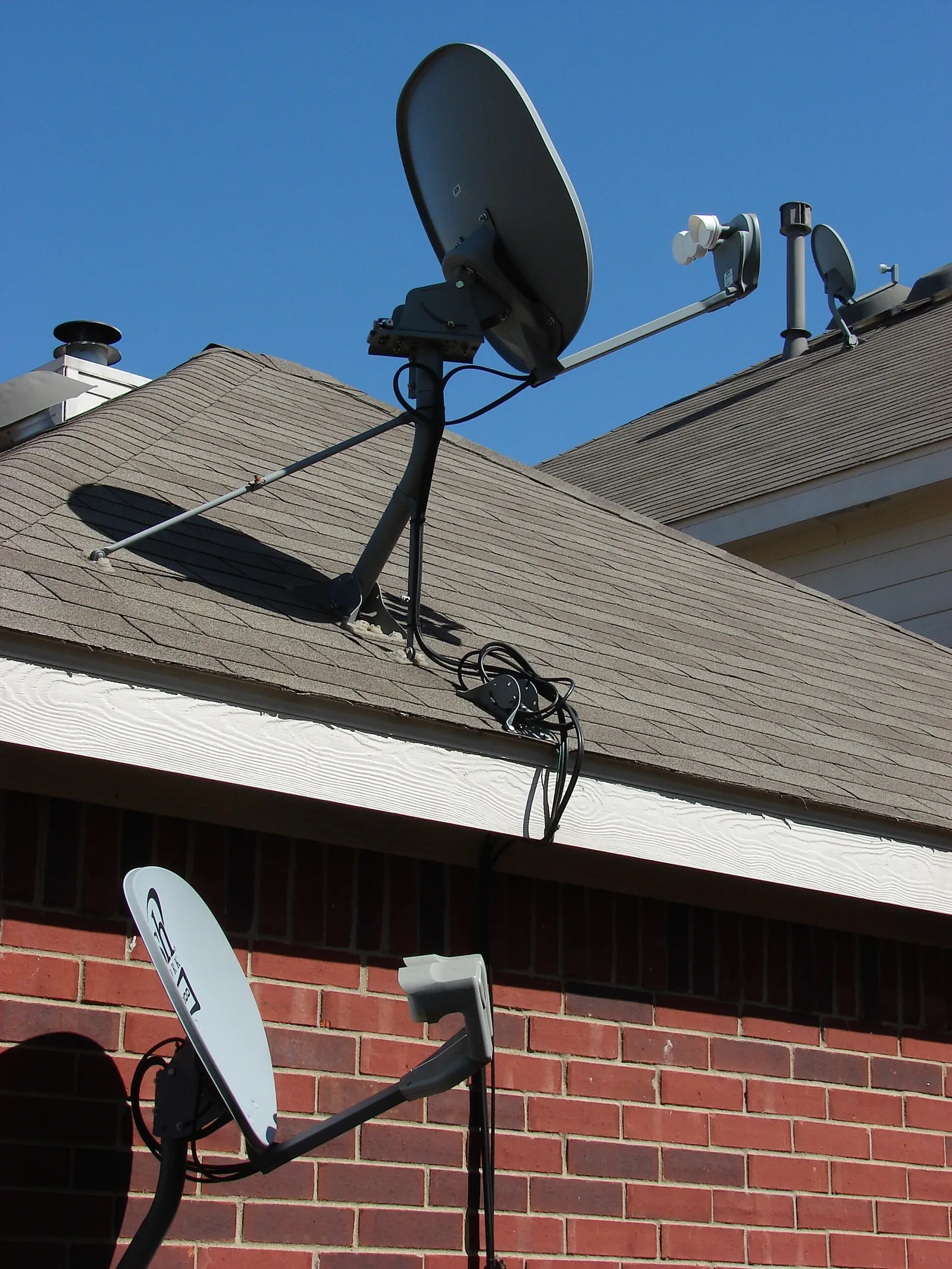
A pillar of the satellite-TV era is restructuring in court. Dish DBS — the satellite pay-TV business of EchoStar, the company controlled by Charlie Ergen — is moving into Chapter 11 bankruptcy to restructure roughly $10 billion of debt, according to reports and the company's own filings. It is less a sudden collapse than a pre-negotiated reorganization: a deal already backed by most of Dish's creditors.
What's happening
The trigger is on the record. On June 2, Dish DBS skipped about $183 million in interest due on its notes, starting the 30-day grace periods that typically precede a filing, EchoStar disclosed in a securities filing. Rather than a disorderly default, the Chapter 11 is designed to execute a restructuring support agreement (RSA) struck in March with noteholders representing more than 82% of Dish DBS's debt — an unusually high level of buy-in that points to a relatively orderly, "pre-packaged-style" process. The plan contemplates roughly $6.5 billion of debt paydown through 2026, according to debt-research firm Octus. (The filing itself is per reports; the missed payment and the creditor deal are confirmed in EchoStar's disclosures.)
Chapter 11 lets a company keep operating while it rewrites its debts under court protection — distinct from liquidation. So for DISH and Sling TV customers, service is expected to continue as normal.
Why Dish ran out of road
Three forces converged:
- Cord-cutting. Satellite and cable TV have shed millions of subscribers to streaming. EchoStar reportedly lost around 177,000 net subscribers in the first quarter alone — a relentless bleed that has hollowed out the cash flow that once serviced Dish's debt.
- A costly wireless bet. Ergen has spent heavily trying to build a 5G wireless network (Boost Mobile) on valuable airwaves, and clashed with the Federal Communications Commission over whether he was meeting buildout obligations — pouring cash into the future while the legacy TV business shrank.
- The debt itself. Years of losses left the satellite unit unable to carry its ~$10 billion of legacy liabilities; EchoStar overall sits on roughly $25 billion of debt.
The bigger play
The bankruptcy looks like a deliberate move to wall off the dying pay-TV debt from EchoStar's wireless ambitions — restructuring Dish DBS's obligations while the parent pivots to spectrum and 5G. Tellingly, EchoStar has been cashing in its airwaves: it agreed to sell spectrum licenses to AT&T for about $22.65 billion and to SpaceX for roughly $17 billion, with proceeds earmarked for cutting debt. In other words, the value increasingly sits in Ergen's spectrum, not his satellites.
Why it matters
For creditors, a court process locks in the agreed haircuts and cleans up nearly two years of litigation. For EchoStar's strategy, it isolates the legacy drag and frees management to focus on wireless and spectrum monetization. And for the industry, it's a milestone: a one-time pay-TV giant formally restructuring in bankruptcy is the starkest sign yet of how far linear television has fallen in the streaming age. Boursel offers no view on EchoStar's securities; the takeaway is that the satellite-TV business that defined a generation of American living rooms is now worth less than the airwaves the company is selling out from under it.