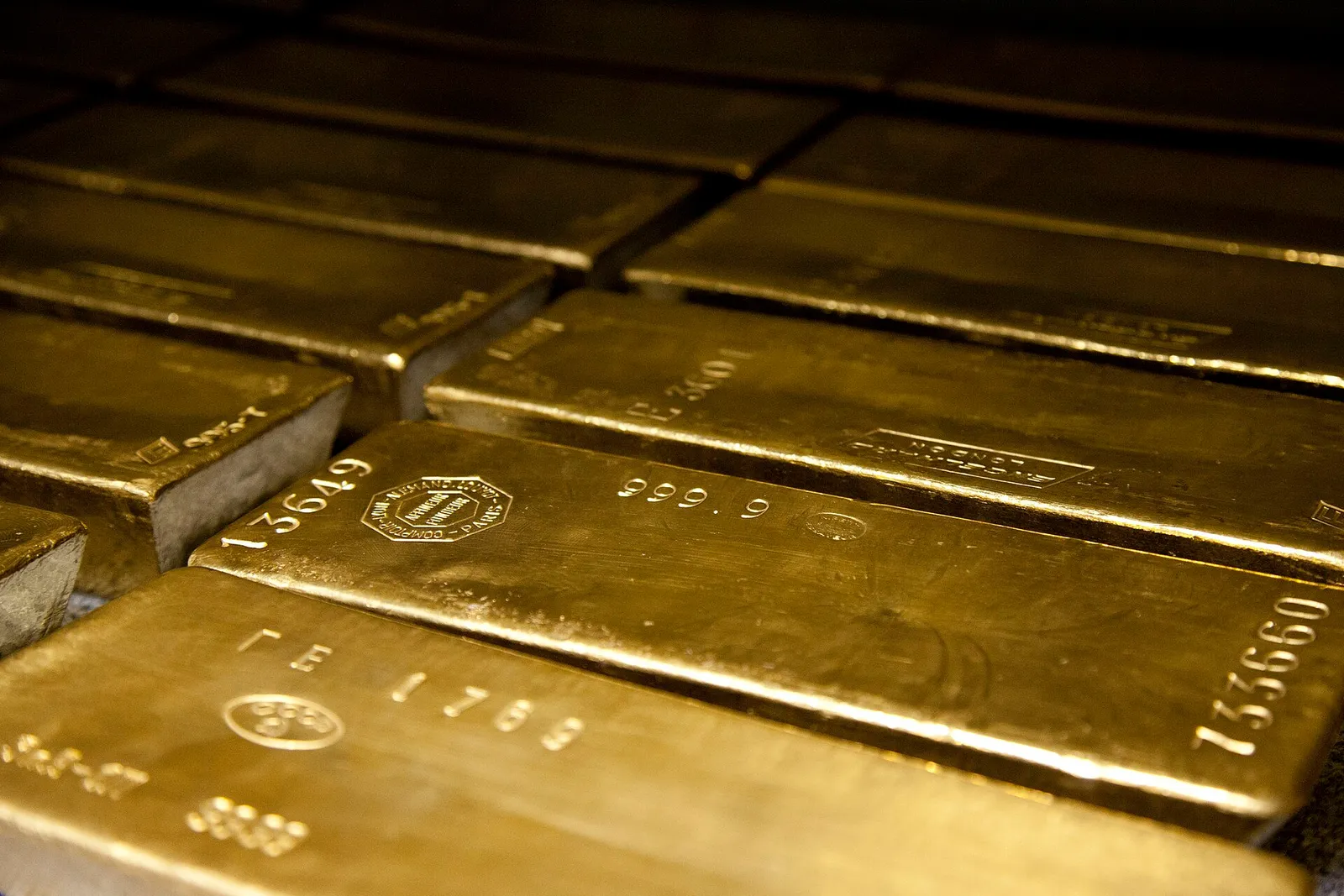
Gold's reputation as a haven is being tested in both directions at once.
The move
Spot gold traded back above $4,000 an ounce on June 25, around $4,009–$4,031 through the session, after slipping under that mark a day earlier, according to CNBC. The rebound came as a weaker U.S. dollar and lower Treasury yields lent support following a U.S. inflation (PCE) reading that landed broadly in line with expectations. Even so, gold sits well below its early-2026 record, and some analysts see room for it to drift lower from here, per Seeking Alpha.
Why gold ran — and why it's wobbling
Gold's surge over the past year drew on a familiar mix: safe-haven demand during the Iran war, heavy buying by central banks, a softer dollar, and strong inflows into gold-backed funds. The conflict's energy and inflation shock sent the metal to records.
Two of those props have since weakened. With a ceasefire holding and Strait of Hormuz shipping resuming, the war "risk premium" that lifted gold has begun to deflate — the same unwind that pulled oil back toward pre-war levels. And the Federal Reserve has signaled it is in no hurry to cut interest rates while inflation runs above target. That matters because gold pays no interest: when rates and real bond yields are higher, the opportunity cost of holding it rises, a headwind for the price.
The bull and bear cases
Here the analysts split, and we report the debate rather than pick a side. Bears argue that if the war premium fully unwinds and real yields climb, gold could slide further; several major banks have trimmed their price targets in recent weeks. Bulls counter that the structural bid is intact: central banks — led by China — have kept buying through the pullback, and that steady official demand acts as a floor under the price. We don't make forecasts; the point is that gold's next move hinges on two tug-of-war forces — receding geopolitical fear and a cautious Fed pulling one way, persistent central-bank and investor demand pulling the other.
What it means
For investors, the $4,000 line has flipped roles: once a ceiling on gold's way up, it now acts as a contested floor. Gold has still outpaced most asset classes over the past year, but the easy, one-way momentum of its record run has given way to a choppier, two-sided market. The near-term path depends on whether the Iran de-escalation sticks and how quickly inflation cools enough for the Fed to ease — both of which remain uncertain. As always, this is market analysis, not investment advice.