Tether, the issuer of the world's most-used stablecoin, is putting one of the largest corporate gold hoards on the planet to work. The company is partnering with crypto lender Ledn to let holders of its gold token borrow against it, CoinDesk reported — a step that turns idle bullion into a source of lending revenue.
What Tether is
A stablecoin is a digital token pegged one-to-one to a currency, usually the U.S. dollar, and used across crypto markets as a kind of settlement cash. Tether issues USDT, the biggest of them all. Its business is simple and lucrative: it takes in dollars, issues tokens, and earns interest by parking the reserves in assets like U.S. Treasury bills.
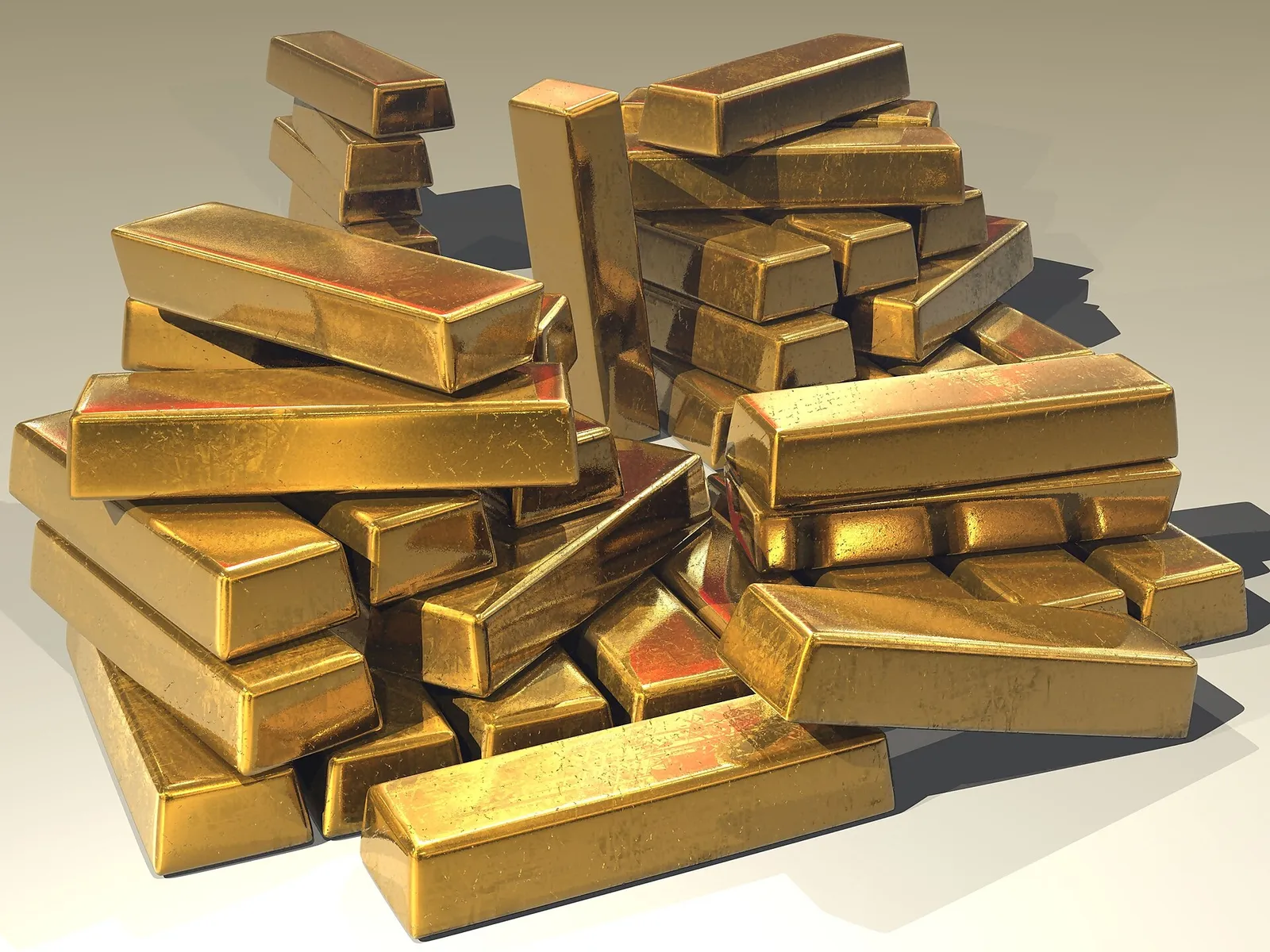
Alongside that dollar business, Tether has quietly become a major gold buyer. It holds roughly 140 metric tons of physical bullion — worth about $23 billion — stored in vaults in Switzerland, CoinDesk reported. It also issues a separate gold-backed token, Tether Gold (ticker XAUT), where each token represents one troy ounce of that vaulted gold.
What "putting gold to work" means
Until now, much of the metal has simply sat in the vault, generating no return. The new plan, run with Ledn, lets XAUT holders borrow against their tokens — pledging the gold as collateral to receive liquid cash (in stablecoins) without selling it. The borrower keeps exposure to gold's price; the lender holds the token as security.
"As digital assets become an increasingly important part of the global economy, demand is growing for solutions that combine long-term ownership with financial flexibility," Tether chief executive Paolo Ardoino said, per CoinDesk. The companies said the client collateral "continues to be held 1:1, without being lent out or used to generate yield" — a structure meant to reassure borrowers their gold is not being re-lent behind the scenes. Borrowing against XAUT is expected to go live later this year; the loan terms and rates were not disclosed.
Tether is building out the wider plumbing too: CoinDesk noted it has invested in the precious-metals marketplace Gold.com and partnered with the crypto-financing firm Antalpha to expand XAUT's use in lending and physical redemption.
Why now
The logic is straightforward. Gold has had a powerful run, so the stockpile is worth far more than it cost. Diversifying into gold and gold finance also reduces Tether's reliance on the interest it earns from Treasuries — income that would shrink if U.S. rates fall. And demand for "tokenized" real-world assets, which put traditional holdings like bonds and bullion onto a blockchain, has been growing as institutions look for programmable exposure.
The scrutiny that follows Tether
No story about Tether is complete without its history with regulators. In 2021 the U.S. Commodity Futures Trading Commission fined the company $41 million for misleading statements about whether USDT was fully backed in earlier years. Tether has long published periodic attestations — point-in-time snapshots of its reserves — rather than full audits, which critics say leaves open questions about exactly what backs its tokens between snapshots. The company moved to address that in March 2026, hiring KPMG for a full audit of its USDT reserves and bringing in PwC ahead of a planned U.S. expansion; that work is ongoing.
For now, the gold push marks an ambitious turn: a crypto company that began by tokenizing the dollar is increasingly trying to do the same for gold — and to build a lending business around it.