The order books tell the story before any analysis does. GE Vernova reported 116 gigawatts of backlog and slot reservations in the second quarter, of which 53 gigawatts is firm equipment backlog and 63 gigawatts is reservations, and expects 125 gigawatts under contract by December. Siemens Energy has 69 gigawatts and lead times beyond three years. Mitsubishi Heavy Industries has 35 gigawatts, with orders taken this quarter scheduled for delivery between 2028 and 2030.
Chief executive Scott Strazik says GE Vernova is taking reservations for 2031 delivery and should be more than halfway contracted for that year by the end of this one.
The arithmetic of the shortage
Global orders are running at roughly 110 gigawatts a year. Worldwide manufacturing capacity is 60 to 70 gigawatts.
Second-quarter orders alone were 38 gigawatts, up 71% on a year earlier, with the United States taking half. GE Vernova is expanding from about 20 gigawatts annualised now to 24 by 2028 and 30 by 2030, which is a substantial industrial commitment and still leaves the industry short against current demand.
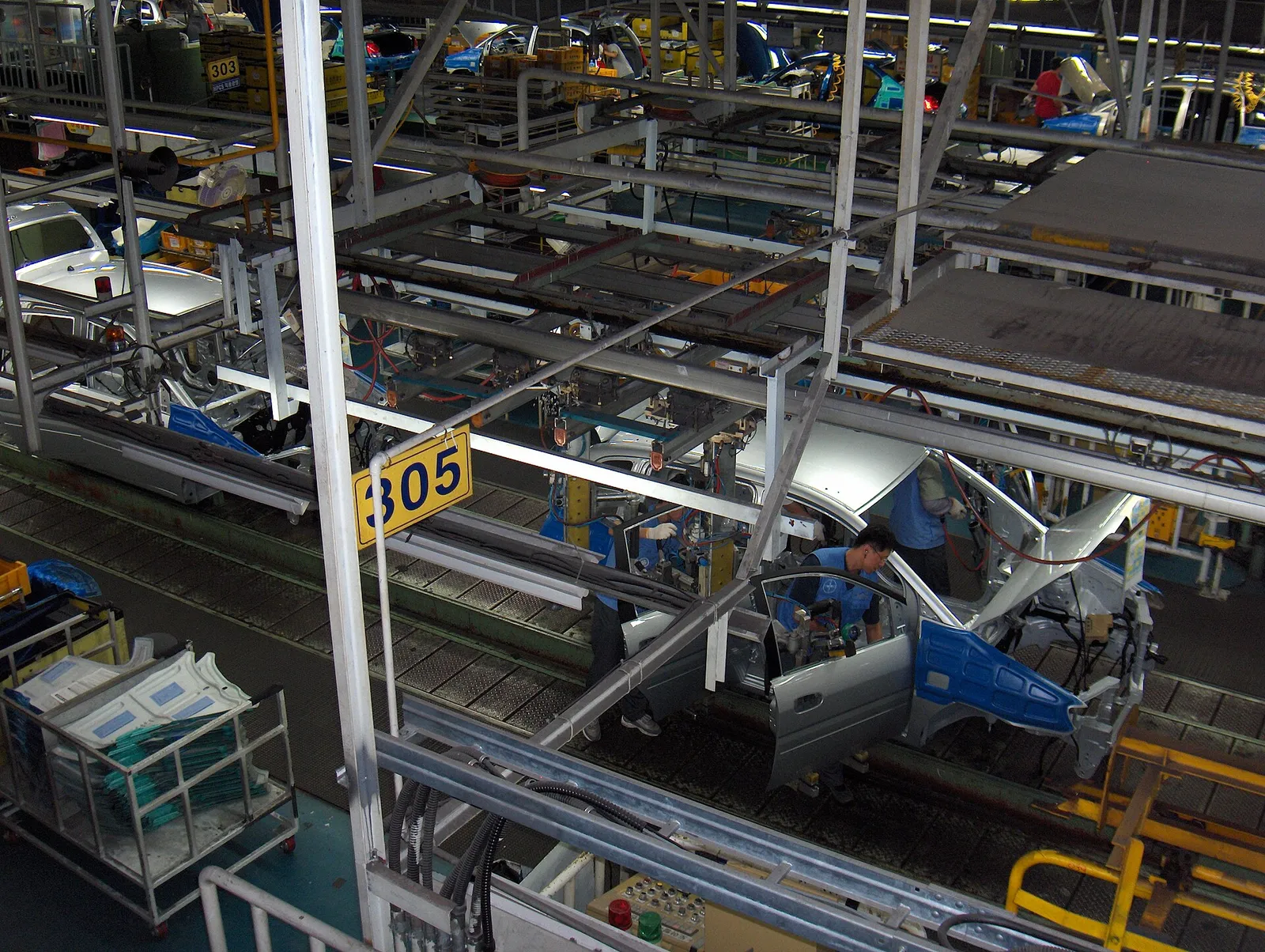
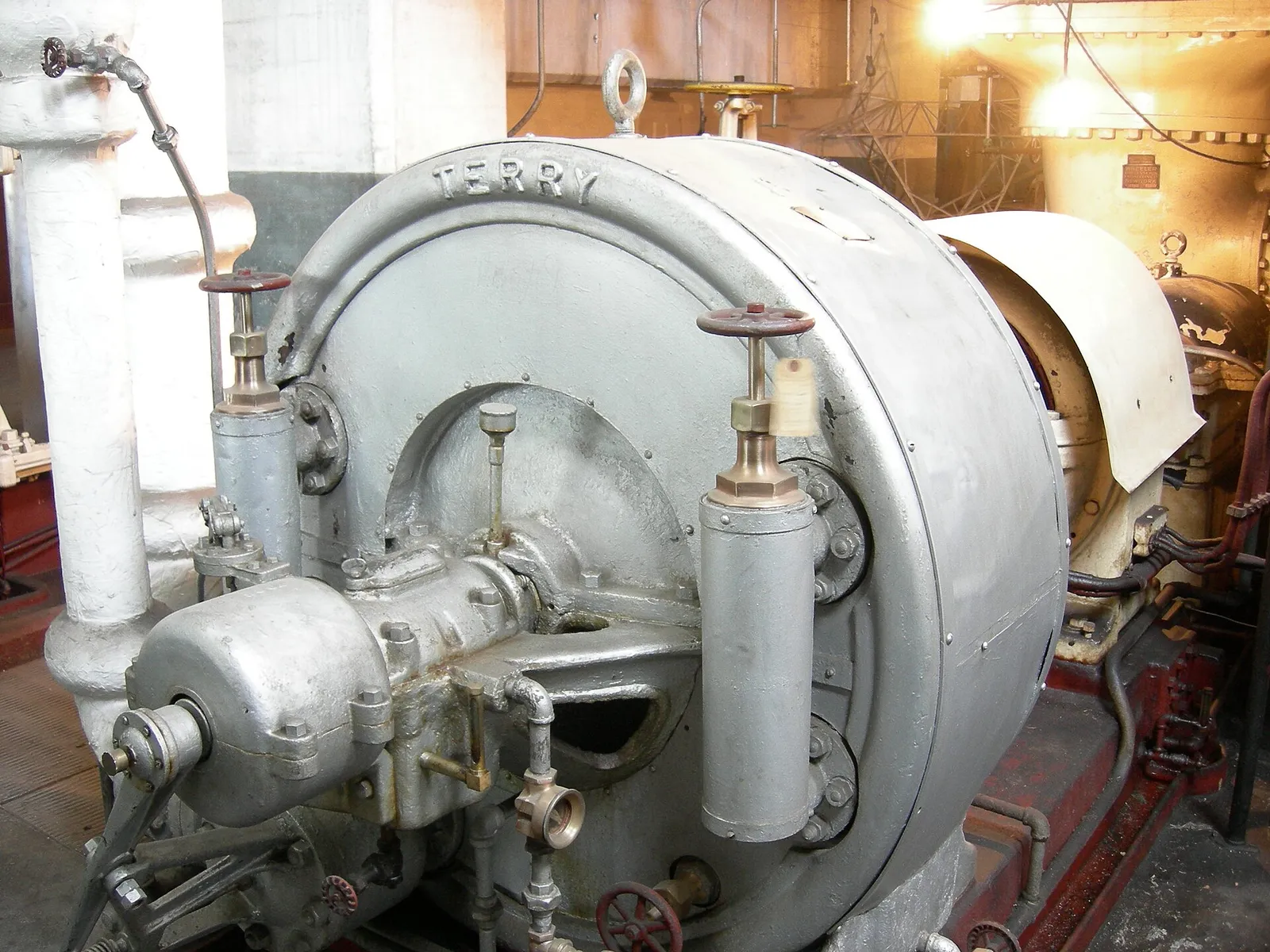
Turbine manufacturing is not a business that scales quickly. The forgings, castings and specialist alloys behind a heavy-duty frame come from a small number of suppliers, the machining tolerances are extreme, and the workforce takes years to train. Some heavy-duty frames now carry seven-year lead times.
What it costs
Prices have moved accordingly. BloombergNEF put the 2025 average combined-cycle project at $2,157 per kilowatt, against under $1,500 in 2023. Projects completing in 2026 and 2027, which were contracted earlier, come in at $1,116 to $1,427 per kilowatt on GridLab's figures, while 2030 and 2031 projects routinely exceed $2,000. Wood Mackenzie expects turbine prices alone to reach $600 per kilowatt by the end of 2027, a 195% increase on 2019.
GE Vernova's first-half orders were priced more than 20% above its fourth-quarter 2025 orders. Combined-cycle plant construction has stretched from about three and a half years in 2023 to roughly five now.
What it means for data centers
Goldman Sachs projects data-center power demand rising from 31 gigawatts in 2025 to 41 in 2026 and 66 in 2027, which would take data centers from 4.1% of US peak summer demand to 8.5%. Scheduled capacity additions for 2027 are 36.3 gigawatts.
The clearest signal came from PJM's capacity auction on July 14, for 2028-29 delivery. It cleared at $325 per megawatt-day, which is the FERC price cap, and procured 138,318 megawatts, leaving a shortfall of 6,831 megawatts against the reliability requirement. Only 525 megawatts of new generation cleared. Modelling without the cap put the clearing price at $554.72, and $776.69 in the ComEd zone.
An auction that hits its cap and still comes up short is a market telling you it cannot procure what is being asked of it at any price the rules permit.
The part that cuts the other way
This is where the story becomes more interesting than a straightforward shortage, and it is the counterweight to everything published this week about AI capital commitments.
Exelon disclosed on July 30 that it had cut its "high probability" data-center load from about 18 gigawatts to about 11, a 40% reduction, and that its broader interconnection pipeline fell from 43 gigawatts to 25 in a single quarter. Only about 4 gigawatts has signed transmission service agreements backed by $1 billion of collateral. Chief financial officer Jeanne Jones said the utility now weeds out speculative projects, which gives it "proactive insight into what is real".
In Texas, data-center interconnection requests reached roughly 474 gigawatts, about 90% of the queue, and ERCOT suspended its Batch Zero large-load process, which BloombergNEF estimates puts nearly 50 gigawatts at risk of delay.
Goldman's own working assumption is that only 50% to 60% of data-center capacity scheduled over the next two years actually arrives on time.
How to hold both facts
Turbines are genuinely scarce and getting more expensive, and a large share of the demand queued behind them is speculative.
Both are consistent, because the queue is free to join and expensive to leave. Developers file interconnection requests at many sites to preserve optionality, and the utility cannot tell which are real until money is posted. Exelon's collateral test is the industry beginning to distinguish the two, and the answer so far is that roughly a quarter of what looked probable is contracted.
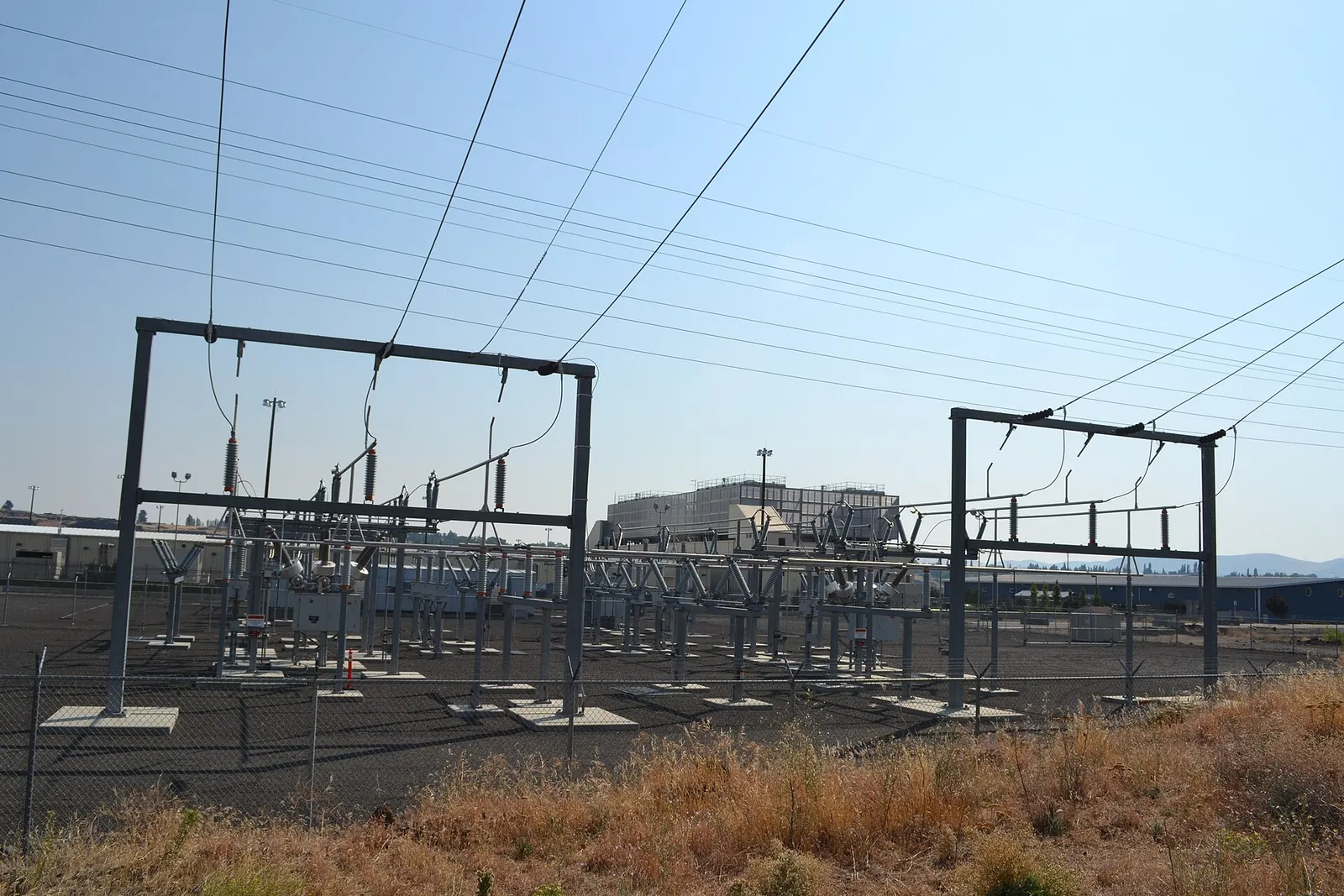
For anyone reading the $3 trillion of AI commitments disclosed in filings, this is the physical check on it. The chips can be bought faster than the buildings, the buildings faster than the grid connection, and the grid connection faster than the turbine. Somewhere in that sequence, plans meet the delivery schedule of heavy industry, and heavy industry is currently quoting 2031.